
Related videos:
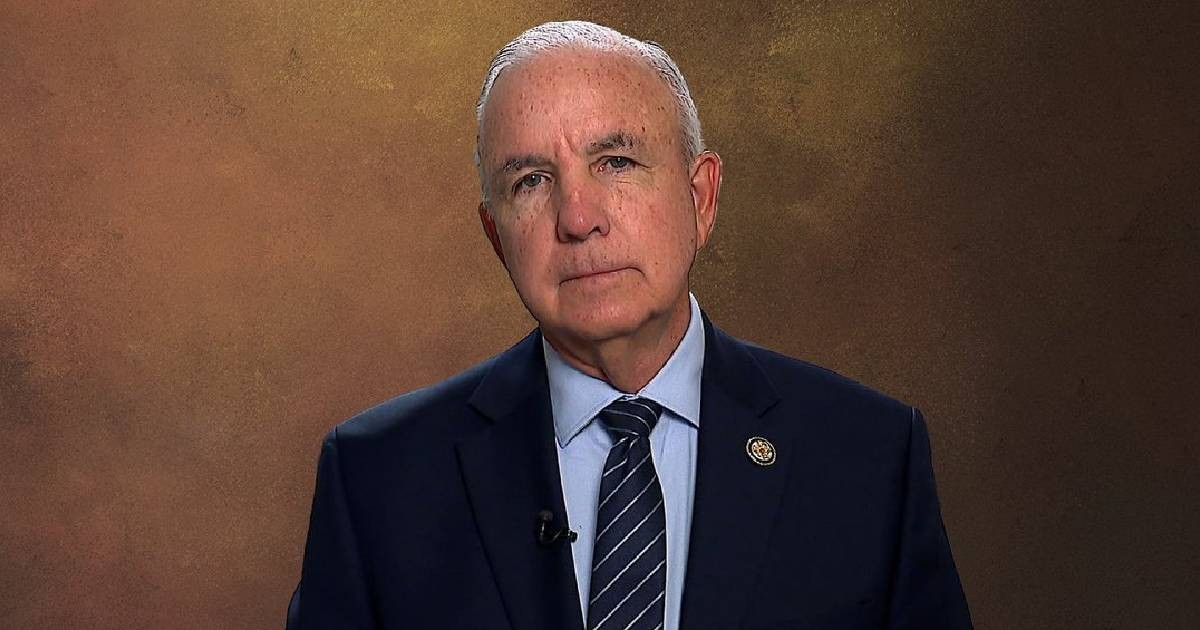
The Republican representative Carlos Giménez attacked on Tuesday senators from his own party who oppose a military operation against Cuba, accusing them of never having spoken with President Trump about the issue and of not showing willingness to support the Cuban people.
Giménez's reaction came in response to an article from The Hill that revealed warnings from several Republican senators against ordering military strikes on the regime, arguing that the armed forces are already overwhelmed with the war in Iran.
"I understand that THESE Senate Republicans have NEVER spoken to the President about Cuba," Giménez wrote on his X account.
"Upon reflection, they have never shown much willingness to side with the Cuban people," he added.
The congressman, born in Cuba and the only member of Congress with that background, firmly defended the administration's policy: "President Trump and Secretary Marco Rubio have done so much to weaken the regime in Cuba, and we are proud to work together and support their efforts to do even more."
Among the senators who expressed their opposition to military action is the Senate Majority Leader, John Thune, who stated that the priority is to "open the Strait of Hormuz" and prefers that regime change in Cuba occurs "organically" through economic pressure.
"I would love to see a change of regime, we would all love to, in Cuba," Thune stated. "Perhaps that will happen due to the force of events. Maybe something will occur organically."
Senator James Lankford, vice president of the Senate Republican Conference, was more straightforward: "No, I would not support" a military operation, noting that "there is a lot of economic pressure that can be exerted on Cuba that alone makes a big difference."
The chairwoman of the Appropriations Committee, Susan Collins, responded with a brief "no" when asked if she would support a military operation, while Senator Rand Paul warned that it would be "a mistake" and stated that he has spoken with the Cuban ambassador, who indicated to him that the island is "open to negotiations" and "U.S. investment."
The senator Shelley Moore Capito downplayed the possibility: "It's very low on the list, if it's even on any list. I think we need to focus on what's happening in Iran."
The debate comes at a time of sustained escalation in Trump's policy towards Cuba. In early May, the president stated that the U.S. would take control of the island "almost immediately" and suggested deploying an aircraft carrier off its shores, while the Navy and Air Force have intensified reconnaissance flights in the area.
On April 29, the Senate failed a Democratic resolution under the War Powers Act aimed at limiting Trump's authority over Cuba, with a vote of 51 to 47. Only Collins and Paul voted with the Democrats at that time, but now several senators who blocked that resolution are publicly expressing their opposition to military action, which exacerbates the internal tension within the Republican Party as pointed out by Giménez.
Since January 2026, the Trump administration has imposed more than 240 new sanctions against the Cuban regime, including an energy embargo that reduced the island's oil imports by 80% to 90%.
Filed under: