
Related videos:
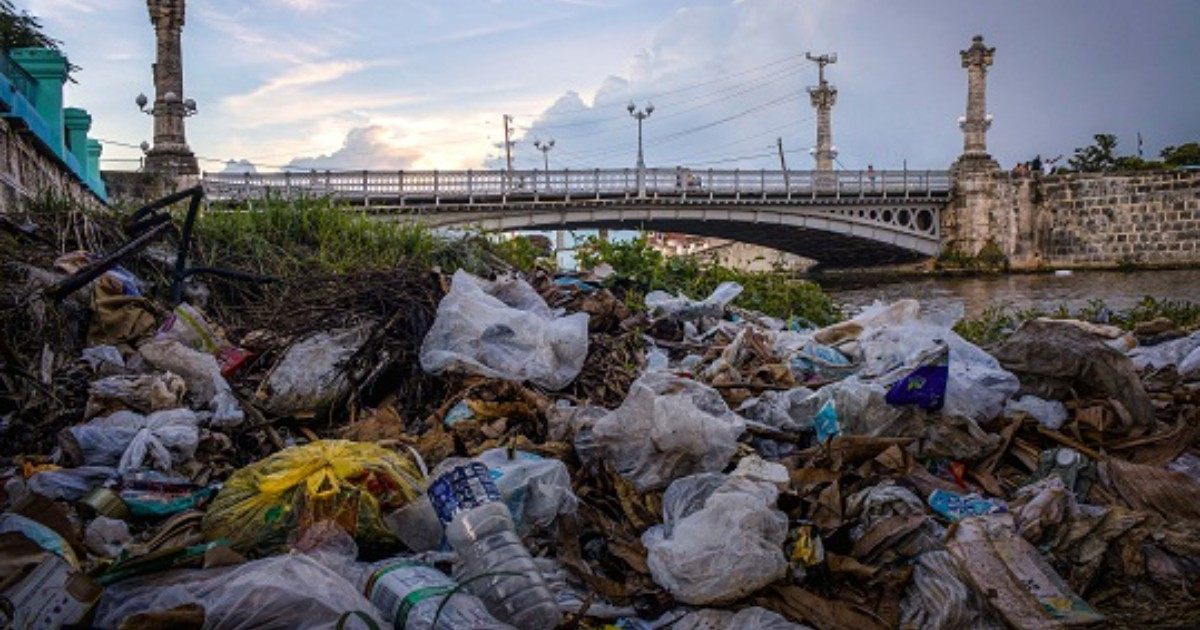
The Periódico Girón, the official organ of the Communist Party of Cuba in Matanzas, published a photo report yesterday that starkly documents the severe accumulation of garbage in the city streets, warning that the crisis has ceased to be merely an aesthetic issue and has turned into a serious health threat to its inhabitants.
That an official media outlet depicts the urban deterioration with this level of detail represents an unusual break from the typical discourse of the Cuban state press, which tends to minimize or silence these realities. Two days earlier, the same Girón had published another related article, "While Garbage Grows...", in which he pointed out that the Municipal Communal Enterprise lacks fuel to collect waste as often as minimally required.
"In Matanzas, trash has ceased to be a mere landscape and has become a serious health warning. With the arrival of the rainy season, every dump turns into a breeding ground for mosquitoes, rodents, and bacteria capable of spreading diseases that are now showing signs of increase, such as hepatitis, which is favored by contaminated environments and deteriorating hygienic conditions," the report warns.
The photographs by Raúl Navarro González depict enormous accumulations of plastic bags, bottles, cardboard, and decomposing materials alongside channels, rivers, and streets of the city, contrasting with the historical colonial infrastructure in the background. The critical areas identified include the intersection of Salamanca and San Carlos streets, Vía Blanca, Paseo de Martí, and the heights near the Eliseo Noel Camaño Pediatric Hospital.
The official media also documents the trash fires occurring in the public streets, described as "an increasingly frequent civic response" that releases toxic fumes and worsens air pollution. One reader summarized the phenomenon in the comments section of the article: "Setting fire to trash has become the people's rebellious way of reacting to the negligence, abandonment, and apathy of those who are responsible for ensuring the hygiene and health of the city."
El Girón also warns that "the rain carries pollution into drains, rivers, and the bay, damaging ecosystems and jeopardizing vital resources for the city," making the onset of the rainy season a factor that increases risk.
The crisis is not new. In April 2026, a viral photograph showed an improvised landfill that practically occupied the entire intersection of Levante and Solís streets. A resident described the situation at that time: "It is disgusting and terrifying; there has been no garbage collection for almost a month, and it is a place where rodents and flies thrive."
That same month, health authorities issued a provincial alert for hepatitis A in the municipalities of Matanzas, Cárdenas, and Versalles. In October 2025, the Eliseo Noel Camaño Pediatric Hospital operated with its 75 beds fully occupied due to arboviruses —dengue, chikungunya, and zika— and over 70% of the population in municipalities such as Perico and Cárdenas was affected by these diseases that year.
The problem is national. In Havana, only 44 out of 106 garbage trucks were operational in February 2026 due to a lack of diesel, while the capital generates between 24,000 and 30,000 cubic meters of waste daily with only 10,000 containers available.
El Girón concluded its report with a warning that could hardly be published without acknowledging the regime's failure: "What is at stake is no longer just the image of Matanzas, but the health and future of those who inhabit it."
Filed under: