
Related videos:
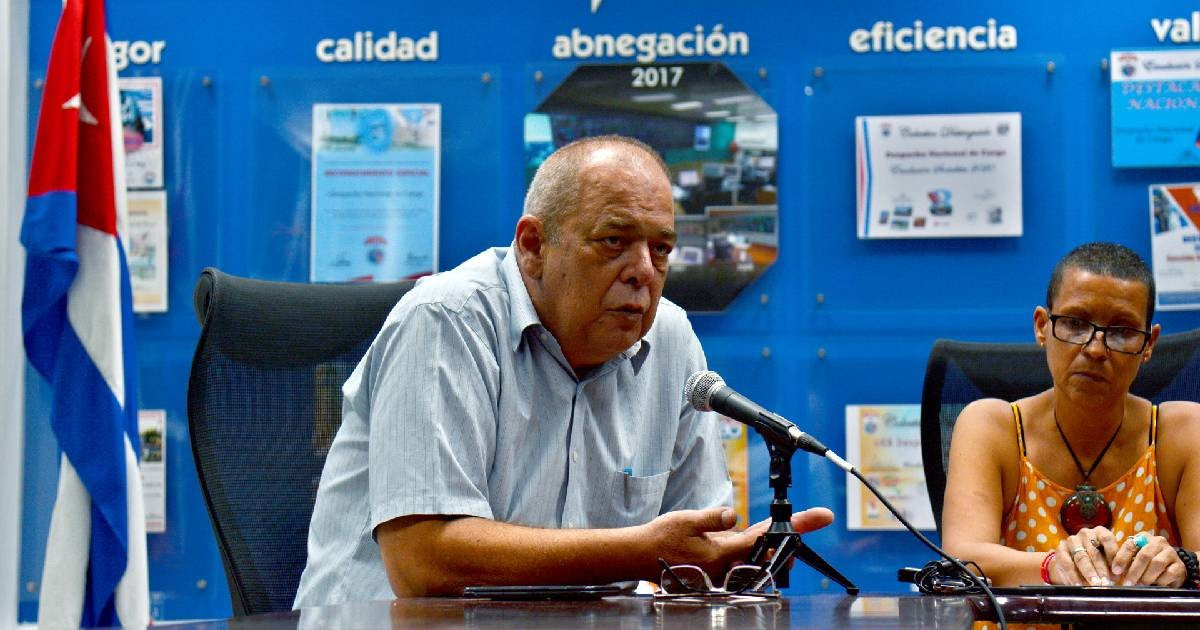
The Minister of Energy and Mines of Cuba, Vicente de la O Levy, acknowledged yesterday to the press the deep public discontent over the blackouts wreaking havoc on the island, in a conference in which he described the electrical situation as "so acute, critical, in which we are living."
"We know there is discontent due to the blackouts," stated De la O Levy, adding that "no electrical system is designed to cause blackouts," in what constituted one of the most direct admissions by the regime regarding the impact of the crisis on the population.
According to the official site Cubadebate, the minister described the immediate cause of the escalation: from December 2025 until a few weeks ago, Cuba received not a single ship with fuel.
The only exception was a donation of 100,000 tons of crude oil —about 730,000 barrels— sent by Russia, which arrived at the end of March aboard the tanker Anatoli Kolodkin.
That shipment provided a temporary improvement, with several days without blackouts in Havana, but it ran out at the end of April and the beginning of May.
"That happened nearly four months after no fuel ship has entered Cuba," the headline emphasized, highlighting the extent of the shortage.
At the time of the appearance, the system was operating with no fuel reserves, with rising temperatures and increasing electricity demand due to summer.
"The situation is very tense. The heat continues to rise. We need fuel. Private sources are bringing in fuel, but the volumes are not sufficient," De la O Levy warned.
In Havana, the province with the most protected circuits in the country, blackouts lasted between 20 and 22 hours a day with only two hours of electricity.
The projected deficit for the peak nighttime load on Wednesday exceeded 2,000 MW, with a supply of only 1,230 MW against a demand of 3,250 MW.
The critical deterioration of infrastructure adds to the fuel shortage. The Felton thermoelectric plant in Holguín was taken offline on Monday due to leaks in the boiler and a broken bearing in the regenerative air heater.
"If this continued to operate like this, it would completely damage the unit," explained the minister to justify the shutdown of the plant.
The Antonio Guiteras thermoelectric plant, the largest in the country, recorded its eighth outage of the year on May 5, accumulating extreme deterioration after 38 years of operation without capital maintenance.
The minister attributed the root of the crisis to the "stifling energy blockade" by the United States, although the data he provided indicates decades of neglect of the infrastructure and interruptions in supplies from Venezuela —since November 2025— and from Mexico —practically since January 2026—.
Cuba produces only 40,000 barrels of oil daily but needs between 90,000 and 110,000, depending on imports to cover 60% of its needs.
The electrical system has experienced seven total collapses in 18 months, including the national blackout on March 16, 2026, which left the entire island without electricity for 29 hours and 29 minutes.
Regarding the Felton thermoelectric plant, the minister provided a note of caution: “The work is progressing; tomorrow we expect to conduct the hydraulic test of the boiler to check if all the welding was done correctly and to see if there are any leaks,” he said, warning that the subsequent startup process could take several additional hours.
Filed under: