
Related videos:
The U.S. Department of Labor published a boastful graphic this Thursday on its official X social media account under the slogan “THE TRUMP EFFECT!”, attributing to Donald Trump's administration a decrease in prices for 24 categories of goods and services, from eggs to smartphones.
The chart, created by the Council of Economic Advisors using data from the Bureau of Labor Statistics, shows year-over-year reductions led by eggs (-39.2%), smartphones (-12.4%), admission to sporting events (-10.0%), men's suits (-7.1%), and health insurance (-6.1%), among other categories.
However, the overall macroeconomic picture published by the same Bureau of Labor Statistics just two days earlier tells a very different story.
According to the official inflation data for April 2026, prices rose by 0.6% monthly, bringing the annual rate up to 3.8%, the highest since May 2023, even surpassing economists' expectations, which projected 3.7%.
The most concerning issue for American households is that, for the first time since April 2023, real wages turned negative: salaries increased by 3.6% year-on-year, while prices rose by 3.8%.
The main driver of the increase is energy, which rose by 17.9% year-on-year and accounted for 40% of the total monthly increase in the Consumer Price Index in April.
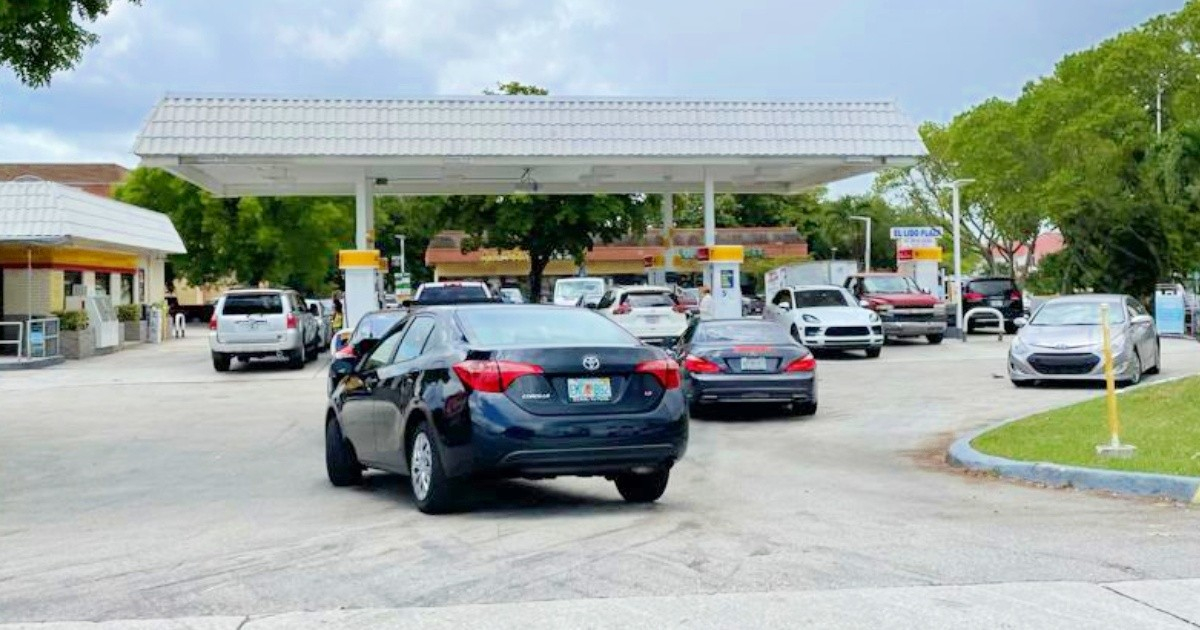
Gasoline has experienced an 18.9% year-on-year increase, while electricity rose by 2.1% in April, marking the largest monthly increase in over four years.
Food prices are also under pressure: overall food prices rose by 3.2% year-on-year, supermarket items increased by 3.6%, and tomato prices surged by more than 15% for the second consecutive month.
Independent economists point out that the government's communication strategy involves selecting specific categories with deflation while ignoring the overall picture.
The 39.2% drop in egg prices, for example, is largely due to the normalization following the avian influenza crisis of 2024-2025, rather than a government policy.
"For consumers, this means that the cost of living remains burdensome. For the Federal Reserve, it indicates that interest rate cuts are likely to be postponed further into the future," warned Sung Won Sohn, an economist at Loyola Marymount University.
Augustine Faucher, chief economist at PNC Financial Services Group, added that "consumers were already under pressure" before this new inflation spike, in a context of slowdown in the labor market and rising gasoline prices.
The energy shock has a specific origin: the attacks by the United States and Israel against Iran in late February 2026 triggered the blockage of the Strait of Hormuz, interrupting the flow of oil, fertilizers, aluminum, and helium.
Before those attacks, the inflation had moderated to 2.4%, an achievement that the Trump administration had leveraged politically.
Economist Joe Brusuelas from RSM US summed up the impact with a straightforward phrase: "The war has come home, and Americans can feel it and see it in their shopping basket."
Oliver Allen, senior economist at Pantheon Macroeconomics, sought to clarify the situation: "I believe that the situation will be uncomfortable for households in the coming months. However, it will not be a repeat of what we witnessed in 2021 and 2022, when inflation figures kept rising month after month."
The Federal Reserve, which kept its rates between 3.50% and 3.75% in March, is now facing a scenario where the anticipated cuts may be delayed indefinitely due to inflation surpassing wages and showing few signs of easing in the short term.
Filed under: