
Related videos:
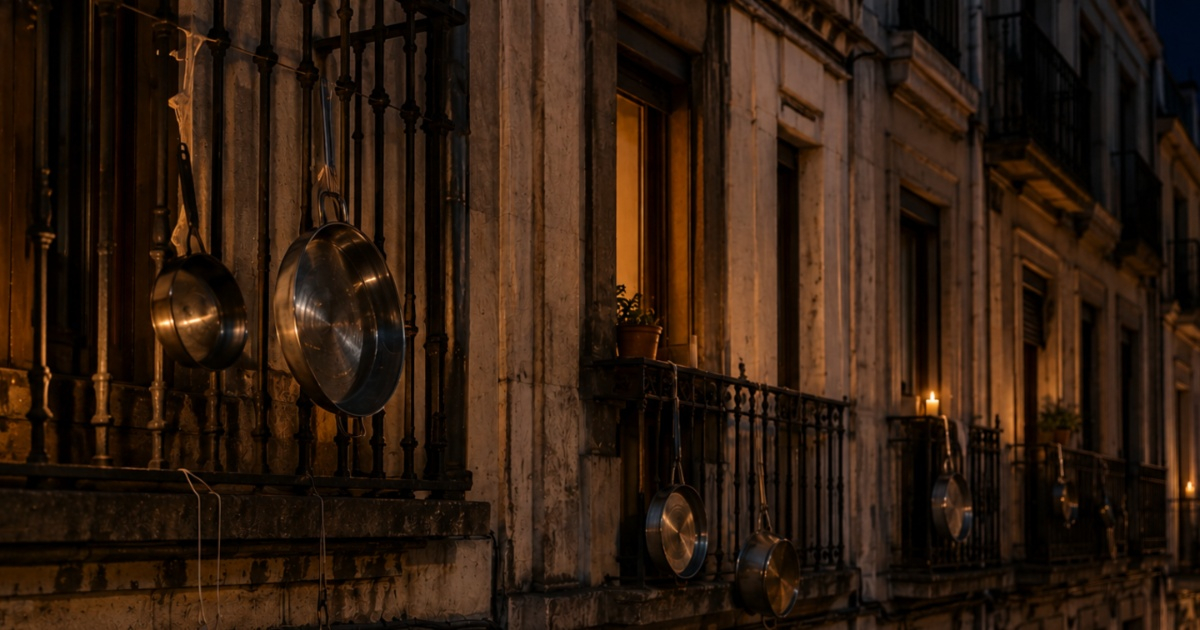
The independent journalist Yosmany Mayeta Labrada reported this Thursday new pot-banging protests in two Cuban cities: the neighborhood of Vedado, in Havana, and Reparto Portuondo, in Santiago de Cuba, where residents had been without electricity for over 12 hours.
Mayeta Labrada shared both protests in public Facebook posts. "I'm receiving reports of pot-banging in the Portuondo neighborhood of Santiago de Cuba, after more than 12 hours without electricity," she wrote in one of them. In another post, published just minutes earlier, she informed: "Pot-banging from Vedado at this hour."
The two protests add to a wave of protests involving pot banging that has been ongoing for days in various neighborhoods of Havana and other cities. Between May 12 and 13, protests were recorded in Luyanó, Reparto Bahía, Marianao, Nuevo Vedado, and San Miguel del Padrón, where residents shouted "Food and electricity!" in front of the municipal government headquarters.
The extent of the protests in Santiago de Cuba is significant: it shows that discontent is not limited to the capital and reaches the second most important city in the country. Cacerolazos had shaken Santiago de Cuba also in March 2026.
The direct trigger is the energy crisis. The Minister of Energy and Mines, Vicente de la O Levy, admitted on Wednesday that in Havana, power outages last between 20 and 22 hours daily, with only two hours of electricity. “The situation is very tense. The heat continues to rise. We need fuel,” he declared. The maximum impact on the system that day reached 2,113 MW at 8:40 PM, with only 1,230 MW available against a demand of 3,250 MW.
The minister's statements generated immediate backlash among Cubans. The citizens' response to the official included comments such as "And what is the solution? Or does the people have to keep paying for their irresponsibility?" and "But there's plenty for repression and for Canel's Mercedes and BMWs."
The crisis has structural roots. Venezuela halted oil shipments in November 2025, Mexico suspended them in January 2026, and the last Russian shipment—730,000 barrels—arrived on March 31 and was depleted by early May. In April, only one of the eight fuel ships Cuba requires monthly arrived. Díaz-Canel himself acknowledged that the situation is "particularly tense" and that the country has stopped generating 1,100 MW due to a lack of fuel.
Cuba has experienced seven total collapses of the electrical system in 18 months, the most severe on March 16, 2026, with nearly 30 hours of national blackout. The regime has responded to protests with repression: at least 14 arrests in Havana since March 6 are linked to protests with pots and pans, according to the organization Cubalex.
The Cuban Observatory of Conflicts recorded 1,133 protests just in April 2026, a 29.5% increase compared to the same month the previous year, while the UN described the situation as a humanitarian emergency.
Filed under: