
Related videos:
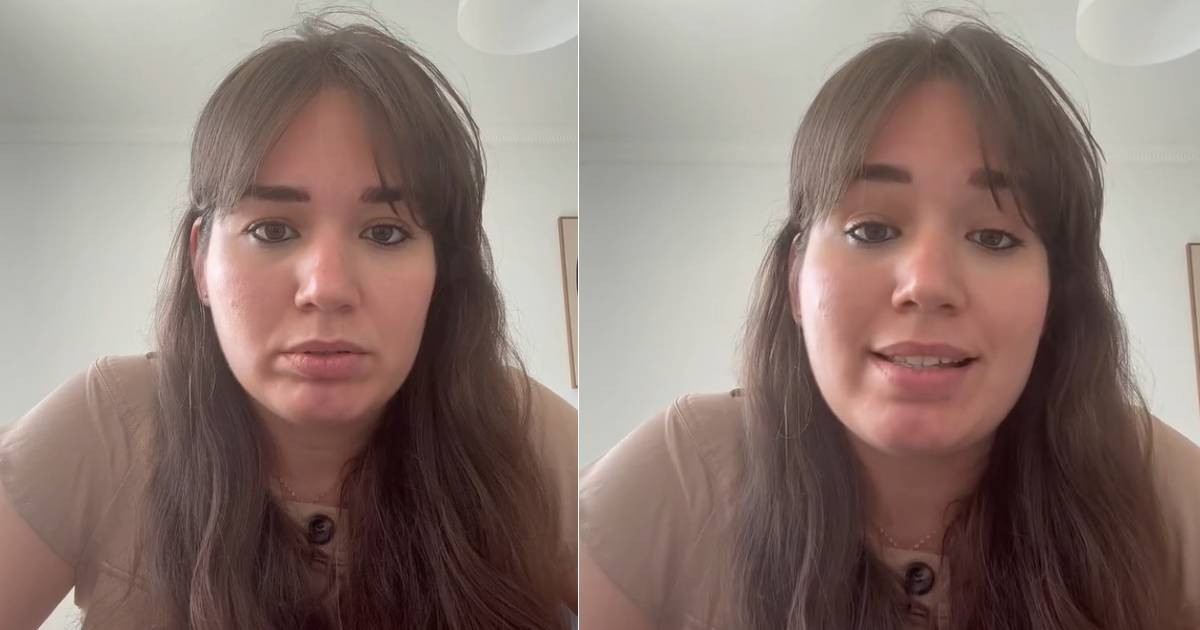
The Cuban activist Amelia Calzadilla described the official statement from the Cuban regime as "absurd" regarding the visit of CIA Director John Ratcliffe to Havana, and expressed perplexity at the conclusions drawn in two posts on her verified Facebook account.
In the first instance, Calzadilla was straightforward: "The entire statement is mocking. They say it was requested by the CIA, that an agreement was reached and they proved not to be a threat, and as if that weren't enough, they made it clear that they met with 'competent' authorities."
In a second post, hours later, he turned to philosophical irony: "After reading the conclusions of the CIA director's visit to Havana, I woke up in Socratic mode: 'I only know that I know nothing'."
The trigger was the official statement from the Communist Party of Cuba published this Thursday, in which the regime claimed that it was Washington who requested the meeting and that "the leadership of the Revolution approved the holding of this visit."
The official text stated that the exchanges "categorically demonstrated that Cuba does not constitute a threat to the national security of the U.S." and denied the existence of "foreign military or intelligence bases" on the island.
That denial is striking: the Center for Strategic and International Studies (CSIS) has identified at least 12 Chinese signals intelligence facilities in Cuba, with four main sites in Bejucal, El Wajay, Calabazar, and El Salao.
Ratcliffe met in Havana with General Lázaro Álvarez Casas, the Cuban Minister of the Interior sanctioned under the Global Magnitsky Act for serious human rights abuses, and with Brigadier General Ramón Romero Curbelo, head of the Intelligence Directorate of MININT. Also participating in the meeting was Raúl Guillermo Rodríguez Castro, grandson of Raúl Castro, known as "El Cangrejo" and lieutenant colonel of MININT.
According to CIA sources cited by Fox News, Ratcliffe brought a direct message from Trump to Havana: the U.S. is willing to engage in dialogue, but only if Cuba makes "fundamental changes."
The Secretary of State Marco Rubio had been firm shortly before in conversations with Fox News: "The economic course of Cuba cannot change while the people currently in power remain in control. That is what needs to change, because these individuals have proven to be incapable."
The visit comes at a time of extreme crisis for the regime: 65% of Cuban territory experienced simultaneous blackouts on Tuesday, the Minister of Energy confirmed on state television that oil reserves have been depleted, and CEPAL projects a GDP contraction of 6.5% for 2026, the worst projected economic contraction in Latin America.
The statement from the Cuban regime was the first to disclose the visit, which constituted one of the highest-level contacts between Washington and Havana in decades, and followed the pattern of Ratcliffe's trip to Caracas in January 2026, when he met with Delcy Rodríguez after the capture of Nicolás Maduro.
Filed under: