
Related videos:
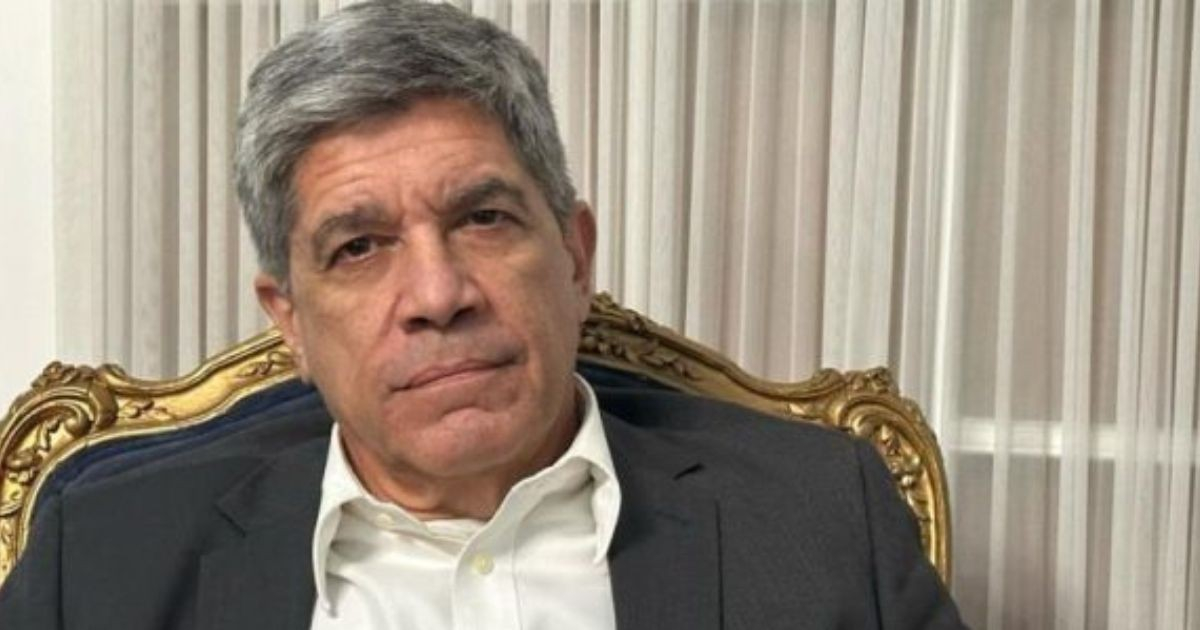
Carlos Fernández de Cossio, Deputy Minister of Foreign Affairs of Cuba, accused the U.S. this Sunday of intensifying "hour by hour" an effort to justify a military aggression against the island, describing the American accusations as "increasingly implausible."
The official posted on his X account that "the anti-Cuban effort aimed at justifying an unexcused military aggression against Cuba intensifies by the hour, with increasingly implausible accusations," and added: "The U.S. is the aggressor country. Cuba is the attacked country, protected by the principle of legitimate defense."
The statement comes hours after the portal Axios published an exclusive report based on classified intelligence, which claims that Cuba has allegedly acquired more than 300 military drones for attack purposes from Russia and Iran since 2023, and has begun discussing plans to use them against the naval base in Guantánamo, U.S. military vessels, and possibly Key West, Florida.
What stands out is that the deputy minister does not deny the existence of the alleged drones, nor the supposed plans of the Cuban regime; he merely replicates the traditional rhetoric of blaming the U.S. government.
According to intelligence sources cited by Axios, Cuba has stored these drones in strategic locations across the island and, within the last month, officials from the regime have reportedly requested more military equipment from Moscow.
The intercepts also indicate that Cuban intelligence is "trying to learn how Iran has resisted us," referring to the drone warfare tactics developed by Tehran.
A senior U.S. official emphasized the seriousness of the situation: "When we think about these kinds of technologies being so close, and a range of dangerous actors from terrorist groups to drug cartels, Iranians, and Russians, it is concerning. It's a growing threat."
The same official added: "They are part of Putin's meat grinder. They are learning Iranian tactics. It's something we need to plan for."
Despite the seriousness of the revelations, U.S. officials themselves clarified that they do not consider Cuba an imminent threat nor do they believe that the regime is actively planning to attack U.S. interests.
The immediate context of Cossio's statement includes the visit of the CIA director, John Ratcliffe, to Havana last Thursday, the first by a director of that agency in over a decade, where he directly warned regime officials against any acts of hostility.
A CIA official noted that "Director Ratcliffe made it clear that Cuba cannot continue to be a platform for adversaries to advance hostile agendas in our hemisphere."
Ratcliffe also urged the regime to dismantle its totalitarian system as a condition for lifting U.S. sanctions, and warned that "the Western Hemisphere cannot be the playground of our adversaries."
The Secretary of Defense, Pete Hegseth, stated before Congress last Tuesday: "We have been concerned for a long time about a foreign adversary using such a location so close to our shores, which is very problematic."
The escalation is part of a broader military cooperation between Havana, Moscow, and Tehran. U.S. officials estimate that up to 5,000 Cuban soldiers have fought for Russia in Ukraine, with Moscow paying the regime about 25,000 dollars for each soldier deployed, and that some have shared knowledge about drone warfare with military leaders in Havana.
This week, the Department of Justice plans to file a federal criminal charge against Raúl Castro for ordering the shooting down of two planes from Brothers to the Rescue on February 24, 1996, resulting in the deaths of four individuals.
The high-ranking U.S. official summarized the underlying concern this way: "No one is worried about Cuba's fighter jets. It's not even clear if they have one that can fly. But it's worth noting how close they are: 90 miles. It's not a reality we feel comfortable with."
Filed under: