
Related videos:
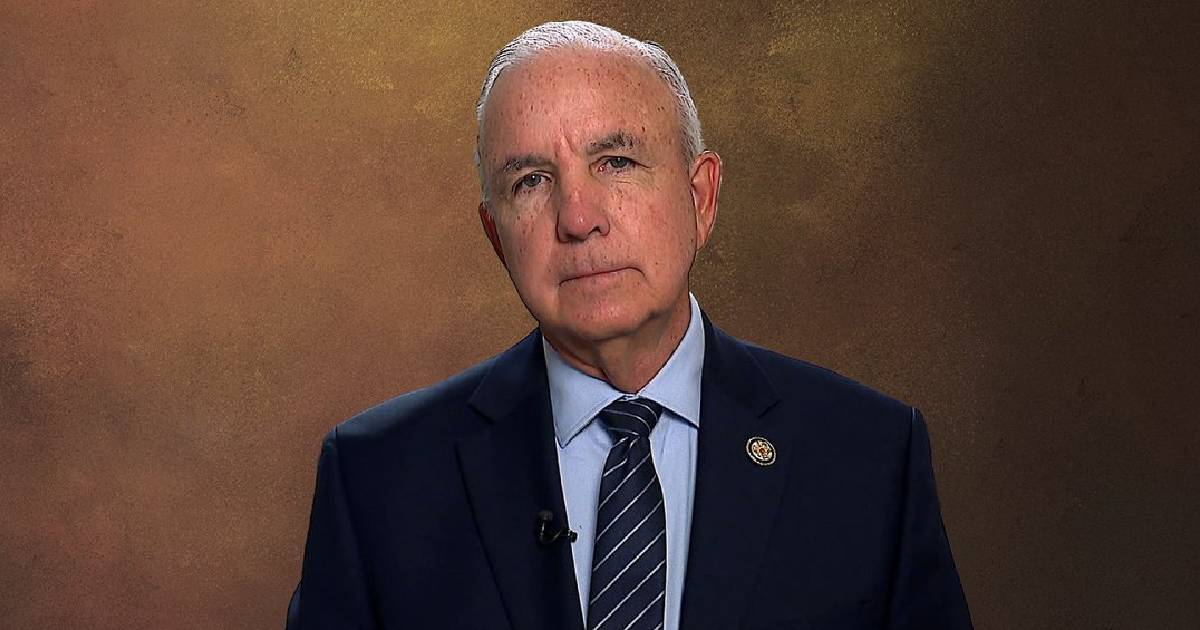
The Republican Cuban-American congressman Carlos Giménez reaffirmed this Sunday that the Cuban regime poses a direct threat to the national security of the United States, in a message published on his X account where he cited an exclusive report from Axios about the acquisition of military drones by Havana.
«The regime in Cuba poses a dangerous threat to the national security of the United States of America,» wrote Giménez, legislator for Florida's 28th district and member of the Armed Services and Homeland Security committees.
The congressman's message supported a report from Axios written by Marc Caputo, which reveals that Cuba has allegedly acquired over 300 military drones since 2023, coming from Russia and Iran, stored in strategic locations around the island.
According to classified intelligence cited by Axios, Cuban officials have reportedly begun discussing plans to use those drones against the U.S. naval base at Guantánamo Bay, U.S. Navy vessels, and potentially Key West, Florida, which is located just 90 miles north of Havana.
The report also notes that, in the past month, Cuba has requested more drones and additional military equipment from Russia. Reuters stated that it could not independently verify the details of the report.
The publication by Giménez comes just two days after the CIA director, John Ratcliffe, traveled to Havana and met with the Cuban Minister of the Interior, Lázaro Alberto Álvarez Casas, in a rare visit confirmed by the regime itself through an official statement.
Ratcliffe would have conveyed a message from President Trump conditioning any dialogue on "fundamental changes" in Cuba and explicitly warning Cuban officials to avoid aggressive actions.
Last Wednesday, Secretary of Defense Pete Hegseth declared before Congress that Cuba poses a threat to U.S. national security, in line with the stance that Giménez has maintained for months.
The Cuban regime rejected the accusations. Deputy Foreign Minister Carlos Fernández de Cossío published a statement on Facebook denying any threat: "No member of the Cuban government or official in an official position has made any statement threatening the U.S., and emphasized that the only foreign military presence on the island is the U.S. base at Guantánamo."
President Miguel Díaz-Canel also denied that Cuba has threatened the United States.
Giménez has been pushing in this direction for months. In April, he insisted that Cuba must be "democratic, free, and a friend of the United States, not an enemy," and in February he asked American airlines to cancel flights to the island, arguing that they fund a hostile regime.
The legal framework for this escalation was established on January 29, 2026, when the Trump administration issued Executive Order 14380, which declared a national emergency due to the Cuban threat and imposed new sanctions on the regime.
Filed under: