
Related videos:
The Provincial Council of Zaragoza and the City Council of Zaragoza approved, through the Aragón Emergency Committee, more than 100,000 euros in humanitarian aid for Cuba, distributed across three projects classified as "international emergency" that encompass solar electrification and food security.
The Diputación will contribute 58,050 euros to the Internationalist Solidarity Committee for a solar photovoltaic electrification project in the municipality of Guamá, in the province of Santiago de Cuba, one of the areas most devastated by the hurricane Melissa, which made landfall on October 29, 2025 with sustained winds of 195 km/h, gusts exceeding 260 km/h, and 400 mm of rain within 24 hours.
The funding will allow for the purchase of 12 autonomous photovoltaic kits to provide a stable electricity supply to a rural polyclinic, nine medical offices, a mother-and-child home, and a nursing home.
The installation of the equipment in Cuba will be carried out with more than 10,000 euros raised through donations from individuals and organizations in Aragón, coordinated by the Camilo Cienfuegos Cuba-Aragón Association and the Internationalist Solidarity Committee.
The Zaragoza City Council allocated an additional 64,300 euros for food assistance: 34,316 euros to the Juan Bonal Foundation for a food security project in Holguín that will benefit 100 families in extreme poverty—around 500 people, especially households with children, elderly individuals, or the sick—and 30,400 euros to Salesian communities to distribute food packages to 400 families in Guanabacoa, Manguito, Manzanillo, and Camagüey.
The Internationalist Solidarity Committee specified that "this action is part of the aid package approved by the Aragón Emergency Committee, which has already allocated more than 262,000 euros to various international humanitarian crises," including Lebanon, Palestine, and the Sahrawi camps.
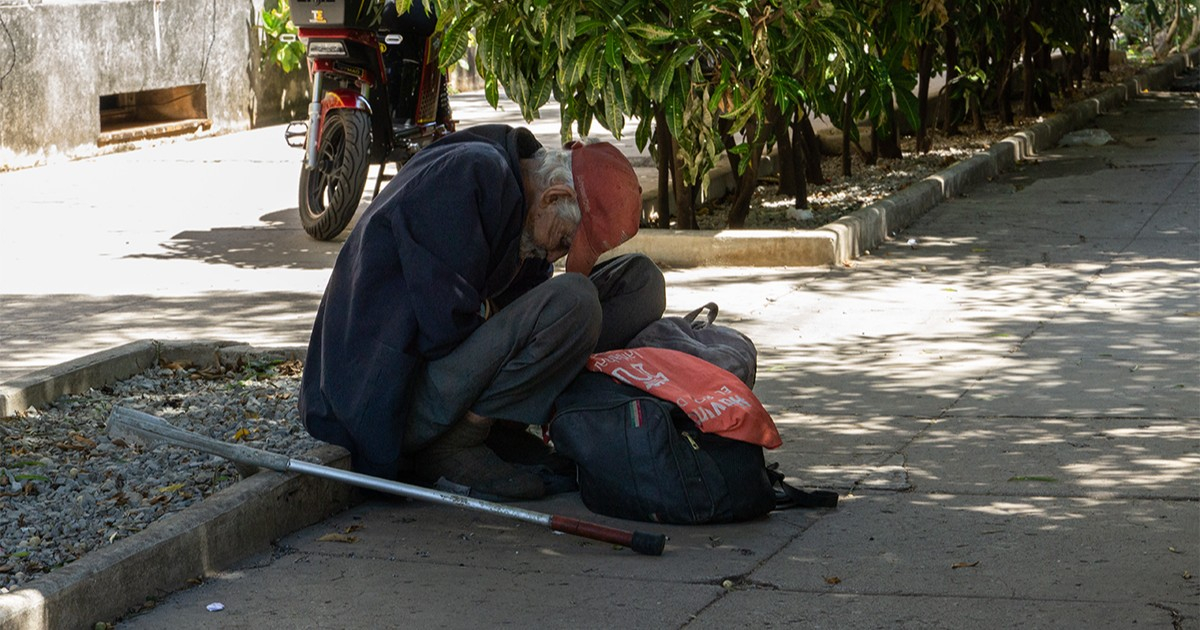
The Aragonesian aid arrives at a time when Cuba is experiencing one of its worst humanitarian crises in decades, combining a severe energy emergency —with generation deficits exceeding 2,100 MW in December 2025 and daily blackouts of more than twenty hours in some areas— with widespread shortages of food and medicine, a direct consequence of 67 years of communist dictatorship.
The Zaragoza initiative is part of a growing humanitarian response from Spain. The Spanish Agency for International Development Cooperation has completed the shipment of 18 photovoltaic kits and 1,000 food and hygiene kits for approximately 5,000 people, and the Government of Spain has mobilized half a million euros from the debt conversion fund with Cuba for the purchase of food.
The Principality of Asturias also announced a call for 500,000 euros in aid for Asturians and their descendants in Cuba, with the application deadline set for June 23, 2026.
The Spanish Foreign Minister José Manuel Albares summarized Madrid's stance on the magnitude of the crisis: "What more can we do? Spain cannot do everything on its own."
Filed under: