
Related videos:
The Spanish government has allocated half a million euros from the debt conversion program with Cuba for the purchase of food for the Cuban population, marking the first time this fund has been used for current expenses, as reported this Monday by El País.
The mechanism used is the debt conversion program agreed upon between Cuba and Spain in 2016 and reactivated in June 2025, which aims for Madrid to mobilize up to 375 million euros to finance sustainable development projects in sectors such as energy, water, and food security.
Under this arrangement, Spain forgives Cuba the repayment of that debt in exchange for the funds being allocated to projects supervised by both governments, effectively turning it into a donation of Spanish public money.
Although the program does not initially cover operating expenses, the bilateral committee that approves investments made a humanitarian exception in February, coinciding with the U.S. restrictions on Venezuelan oil that intensified the crisis on the island.
The approved pilot project continues a food assistance program in schools in the eastern region of Cuba, with food supplied by local agricultural cooperatives.
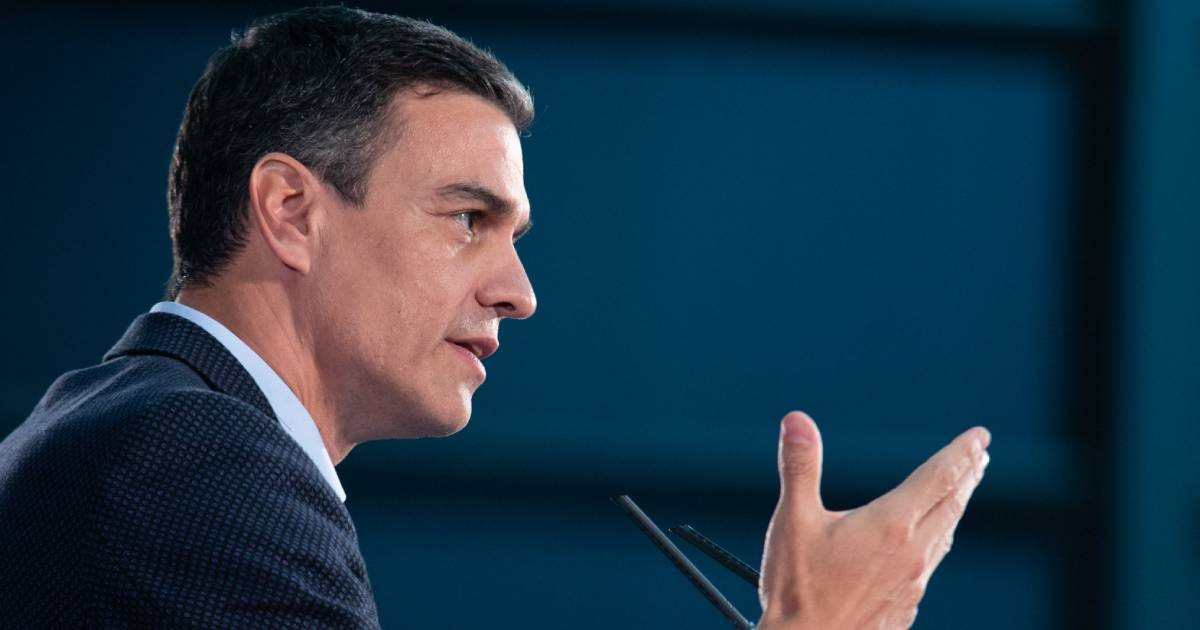
The initiative falls within the commitment made by President Pedro Sánchez, along with the leaders of Brazil, Luiz Inácio Lula da Silva, and Mexico, Claudia Sheinbaum, at the progressive summit held in Barcelona on April 19.
In a joint statement, the three leaders declared: "We express our deep concern over the severe humanitarian crisis facing the people of Cuba and call for the necessary measures to be taken to alleviate this situation and to prevent actions that worsen the living conditions of the population or are contrary to international law."
The decision to use the conversion fund for food has caused discontent among the 200 Spanish companies that make up the Platform of Affected by Unpaid Debts from the Cuban Government, which have accumulated debts amounting to 316 million euros without receiving payment from the regime.
Fifty percent of those companies come from Catalonia and another 20% from the Basque Country.
Last Tuesday, the Senate rejected a motion from the Plural Group urging the Government to assist those companies in collecting their debts; Junts, PP, and PNV voted in favor, but the other groups abstained and the motion did not pass.
Socialist spokesperson Juan Lobato defended the rejection with these words: "What we cannot support is the payment of compensation by the Spanish state as a result of commercial operations between private companies and the Government of Cuba. Public spending cannot be allocated to items that the law does not authorize."
The crisis that prompted the aid began in January when the Trump administration cut off the supply of Venezuelan oil to Cuba, leaving the island without its main source of energy and causing an economic standstill and the collapse of tourism.
The lack of kerosene forced Iberia to suspend its direct flights to Havana between June and September, and eleven other airlines have canceled operations to the island so far this year.
Meliá, the Spanish hotel group with the most properties in Cuba —36 establishments—, closed the first quarter with 50% of its operational capacity and warned that the situation "has greatly affected the tourism market."
According to the Food Monitor Program, 96.91% of the Cuban population lacks adequate access to food, and about 4.5 million people are at risk of food insecurity, a figure that places the current crisis among the worst since the Special Period of the 1990s.
Filed under: