
Related videos:
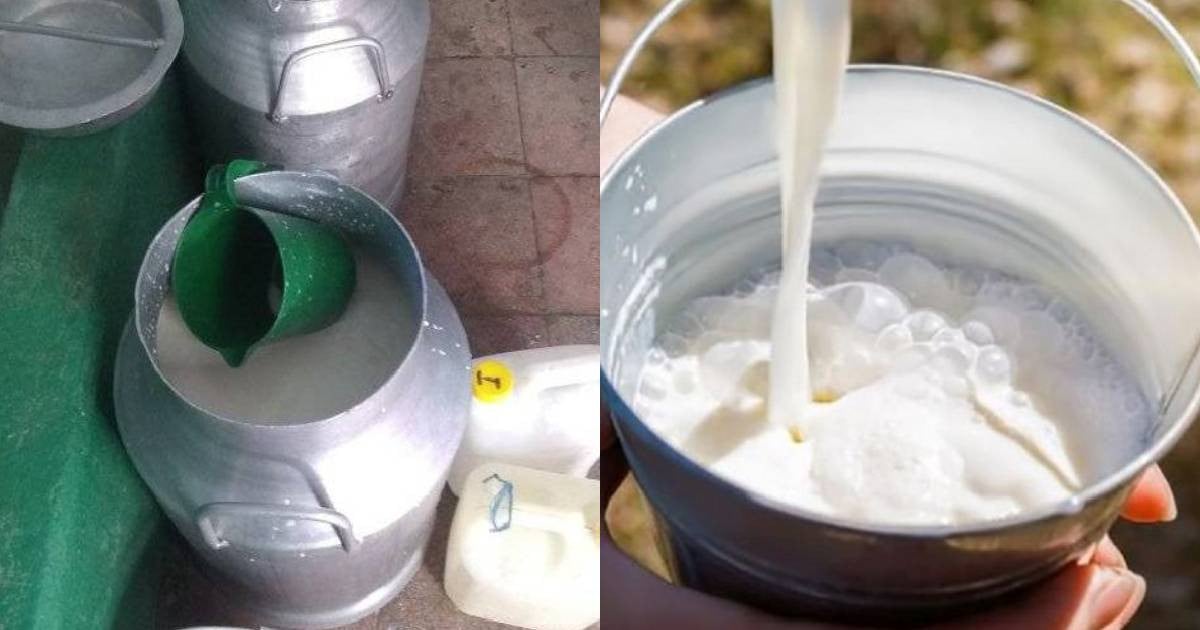
The energy crisis paralyzing Cuba forces the Guantánamo Dairy Products Company to distribute unpasteurized milk directly from the farm to the stores and to extend the delivery cycle from three to four days for children aged two to six, it was revealed this Saturday.
Adriel Leiva Elías, the company's director, explained that the lack of fuel prevents the pasteurization boiler from being turned on, resulting in the milk arriving raw at the distribution points.
"Directly, because there is no pasteurization process due to the current energy crisis we are facing. The lack of fuel, which is necessary for the boiler, means it continues to be delivered directly, that is, from the field to the warehouse," pointed out the executive in statements to Radio Guantánamo.
In light of this reality, authorities are shifting the health responsibility onto families. "The population is advised to shorten the cooking time, that is, from the moment the cow is milked to when the milk is pasteurized. In other words, cooking at home," he explained.
The delivery cycle, which was three days, is now extended to four, during which one liter of liquid milk will be provided for each beneficiary child aged two to six years.
Children under two years old continue to receive powdered milk, not liquid, the source clarified.
Starting this Monday, the municipalities of San Salvador and Manuel Tames will carry out direct internal deliveries without transferring the surplus to the main municipality of Guantánamo.
In Niceto Pérez, milk will first be distributed to children aged two to six, then to those on special diets and pregnant women, and any surplus will be sold directly to the population through the food services.
The municipality of Guantánamo will resort to electric tricycles for local collection, due to the lack of fuel for conventional vehicles, and will ensure social consumption for the General Hospital, the Children's Hospital, and the Maternal Home.
The measure comes at the worst energy crisis in Cuba in decades. The Minister of Energy and Mines Vicente de la O Levy admitted on Wednesday that the country "has absolutely no fuel, no diesel, only associated gas."
That same day, the impact on the National Electric System reached a historical record of 2,174 MW, with only 976 MW available against a demand of 3,150 MW, resulting in outages that affected nearly 70% of the country.
The pattern is repeated in other provinces. In March, Matanzas suspended the distribution of infant milk for weeks due to a lack of fuel, and in Camagüey, producers resorted to using animal traction and bicycles to transport milk to collection centers.
In April, a report in Las Tunas uncovered milk adulterated with water intended for children, with a density of 16.5 g/mL compared to the 30 g/mL required by regulations.
Distributing raw milk to children aged two to six poses serious health risks. According to the Centers for Disease Control and Prevention (CDC) and the World Health Organization, unpasteurized milk can contain bacteria such as E. coli, Salmonella, Listeria, and Campylobacter, which can lead to severe kidney complications in children under five.
Cuban milk production has fallen by 37.6%, dropping below 200 million liters annually against a demand of 500 million, in a country that has lost over 900,000 heads of cattle since 2019.
Filed under: