
Related videos:
The combination of U.S. sanctions, fuel shortages, and the direct targeting of the Cuban military conglomerate GAESA is accelerating the collapse of Cuba's air connectivity, leaving major Spanish hotel chains stranded on the island with no exit in sight.
According to a report published this Monday by El Mundo, Iberia announced the suspension of its direct flights from Madrid to Havana starting in July, while Cubana de Aviación has already canceled its only weekly flight between Cuba and Spain following the withdrawal of Plus Ultra Líneas Aéreas, which cited risks arising from sanctions imposed by Washington.
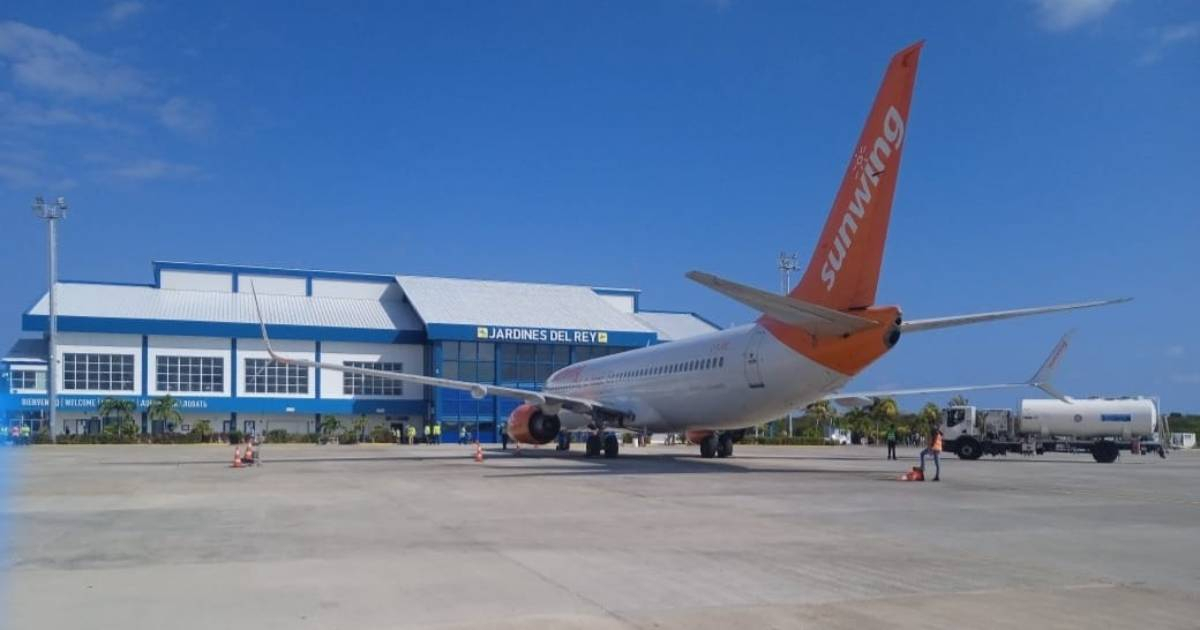
Canadian airlines such as Air Transat and Sunwing have also adjusted or suspended their programs to the island, with Sunwing extending its suspension until October 9, 2026.
The immediate trigger was the Executive Order signed on May 1 by the presidency of the United States, which imposed direct sanctions against GAESA and its director, Ana Guillermina Lastres.
On May 7, Secretary of State Marco Rubio formalized additional measures estimating GAESA's revenue at 20 billion dollars, described as "the heart of the communist kleptocracy."
The sanctions explicitly prohibit "any contribution, funding provisions, or services" to individuals identified by Washington, which increases the legal risk for Spanish hotel companies operating in partnership with that military conglomerate.
The energy crisis further worsens the situation. Of the eight fuel ships that Cuba needs each month, only one arrived in April, as acknowledged by President Miguel Díaz-Canel, who on May 13 described the situation on social media platform X as an "energy persecution."
This shortage worsened after the overthrow of Nicolás Maduro in Venezuela, which cut off the preferential oil supply that sustained the Cuban economy and caused widespread blackouts across the island.
In February, Cuba issued an international notice warning that there would be no aviation fuel available at José Martí International Airport for more than a month.
Cuban tourism had been in freefall before this new wave of pressures. In 2025, the island received only 1.81 million international tourists, the lowest since 2002, 62% less than the peak in 2018.
In the first quarter of 2026, arrivals accounted for only 52% of the same period in 2025, and hotel occupancy dropped to 18.9% throughout the entire previous year.
Meliá, with more than 30 hotels on the island, saw its business in Cuba decline by 10% in 2025, down to 11.5 million euros, with an occupancy rate of just 40% and a revenue per room of 29 euros.
Iberostar, which operates around twenty establishments and manages the future five-star luxury hotel in the tallest tower of Havana, has deepened its relationship with GAESA by becoming the first tourism company to exploit new hotel rental models tested by the regime, which exposes it to the highest risk of secondary sanctions.
NH Hotels, now owned by Minor Hotels, has opted to leave Cuba due to the deterioration of the environment.
Analysts estimate that GAESA controls around 40% of Cuban GDP, managing everything from hotels and remittances to gas stations and internet, making the conglomerate the primary target of Washington's pressure on Havana.
Filed under: