
Related videos:
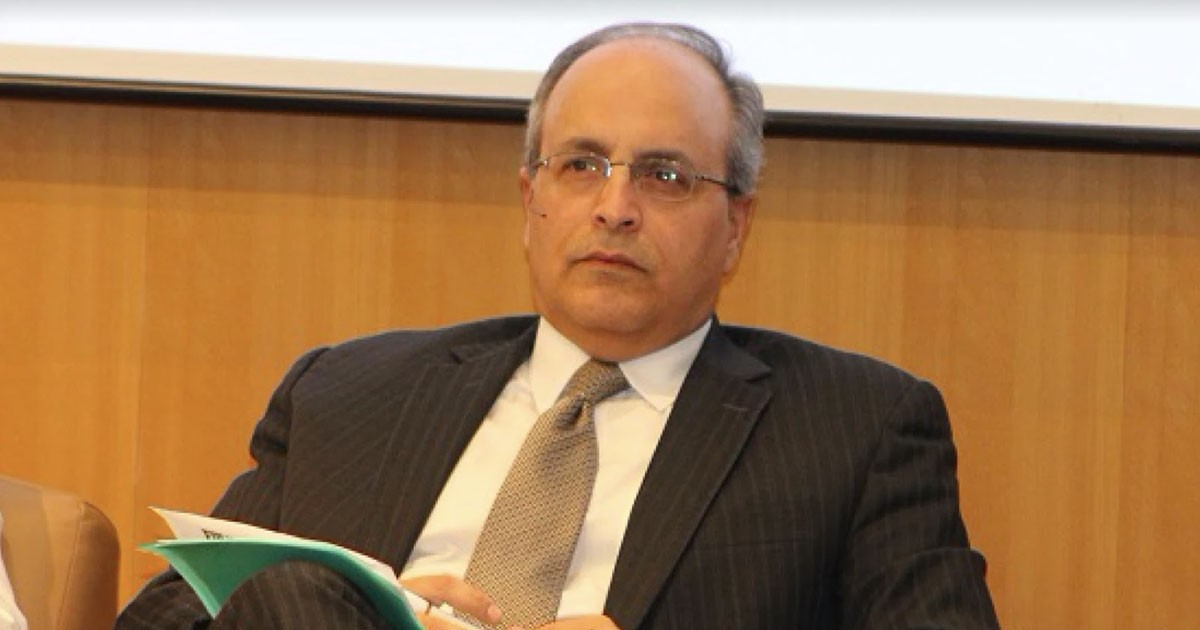
Frank Mora, former U.S. ambassador to the Organization of American States (OAS), warned this Sunday that a military intervention in Cuba "remains possible," although he described it as unlikely in the short term, in an interview with journalist Enrique Acevedo on the program Esta Semana de N+ Univision.
Mora described Washington's strategy as "almost a psychological operation" to pressure the Cuban regime into making concessions, which includes the increase of sanctions, the potential criminal charges against Raúl Castro, and the recent visit of CIA Director John Ratcliffe to Havana.
"I believe that we are still far from a military operation, but it remains possible," stated the former ambassador, who drew a direct parallel between the strategy applied against Venezuela and what Washington is supposedly developing now against Cuba.
"I believe that is Washington's purpose, to show Cubans: look, we did the same with Maduro in terms of containment, and this may indicate that we could do the same in terms of a military operation," Mora pointed out.
However, the analyst expressed skepticism about the effectiveness of these measures against the Cuban leader: "This 94-year-old dictator Raúl Castro, who has very little time left in this world after being in power for 67 years, doesn't seem like he's going to react or be intimidated by these types of measures."
The U.S. Department of Justice is preparing a formal criminal charge against Raúl Castro for the downing of the Hermanos al Rescate planes on February 24, 1996, which resulted in the deaths of four Cuban Americans, as reported by Associated Press last Thursday.
Mora contextualized the pressure on Cuba within the framework of the multiple crises facing Trump: "The situation in Iran, the war in Iran is not going well for the president. It is costing him politically and economically. And the president needs a victory."
In that regard, the former ambassador suggested that Trump might see Cuba as a political achievement opportunity: "He may think that in Cuba, if there is any kind of change, it could indicate that he has been able to accomplish what no other U.S. president has been able to do."
However, he cautioned that this assessment has its limits: "In the United States, there is simply no real support at the moment for what they might consider foreign adventures."
Regarding Trump's doctrine in the hemisphere, Mora was critical: "It's a stance that has truly prioritized Latin America, but from a perspective of coercion. In other words, the idea of using coercive tools, such as military means, to achieve certain objectives."
The objectives identified are migration, drug trafficking, and the containment of Chinese influence in the region.
The former ambassador argued that this approach is insufficient: "The problems we face in this hemisphere are truly complicated, complex, and transnational, and therefore a multinational response is required, such as the platform and forum that the OAS can provide."
The interview takes place at a time of maximum tension. Since January 2026, the Trump administration has imposed more than 240 sanctions against Cuba, signed an executive order on May 1 expanding the sanctions framework, and on May 7, Secretary of State Marco Rubio announced direct sanctions against GAESA, the Cuban military conglomerate that controls between 40% and 70% of the island's formal economy.
Meanwhile, the visit of the CIA director to Havana last Wednesday, confirmed by the Cuban government itself, conveyed the message that the U.S. would only engage in dialogue on economic and security matters if Cuba makes "fundamental changes."
Mora concluded his analysis with an assessment of the regional impact of Trump's policy: "The president is currently quite unpopular in the region, and I don't see any effort from Washington to change its current stance."
Filed under: