
Related videos:
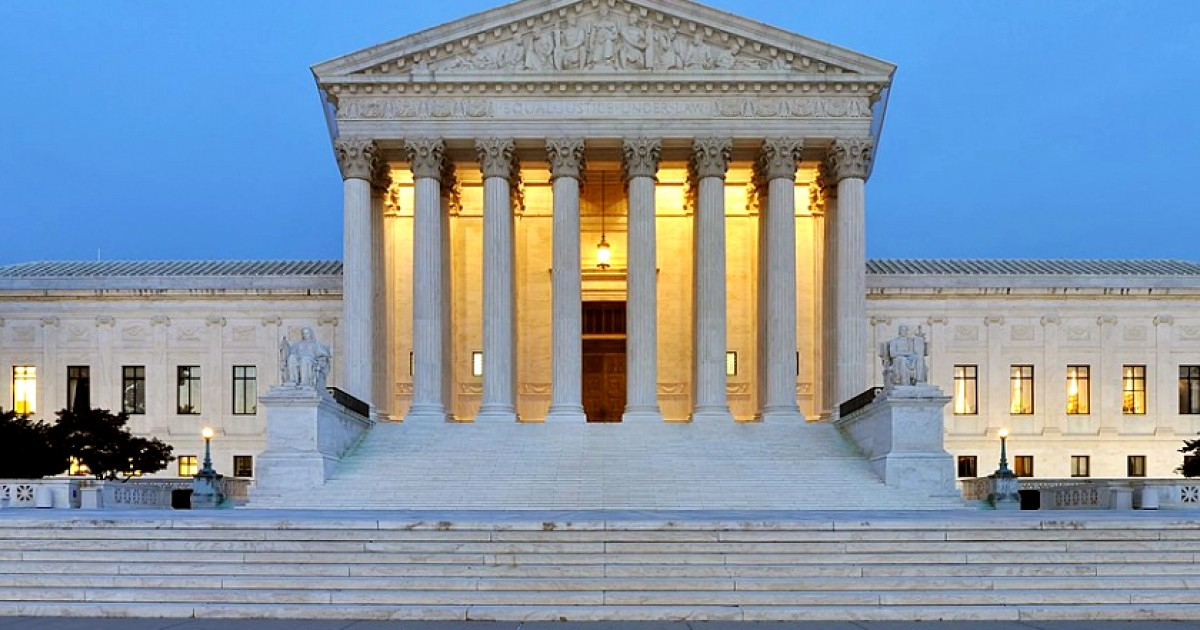
The United States Supreme Court ruled this Thursday, by a vote of eight to one, in favor of Havana Docks Corporation in its lawsuit against four major cruise lines for having used port facilities in Havana that were confiscated by the Castro regime in 1960, in a decision that could open the door to thousands of similar claims.
According to a report by AP, Justice Clarence Thomas wrote the majority opinion and ruled that the federal appeals court in Atlanta was mistaken in dismissing the lawsuits, concluding that "the cruise lines used confiscated property over which Havana Docks holds the title of rights."
The sued cruise lines -Carnival, Norwegian, Royal Caribbean, and MSC Cruises- operated at the port of Havana between 2016 and 2019, during the diplomatic thaw initiated by the Obama administration, bringing American tourists to the Island.
The ruling is not a final judgment: it returns the lawsuit to the appeals court to address additional arguments from the shipping companies that have yet to be examined.
The economic implications of the ruling are potentially enormous.
The State Department estimates that there are at least 200,000 potential claims for confiscated properties in Cuba, in addition to the 5,913 officially certified claims, which had an original value of 1.9 billion dollars and which, with accumulated interest, is now estimated to be worth more than 9 billion dollars.
A broad interpretation of Title III—such as the one now supported by the Supreme Court—also sends a deterrent message to any international company considering investing or doing business in Cuba with properties that the regime confiscated from their rightful owners.
The case revolves around Title III of the Helms-Burton Act, passed by Congress in 1996 in response to the shooting down of civilian planes belonging to Brothers to the Rescue by the regime, which allows U.S. citizens and companies to sue any entity that benefits from confiscated property in Cuba.
All previous presidents - Clinton, Bush, and Obama - had suspended that provision due to pressure from European and Canadian allies with business interests on the Island.
In 2019, the Trump administration fully activated it for the first time since its approval, and shipping lines hurriedly canceled their routes to Cuba.
Havana Docks Corporation operated a port concession in Havana that was originally granted in 1905 and extended for 99 years in 1920. The Cuban regime confiscated it without any compensation.
Federal Judge Beth Bloom from Miami sentenced the four shipping companies in 2022 to pay over 400 million dollars in total to Havana Docks, and ruled that the licenses granted by the Obama Department of the Treasury for transporting passengers to Cuba did not exempt the shipping companies from liability.
The appeals court overturned that ruling by arguing that the original concession would have expired in 2004, before the cruises operated in the port. The Supreme Court rejected that reasoning and restored the possibility for Havana Docks to collect compensation.
The ruling comes at a time of maximum pressure from the Trump administration on Cuba.
The Department of Justice filed federal charges against Raúl Castro, 94 years old, and five Cuban military officers for the shooting down of the planes from Brothers to the Rescue on February 24, 1996, which resulted in the deaths of four Cuban-Americans.
Filed under: