
Related videos:
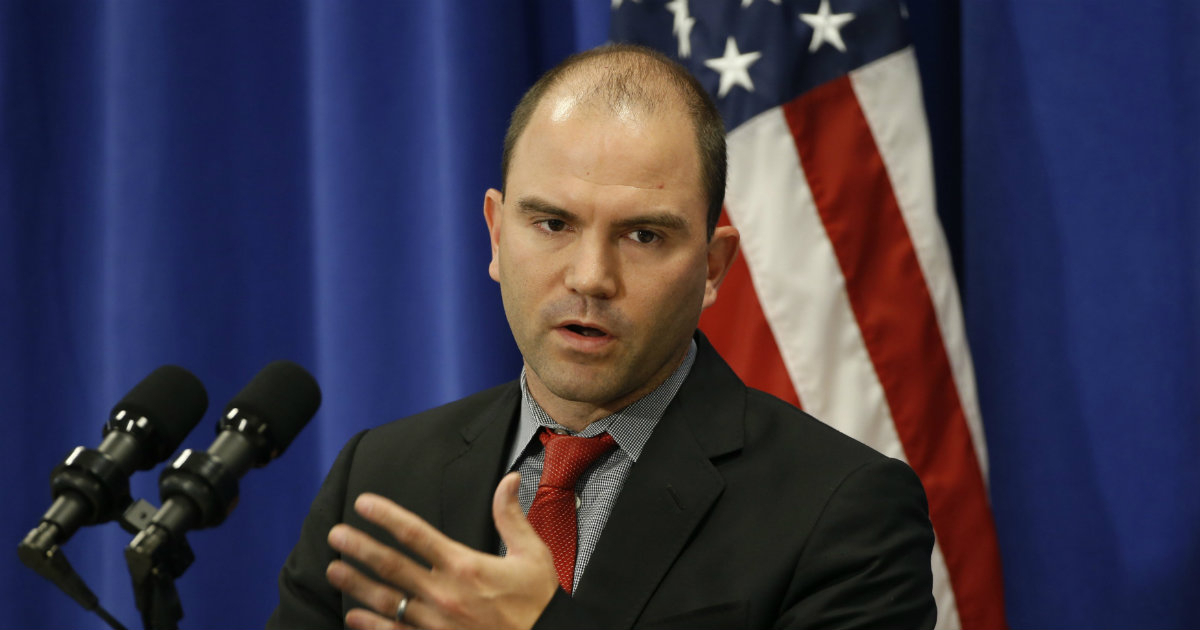
Ben Rhodes, former Deputy National Security Advisor under Barack Obama and one of the architects of the normalization of relations with Cuba, harshly criticized the strategy of Secretary of State Marco Rubio on a program hosted by former White House Press Secretary Jen Psaki, just days after Rubio released a video in Spanish addressing the Cuban people and the Department of Justice announced criminal charges against Raúl Castro.
Rhodes, who negotiated directly with Raúl Castro for diplomatic normalization and traveled to Havana with Obama and Psaki in 2016, described Rubio's video as "extraordinary in its arrogance, lack of tact, and hypocrisy."
The former official argued that the actual audience for the message was not the Cuban people, "most of whom will probably not even see it," but rather Rubio's political base: "the most radical Cuban-Americans in South Florida, who have wanted a regime change since the Bay of Pigs invasion."
Regarding the economic crisis on the island, Rhodes argued that the shortages are not due to the theft by its leaders but to decades of embargo and what he termed a fuel blockade imposed by the Trump administration: "If the electricity is cut off to hospitals, people die and children suffer from malnutrition."
Rhodes also dismissed Rubio's credibility on anti-corruption issues, stating that "no one believes this is a sincere anti-corruption agenda" while Donald Trump and his associates "are literally plundering the U.S. treasury."
The former advisor concluded his remarks by labeling the entire operation as "another attempt at regime change" that treats the Western Hemisphere "as our empire."
The video of Rubio was published on May 20, Cuba's Independence Day and the 124th anniversary of the Republic. In it, Secretary of State blamed the military-business conglomerate GAESA for the Cuban economic crisis, offered 100 million dollars in food and medicine to be distributed through the Catholic Church, and proposed a "new relationship" conditioned on dialogue being with the people and not with the regime.
On that same day, the Justice Department announced criminal charges against Raúl Castro for the downing of two planes from Brothers to the Rescue on February 24, 1996, which resulted in the deaths of four individuals: Armando Alejandre Jr., Carlos Costa, Mario de la Peña, and Pablo Morales.
The indictment, announced at the Freedom Tower in Miami by acting Attorney General Todd Blanche, includes charges of conspiracy to murder U.S. citizens, destruction of aircraft, and four counts of homicide. Castro, 94, could face life imprisonment if he were tried.
Rhodes' statements come in a context of maximum pressure from Washington on Havana. Executive Order 14380, signed by Trump on January 29, 2026, imposed tariffs on countries that sell oil to Cuba, reducing supply by approximately 90%. On May 7, Rubio announced direct sanctions against GAESA and its CEO.
In April, Rhodes had already stated that Cuba is experiencing "the worst humanitarian crisis in its history", with blackouts lasting up to 30 hours a day and more than 1,200 political prisoners on the island.
The conservative outlet Newsbusters criticized Psaki and Rhodes for "burning with rage" over the indictment of what it called "Cuban tyrant Raúl Castro," also pointing out "the gigantic lie about the causes of the shortage in Cuba" and the "unprovoked attacks on the Cuban exile community."
Filed under: