
Related videos:
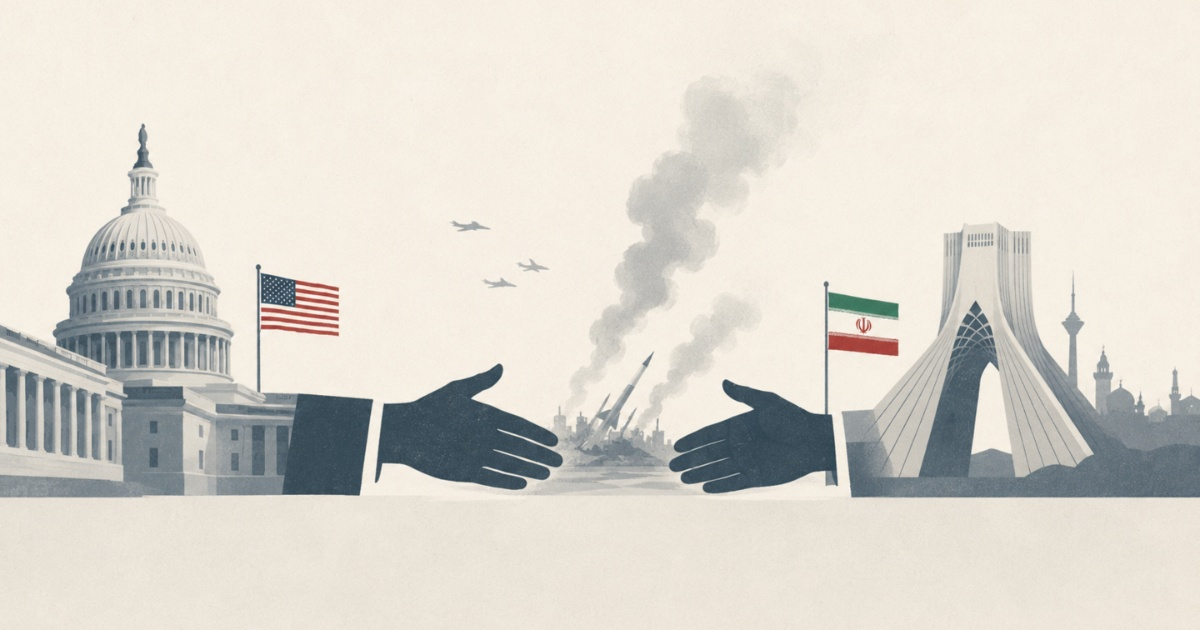
Iran stated this Saturday that Tehran and Washington have moved closer together during the past week regarding a potential peace agreement, mediated by Pakistan, although it refrained from claiming that a definitive understanding is near.
The spokesperson for the Iranian Ministry of Foreign Affairs, Esmail Bagaei, stated on state television that "over the past week, the trend has been toward a greater alignment of positions," but warned that it is still necessary to wait "to see what happens in the next three or four days," according to a report by the EFE agency.
According to Bagaei, discussions are now focusing on finalizing a memorandum of understanding based on the Iranian proposal of fourteen points, which has been exchanged several times between both parties and is centered on ending the war on all fronts, including Lebanon.
The Iranian diplomat indicated that there are still differences on some points, which he did not specify, and that these are still under evaluation.
After the signing of that memorandum, the parties would begin to negotiate other issues within a period of 30 to 60 days: the Iranian nuclear program, the lifting of U.S. sanctions, and the unblocking of Iranian funds abroad.
These statements come after the visit of the Pakistani Army Chief, Marshal Asim Munir, to Tehran, where he met with President Masud Pezeshkian, the Speaker of Parliament Mohamad Baqer Qalibaf, and Foreign Minister Abás Araqchí.
According to Iranian media, Munir conveyed Washington's message to Tehran and received the Iranian response before leaving the capital.
Qalibaf, the Iranian chief negotiator, stated at the meeting that Tehran will not relinquish its rights, directly referring to the nuclear program, regarding which the U.S. demands the surrender of the 440 kilograms of highly enriched uranium held by the Islamic Republic.
The day before, Secretary of State Marco Rubio also acknowledged a "slight progress" in the talks, although he warned that fundamental differences remain and categorically rejected any Iranian attempt to impose a toll system in the Strait of Hormuz: "that cannot happen," he stated.
The conflict between the U.S., Israel, and Iran erupted on February 28, 2026 with coordinated bombings over Iranian territory, after which Tehran blocked the Strait of Hormuz, through which about 20% of the world's oil and gas transits, driving global crude prices up.
In the last four days, Iran has allowed the passage of 117 vessels through the strait under the escort of the Revolutionary Guard, which implements what it refers to as "intelligent control" of maritime passage.
Negotiations have gone through multiple ups and downs: on May 11, Trump described the Iranian response as “completely unacceptable”, and on May 19 gave Iran “two or three days” to accept a nuclear deal.
This Saturday, Trump reiterated that Iran "will never have a nuclear weapon" and that the war "will be resolved soon."
Filed under: