
Related videos:
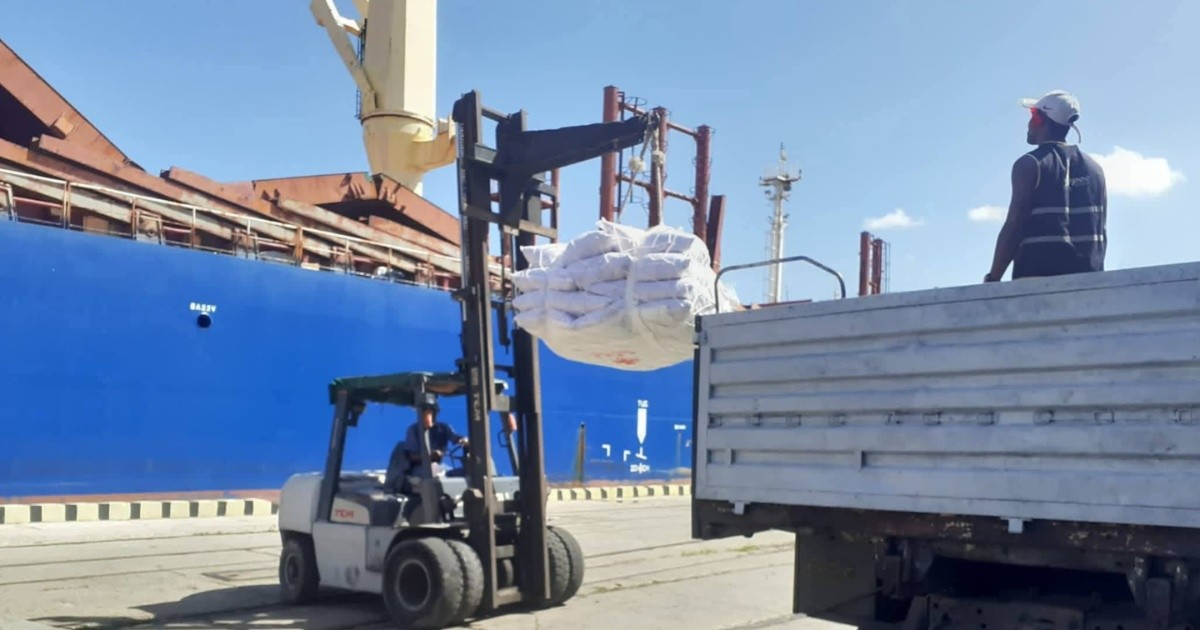
A ship carrying 15,000 tons of rice donated by China arrived this Saturday at the Haiphong terminal of the Port of Havana, which the Cuban regime and official media described as a "gesture of solidarity" from the Chinese government.
The shipment is the first of a total donation of 60,000 tons that will arrive gradually on the Island, as reported by Cubavisión Internacional.
Betsy Díaz Velázquez, head of the Ministry of Domestic Trade (MINCIN), stated that the first 15,000 tons will be distributed across all provinces of the country and the special municipality of Isla de la Juventud, benefiting 9 million 600 thousand consumers, as well as educational and health institutions.
This donation of 60,000 tons was approved in January 2026 by Chinese President Xi Jinping as part of an emergency aid package that also included financial assistance of 80 million dollars for electrical equipment and other urgent needs.
In addition to a first commitment of 30,000 tons announced also in January, the total amount of rice committed by China rises to 90,000 tons.
Shipments began in March 2026. On the 26th of that month, the Loyalty Hong arrived in Havana with 15,600 tons in the first discharge of the 60,000-ton package.
The distribution of Chinese rice has already reached several provinces: four pounds per consumer in Mayabeque starting from April 4, five pounds in Camagüey since April 15, and the grain has also arrived in Las Tunas and other provinces since April 25.
The aid arrives amid a severe food crisis that the regime has publicly acknowledged. In 2025, the pound of rice reached a price of more than 300 Cuban pesos in the informal market, and exceeded 350 pesos in some areas of Havana.
The reliance on imports to secure the most basic food in the Cuban diet has led to systematic delays in distribution. Minister Díaz Velázquez herself acknowledged this in May 2024: "It is very difficult to manage timelines when you are solely dependent on imports."
China had previously donated rice to Cuba in earlier years—5,000 tons in 2021—but the volume pledged for 2026 is significantly larger and reflects the deep political alignment between both governments, as the Cuban dictatorship faces its worst economic crisis in decades after 67 years of a communist model.
The Chinese Embassy in Cuba took advantage of the shipments to reaffirm its political support for the regime and urged Washington to lift the embargo, promising to continue supporting Havana "to the best of our abilities and in our own way."
Filed under: