
Related videos:
In the midst of discussions and a potential agreement, the spokesman for the Iranian Ministry of Foreign Affairs, Ismail Baqaei, on Saturday compared the United States to the Roman Empire and President Donald Trump's offensive against Iran to the failed Roman attempt to conquer Persia in the 3rd century A.D., according to Europa Press.
"The Romans believed that Rome was the center of the world, but the Iranians shattered this illusion," declared Baqaei, referring to the campaign of Emperor Philip the Arab against the Sasanian Empire, which concluded around the year 244 A.D. with a peace negotiated on favorable terms for the Persian king Shapur I.
The historical reference refers to the petroglyph of Naqsh-e Rustam, known as "The Triumph of Shapur I over Valerian and Philip the Arab," which Iran uses as a symbol of Persian resistance against Western powers.
The implicit message from Tehran is that, just as Rome had to negotiate under unfavorable conditions with Persia, Washington will be forced to do the same with the Islamic Republic.
The statement comes amid ongoing negotiations between both countries, at a time when Baqaei himself acknowledged that the trend points towards an agreement: "Over the past week, the trend has been towards a greater alignment of positions," although he cautioned that it would take "three or four days" to confirm whether a final deal would be reached.
Iran also stated that it is in the "final stage" of finalizing a 14-point memorandum of understanding with the U.S.
Hours later, Trump announced from the Oval Office that an agreement with Iran had been "largely negotiated", pending finalization, following a joint call with leaders from Saudi Arabia, the United Arab Emirates, Qatar, Pakistan, Turkey, Egypt, Jordan, and Bahrain.
"A largely negotiated agreement is subject to finalization between the United States of America, the Islamic Republic of Iran, and the various listed countries. The final aspects and details of the agreement are currently under discussion and will be announced shortly," Trump wrote on his Truth Social account.
The main point of disagreement remains the duration of the nuclear moratorium: the U.S. demands a 20-year halt in uranium enrichment, while Iran offers between five and 15 years.
Tehran also claims 270 billion dollars in war reparations, while Washington demands the return of the 440 kilograms of highly enriched uranium in Iranian possession.
The negotiations have been primarily mediated by Pakistan, whose Chief of Staff, Marshal Asim Munir, acted as a direct liaison between Washington and Tehran, with the support of Qatar, Saudi Arabia, Turkey, and Egypt.
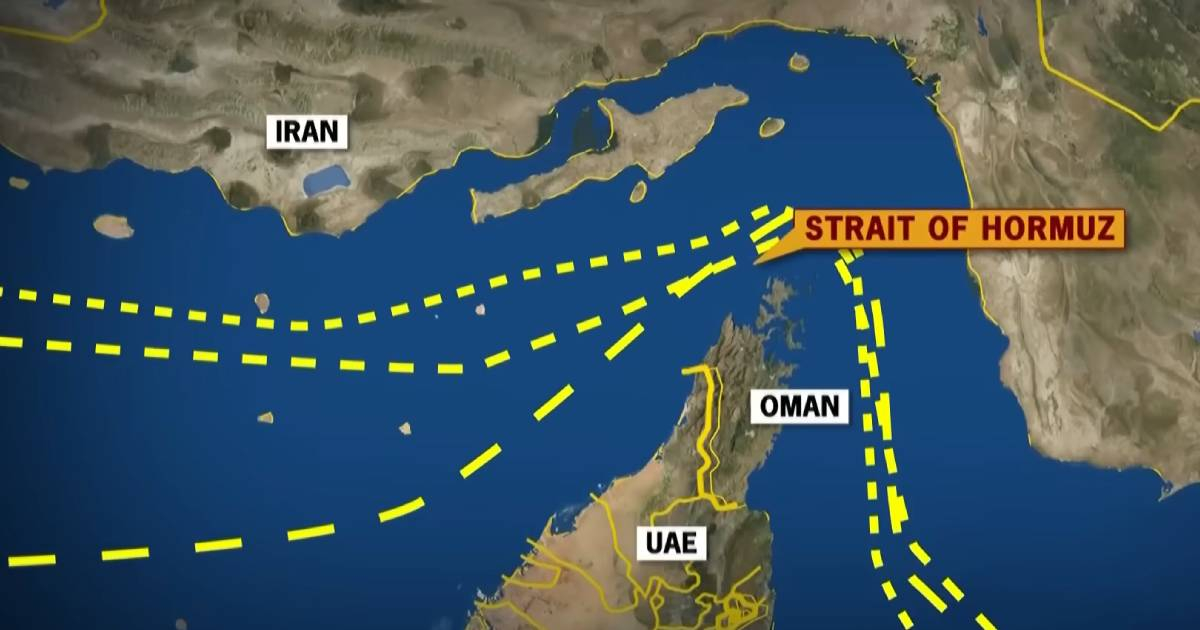
The conflict was triggered on February 28, 2026 with Operation "Epic Fury," a joint attack by the U.S. and Israel on Iranian military and nuclear facilities. In retaliation, Iran blockaded the Strait of Hormuz, driving oil prices above 120 dollars per barrel.
Trump escalated the pressure with a series of ultimatums: on May 17, he threatened that "there would be nothing" left of Iran if an agreement was not reached, and on May 19, he gave Tehran a deadline of "two or three days" to accept a nuclear deal.
The Secretary of Defense, Pete Hegseth, confirmed on Friday that the ceasefire "is holding for now," but warned that U.S. forces are ready to resume operations at any moment.
Filed under: