
Related videos:
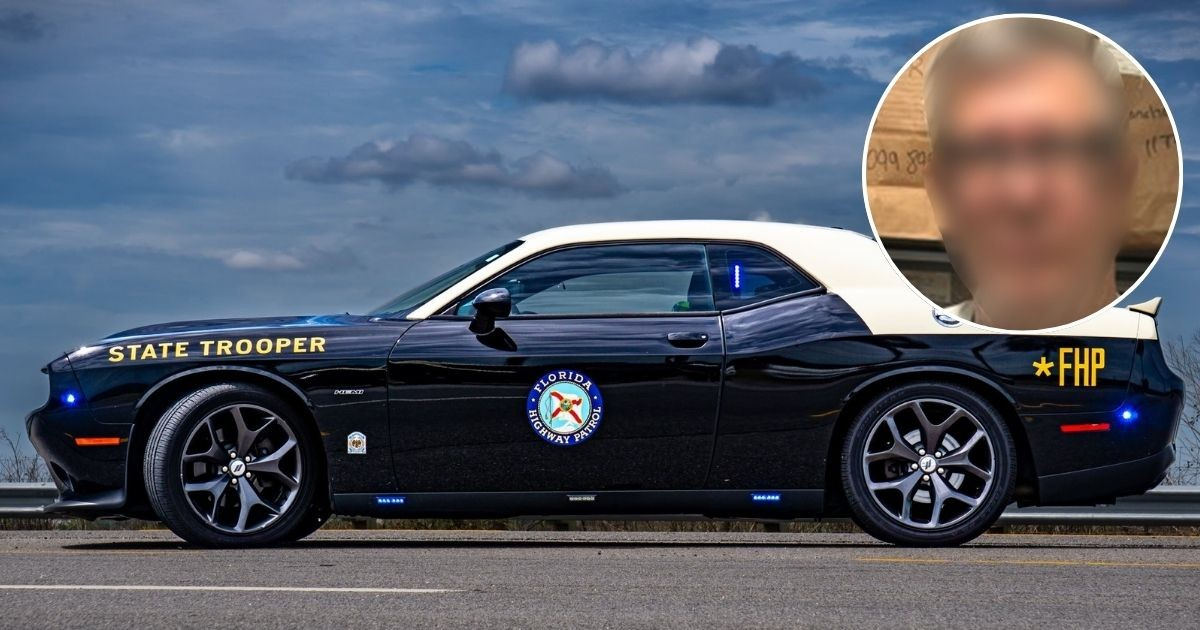
The Florida Highway Patrol (FHP) published on May 11 on their social media the arrest of an undocumented Cuban citizen with 116 felony convictions and a deportation order that has been active since May 1998, which means it has been in place for nearly 28 years.
The official poster of the Criminal Alien Apprehension Team (CAAT) of the FHP describes the detainee as a "serious offender with an extensive criminal history spanning approximately 308 pages and reflecting 116 convictions for felonies."
Among the documented crimes are possession of cocaine, possession with intent to sell cocaine, possession of marijuana with intent to sell, aggravated assault with a deadly weapon, organized fraud, and Medicaid fraud.
The Facebook post by the FHP included the message: "You can only overcome the consequences for a time..." along with the hashtags #Booked and #SeeYaNever, conveying a clearly triumphant tone.
The authorities did not disclose the name of the detainee, the county where the arrest occurred, nor any formal court documents. According to Hoodline, "so far, Florida authorities have left some basic questions unanswered."
The CAAT is a specialized unit of the FHP that works in coordination with federal partners to identify and apprehend individuals without legal immigration status who have criminal records.
This detention falls within the framework of the state's immigration enforcement policy under Governor Ron DeSantis, who in February 2025 expanded the 287(g) agreements with the Immigration and Customs Enforcement (ICE) to allow multiple state agencies, including the FHP, to exercise delegated functions of federal immigration law enforcement.
As of March 2025, the FHP had arrested more than 9,000 undocumented immigrants under that program, of which over 1,600 had prior criminal records.
In March 2026, the CAAT participated in "Operation Tidal Wave" in Key Largo alongside the Customs and Border Protection (CBP), where 15 undocumented immigrants with criminal records from Cuba, El Salvador, Honduras, Mexico, and Guatemala were arrested.
The effective deportation of the detained individual could face historical obstacles, as for years, the Cuban regime refused to accept deportees with serious criminal records, complicating the enforcement of removal orders.
However, that situation changed in 2026. On February 9th, the first deportation flight of the year arrived in Havana with 170 Cubans, including individuals convicted of murder, kidnapping, and drug trafficking.
By May 21, the United States had deported 612 Cubans in 18 operations during the current year.
Filed under: