
Related videos:
Geopolitical analyst George Friedman, founder of Geopolitical Futures, published an analysis this Tuesday questioning the effectiveness of U.S. aid to Cuba and warning that the scale of the disaster on the island far exceeds the 100 million dollars that the director of the Central Intelligence Agency (CIA) brought to Havana.
"Given the nature of Cuba, I find it hard to believe that this money would reach the Cuban people, and moreover, the disaster that Cuba has become would require more than 100 million dollars to fix," Friedman wrote from his account on X.
The analyst was referring to the visit that John Ratcliffe, the director of the CIA, made to Havana on May 14, during which he delivered a message from Trump and an offer of humanitarian aid that was conditional on reforms and would be channeled through the Catholic Church and independent organizations.
Friedman pointed out the unusual nature of that handling: "Why they sent him instead of a diplomat, you are free to imagine. I don’t know."
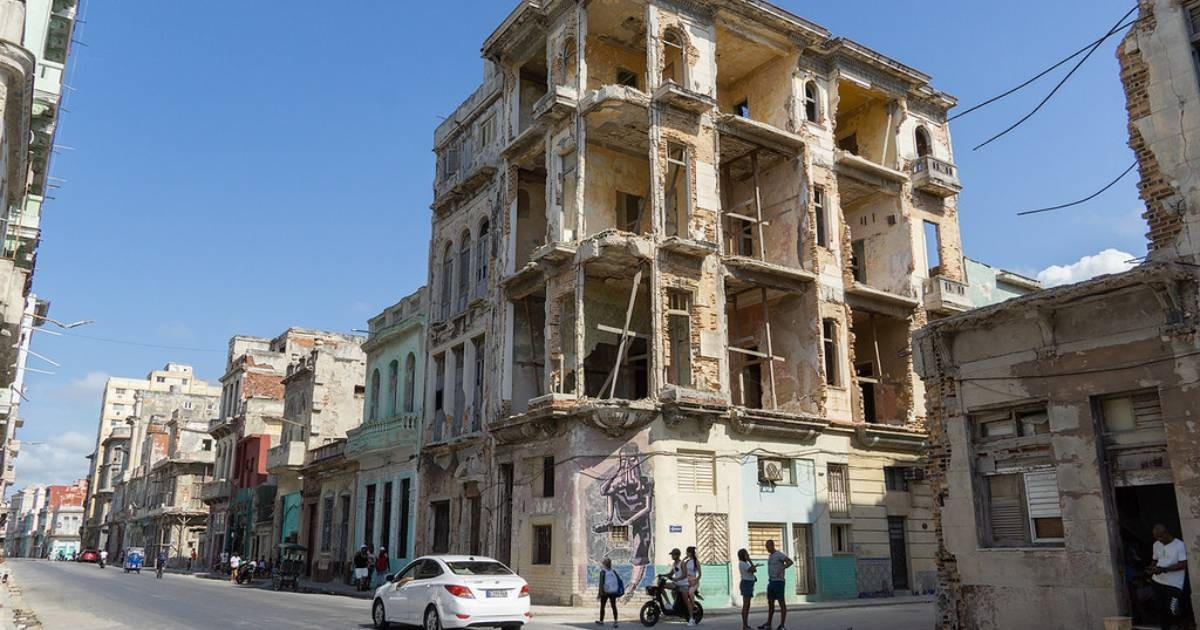
Regarding the causes of the crisis, the analyst was straightforward: “The United States has always treated Cuba as a problem, and this treatment has often been ruthless, but in this case, the crisis is largely a result of Cuba's own internal actions over the years.”
Although he acknowledged that the U.S. embargo and the reduction of oil shipments from Venezuela and Mexico have worsened the situation, Friedman emphasized that the primary responsibility lies with the regime itself.
The analyst also recalled the strategic link that the Cuban government has maintained for decades: the relationship with Venezuela, established since the 2000s as an exchange of oil for political, medical, and intelligence support.
That axis was broken suddenly. "It is important to remember that when the United States carried out its surgical extraction of Venezuelan President Nicolás Maduro and his wife from Caracas in January 2026, they were being guarded by Cuban troops," Friedman wrote.
In that operation, 32 Cuban escorts died, losses that Díaz-Canel himself publicly acknowledged and which prompted a national mourning decree.
Following Maduro's fall, the flow of Venezuelan oil to Cuba—estimated at up to 70,000 barrels per day at its peak—was drastically interrupted, exacerbating an energy crisis that was already of historical proportions.
In May 2026, the National Electric Union reported generation deficits of up to 1,440 MW, with blackouts in 2025 exceeding 20 hours a day in some areas.
In April, the UN warned of a potential "humanitarian collapse": the national electric system experienced outages three times in a month, there was a backlog of over 96,000 surgeries, and around one million people relied on truck transportation for water.
The Center for Strategic and International Studies (CSIS) estimated in 2025 that extreme poverty affected 89% of the Cuban population and that 70% had skipped meals due to a lack of resources.
After Ratcliffe's visit, Trump stated that Cuba would have to be the one to take the first step: "They will have to come to us," asserted the U.S. president, while Washington made any dialogue contingent on fundamental changes in the island's government system.
The Cuban Foreign Minister Bruno Rodríguez, who initially described the offer of 100 million as a "fable," eventually stated that Cuba was "willing to listen" to its details.
Filed under: