
Related videos:
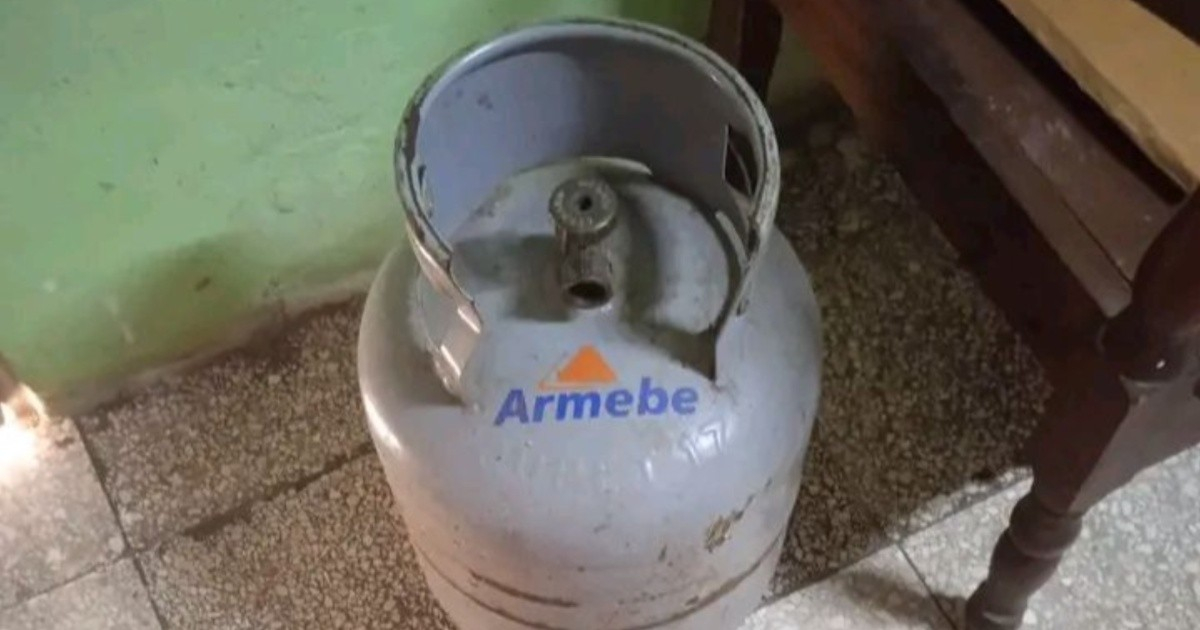
A new digital platform called KMCERO has begun selling 10-kilogram liquefied gas cylinders in Cuba for 24 dollars, in a scheme that completely excludes the Cuban peso and, according to customer testimonials, distributes the same cylinders as those from the regulated state system, according to a report by 14yMedio.
The only visible pickup point is in an alley at Ciudadmar and 7ma, in San Miguel del Padrón, Havana. The buyer must provide an empty cylinder in good condition and pay with Clásica, AIS, Tropical, Visa, or Mastercard. National currency is not accepted.
"Those little bullets, as you can see, are from here. The same ones they give you with the ration card, so let's stop the stories," a woman said while waiting in line alongside other customers who had purchased online.
The comparison is not insignificant. The cylinders provided by KMCERO are identical to those circulating within the state distribution network, and the logistics observed by neighbors and users are reminiscent of those of Cupet, the state group that leads the Cuban oil sector.
The supplier listed on the platform is a company called Progas, whose actual structure and ownership are unclear. The "About Us" section is either inaccessible or does not provide sufficient information.
What is documented is that KMCERO was promoted by Tecnomática alongside the state-owned SME TM-NEXGEN as a virtual store for the purchase of fuels and lubricants. Tecnomática is part of the business ecosystem linked to Cupet.
"If the product, the packaging, the logistics, and the promotion belong to the state circuit, what exactly does Progas contribute besides a new label and a payment method in dollars?" asked a customer while waiting in line.
No one knows for sure whether the gas comes from the Energas plant in Varadero or from a private import. What is clear, according to the report from 14ymedio, is that small gas canisters are no longer available in national currency.
KMCERO is not the only platform that has entered this business. Since early May, Supermarket23 and Katapulk have also started selling gas cylinders for 29 dollars for a 10-kilogram cylinder, with the same requirement to return an empty one.
The demand was so high that Supermarket23 ran out of stock within a few hours and had to temporarily suspend service on May 11.
At KMCERO, the shortage is also immediate. "To get a little package, you have to be ready at 7:00 am, all set, because the little packages fly off the shelves," warned a customer at the pickup point. Moreover, after payment, the product is not received immediately: pickup is scheduled for the next day.
The context is a supply crisis that has been ongoing since late 2024. In January 2025, more than 100,000 households in Matanzas were left without gas, and the shortage spread to Havana, Artemisa, and Mayabeque. In May 2025, authorities in Sancti Spíritus acknowledged that there was no inventory available nationwide and that they did not know when it would be restored.
On May 23, just days before the appearance of KMCERO, Cupet issued a warning about a fake website that pretended to sell liquefied gas under the name "GasCuba · National Distribution · Cuba," highlighting the ecosystem of confusion and opportunism surrounding the gas market on the Island.
The dollarization of gas deepens the divide between those who have access to foreign currency and those who rely on salaries in pesos. For the latter, the only option remains to wait for the regulated distribution via the ration book, which can take weeks or even months, while cooking in Cuba increasingly costs more dollars and the unanswered question continues to be who is really being paid for the gas.
Filed under: