
Related videos:
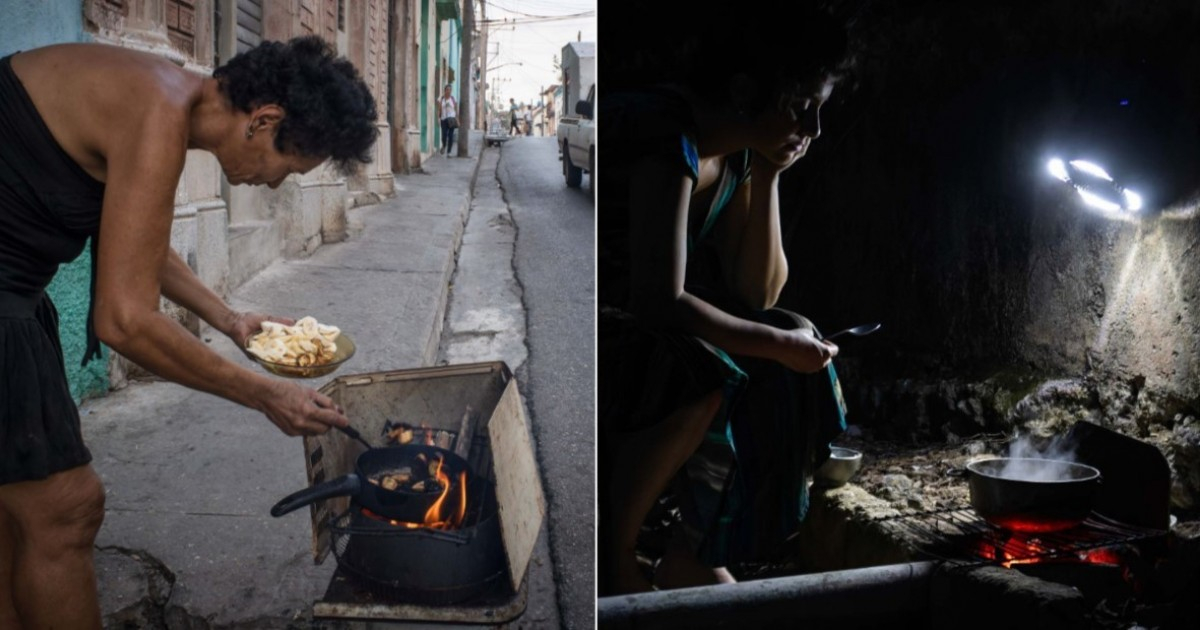
Rice has become an unattainable luxury for many Cuban families, and popular ingenuity is seeking alternatives.
A testimony posted on Facebook by Yin Hairon describes how a neighbor prepares a puree of cassava, sweet potato, plantain, and pumpkin as a substitute for cereal, in a scene that humorously and starkly depicts the depth of the food crisis on the island.
"What ordinary Cubans are doing to replace rice on their plates or at least consume it in smaller quantities, because with banking issues and prices, eating it has already become a luxury," Hairon wrote at the beginning of his account.
He recounts that he accompanied his mother, a woman over eighty years old, to visit a neighbor who had been preparing lunch since early in the morning.
Upon entering the kitchen, the scene left him speechless: "That lady was making a purée with cassava, sweet potatoes, plantains, and squash; that pot had a complete array of side dishes, in fact, it was like an entire cooperative was inside!"
The recipe was simple yet revealing: mix the hot root vegetables with garlic, onion, and oil, spreading it over the vulnerable areas until it forms a paste.
Hairon admits that, despite the initial surprise, the result was unexpectedly good: "That agricultural mix actually tasted very good, and a few minutes later I started to feel stronger and more energized."
The story ends on an unintentional humorous note: the octogenarian mother, after tasting the puree, returned home at such a brisk pace that it became impossible to catch up with her.
Then he planted a yam under the midday sun and filled a tank with buckets of water. Meanwhile, when he opened the refrigerator, "he ripped the door off with so much strength in his arm."
Behind the anecdote lies a devastating reality. In 2026, rice exceeds 400 pesos per pound in the informal market, compared to a state salary of around 7,000 pesos per month and a basic basket estimated at 50,000 pesos.
The survey "There Is Hunger in Cuba 2025", published on May 6 by the Food Monitor Program and Cuido60, revealed that 33.9% of Cuban households reported that at least one member went to bed without eating in the past year, compared to 24.6% recorded in 2024.
79.4% of families allocate 80% or more of their income to food, and 40.6% spend all they earn solely on eating. In the province of Granma, the percentage of families that experienced hunger reached 78.9%.
The rice deficit is structural. Cuba produced only 80,000 tons in 2024, less than 15% of the 600,000 tons needed annually, and spent more than 300 million dollars on imports that year.
Forced banking has worsened access to food in the informal market, where most of what Cubans eat is bought.
Given this situation, root vegetables —yuca, sweet potato, plantain, malanga, yam, pumpkin— are regaining prominence as substitutes for grains. It's not the first time: in 2023, emergency recipes such as ropa vieja made from plantain peels or fritters made from yuca peels were already circulating, indicating that this forced adaptation has been deepening for years.
The May survey also revealed that power outages impact food preparation in 80.4% of Cuban families, adding another layer of difficulty to the already precarious food situation on the island.
Filed under: