
Related videos:
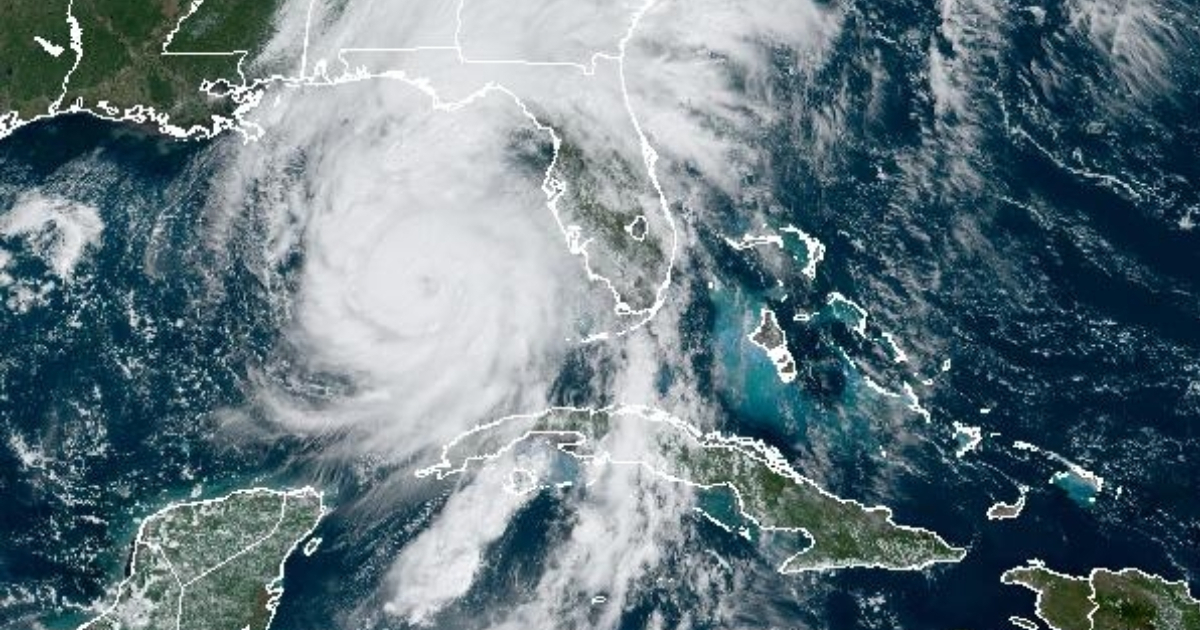
Dr. Michael Brennan, director of the National Hurricane Center (NHC) at NOAA, issued an urgent call for preparedness on Monday as the official start of the 2026 Atlantic hurricane season approaches, which runs from June 1 to November 30.
Brennan issued an institutional message titled "Hurricane Preparedness: Know Your Risk — Water and Wind," in which he urged the public to take action before a specific threat arises.
The director of the NHC listed the main hazards that the population should consider: storm surge, flash floods from intense rains, strong winds, tornadoes, and rip currents.
The message emphasizes that preparation should not depend on the expected level of activity for the season but should anticipate any possible scenario.
The forecast for 2026 indicates a hurricane season that will be less intense than usual, with a 55% probability of activity being below the historical average, according to NOAA.
The agency estimates between eight and 14 named storms, three to six hurricanes, and one to three major hurricanes (Category 3, 4, or 5), with a 70% confidence in those ranges.
The determining factor is the expected arrival of El Niño, with a 98% probability that the conditions of this phenomenon will take hold between August and October, which increases the vertical wind shear over the tropical Atlantic and the Caribbean, making it more difficult for cyclones to form.
The Colorado State University (CSU) projected 13 named storms in April, including six hurricanes and two major hurricanes, which equates to 75% of an average season for the period 1991-2020, with a Cyclone Energy Index of 90 units compared to a historical average of 107.
The INSMET of Cuba anticipated a "less active" season with 11 tropical cyclones, five hurricanes, and two of great intensity for the entire Atlantic basin.
Despite the moderate forecast, the risk remains significant for Cuba: INSMET establishes a 40% probability that at least one hurricane will affect the island in 2026, a figure slightly higher than the historical average of 35%.
Moreover, there is a 75% chance that a tropical storm will impact the country during the season.
The Florida authorities have also urged residents to prepare in advance, warning that the southern part of the state has not experienced a direct impact from Hurricane Irma in 2017, which could lead to overconfidence among the population.
The context is complicated by the presence of thousands of visitors in Florida during the FIFA World Cup 2026, which increases the importance of preparation among new residents and tourists.
The NHC recommendations include storing water, non-perishable food, and medications for at least seven days, reviewing evacuation routes, being aware of the storm surge area, and securing important documents.
CSU will update its forecast on June 10, July 8, and August 5; NOAA and INSMET will do the same in August, when the estimates gain accuracy as they approach the historical peak of the season.
Filed under: