
Related videos:
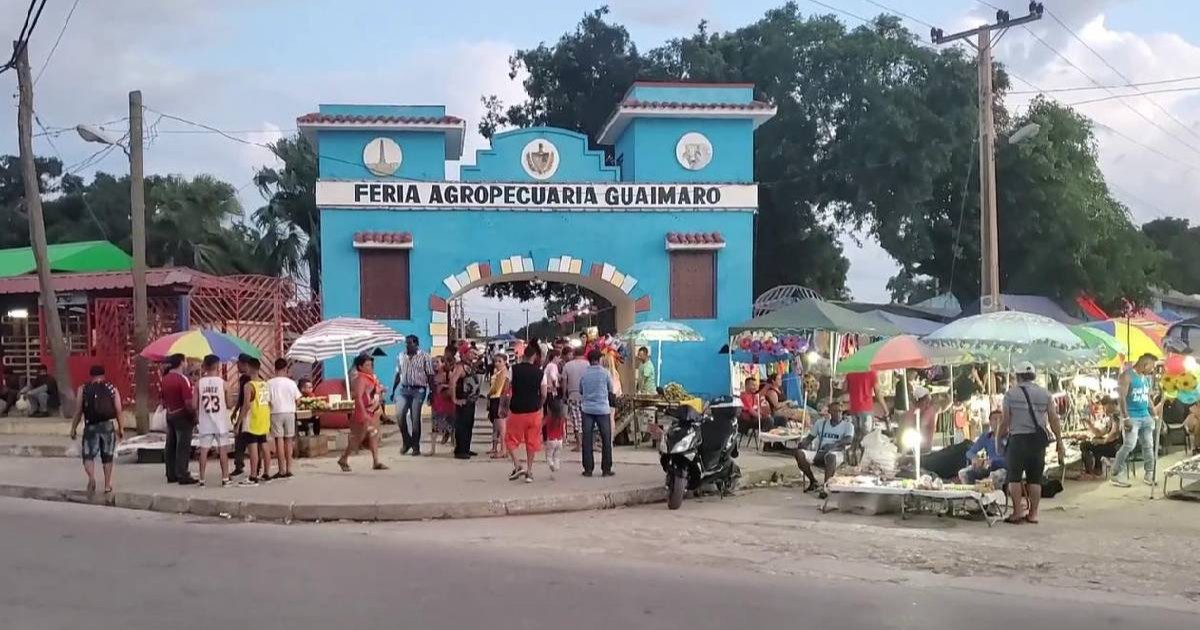
In Guáimaro, a municipality in the province of Camagüey, the population is facing a complete shortage of charcoal for cooking, while the police and forest rangers are fining charcoal producers who are attempting to craft artisanal charcoal from marabú to address the fuel shortage.
"In Guáimaro, there is no charcoal even to cook an egg. People are desperate, with children and the elderly without hot meals, and meanwhile, the police and the forest rangers are fining the charcoal makers trying to solve the problem with marabú," denounced the user Cubanforever91 on Facebook.
The situation reveals a blatant contradiction within the system: the State does not guarantee reliable electricity—power outages in Cuba have exceeded 20 hours daily—nor does it provide stable access to liquefied gas, yet it allocates resources to punish those who attempt to address these shortages on their own.
"The State does not produce, does not solve issues, does not provide reliable gas or electricity... but it does have time and resources to repress those who try to survive on their own," the same complaint noted.
Marabou is an invasive plant that covers millions of hectares of Cuban land and is considered an agricultural pest. Its conversion into charcoal represents a dual benefit: eliminating the pest and obtaining cooking fuel. However, the forest ranger — the state body responsible for overseeing forestry exploitation — treats this artisanal production as a legal offense.
What aggravates the situation is that the Cuban regime does produce marabú charcoal, but it is mainly destined for export. In May 2023, the company Fernando Echenique from Granma, began exporting marabú charcoal to the European market under the Granmax brand, with a declared capacity of over 1,000 tons annually. That same year, the company Agropecuaria Horquita from Cienfuegos delivered four containers —240 tons— for export under the CARBOMAD brand.
Of the approximately 300 tons of marabou coal planned for production, only 50 were officially allocated to the domestic Cuban market. The outcome is predictable: by the end of 2024, the price of coal skyrocketed to between 900 and 1,400 pesos per bag in the informal market.
The energy crisis has hit Camagüey particularly hard. In July 2025, a dairy facility in Guáimaro could only operate when “the power comes back,” and a fishing company from Sibanicú resorted to drying fish in the sun and in brine due to a lack of electricity and ice.
In June 2025, Díaz-Canel acknowledged that the blackouts reached up to 20 hours, and in October of that year, Cubans reported that the Electric Union was deceiving them about the actual duration of the outages.
"That's enough. This is not a 'temporary blackout'; it's the day-to-day reality of a country destroyed by real socialism. The Cuban people can no longer endure this planned misery," concluded the statement issued from Guáimaro.
Filed under: