
Related videos:
A total of 13,414 immigrants from Cuba submitted asylum requests in Brazil between January and April 2026, according to data from the International Migration Observatory (OBMigra), reinforcing Cubans as the largest nationality seeking asylum in the South American country.
That figure represents 58% of all asylum applications (22,938) registered in Brazil during that period, a proportion that reflects the scale of the Cuban exodus towards that destination.
However, despite the massive volume of procedures, no Cuban citizen obtained formal recognition of refugee status from the National Committee for Refugees (Conare) during the first months of 2026.
On the contrary, 468 applications were extinguished—either archived or canceled—and one previously granted refugee status was revoked. According to the same source, Conare granted only 12 extensions of refugee status.
The distribution of asylum applications by month was relatively uniform: in January, there were 3,448; in February, 2,814; March recorded the highest figure at 3,617, and April had 3,535.
More than half of the requests in the four-month period came from Roraima (7,687), a state in northern Brazil bordering Guyana, followed by the state of Paraná (1,377), which borders Paraguay, and Amapá (1,354), also in the north.
The main entry points were border towns in the northern part of the country: Boa Vista, in Roraima, topped the list with 7,567 applications, followed by Oiapoque, in Amapá, with 1,340; and Pacaraima (Roraima), with 117. There were also significantly high numbers of requests in Curitiba (Paraná), with 973; Florianópolis (Santa Catarina), with 437; and São Paulo, with 350.
The pace of the first quarter indicates an annual figure that could exceed 40,000 applications for the second consecutive year, in a trend of sustained acceleration that triggered Cuban emigration in Brazil to 40,000 applications in 2025, an increase of 88% compared to the 22,288 recorded in 2024.
Between 2010 and 2024, Brazil had received a total of 52,373 Cuban applications over 14 years, a figure that was nearly matched only between January and September of 2025.
The phenomenon is attributed to two converging factors: the accelerated deterioration of living conditions in Cuba—chronic blackouts, inflation, shortages of food and medicine, political repression—and the near-total shutdown of legal pathways to the United States under the Trump administration, which reduced irregular encounters of Cubans at the US border by 99%.
The most common route to reach Brazil departs from Cuba by plane to Georgetown, the capital of Guyana—the only country in the region that does not require a visa for Cubans—and continues overland to cross the Tacutu River into Roraima, in northern Brazil.
That border area has become the scene of ongoing police patrols aimed at curbing the irregular entry of immigrants. Throughout May, crossings by Cuban migrants at various points in Roraima's geography have been frequent, according to official reports cited by local press.
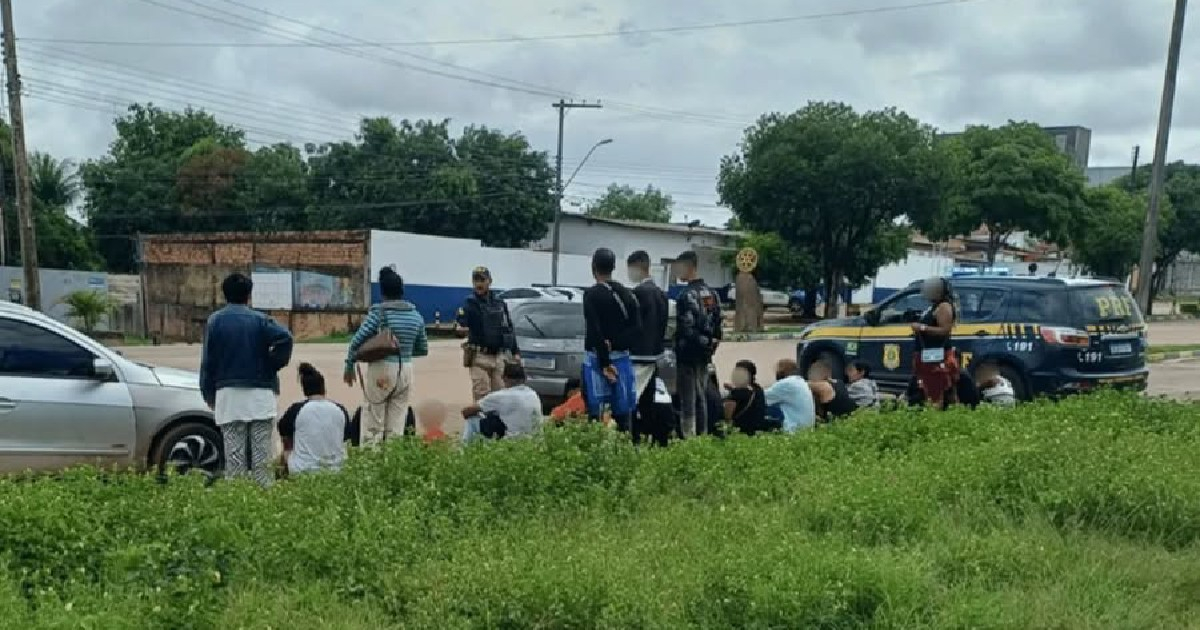
In one of the most recent incidents, on May 28, the Federal Highway Police found nine Cubans overcrowded in a vehicle designed for five people on the BR-401 highway. The driver was arrested for promoting illegal immigration.
Brazil currently hosts around 84,000 Cubans, according to data from the Ministry of Justice, and allows them to apply for asylum at the border without requiring a visa, making it an alternative in light of the closure of other migration routes, in a context where Cubans have abandoned the "American dream" and the exodus to South America is growing.
However, the process before the Conare can take more than five years, and the effective recognition as a refugee is minimal. "What is crucial to receiving asylum is to demonstrate with verifiable evidence that one has suffered or could suffer persecution," explained Alexei Padilla Herrera, a migration consultant and professor at Diáspora Consultoría, based in Brazil.
Filed under: