
Related videos:
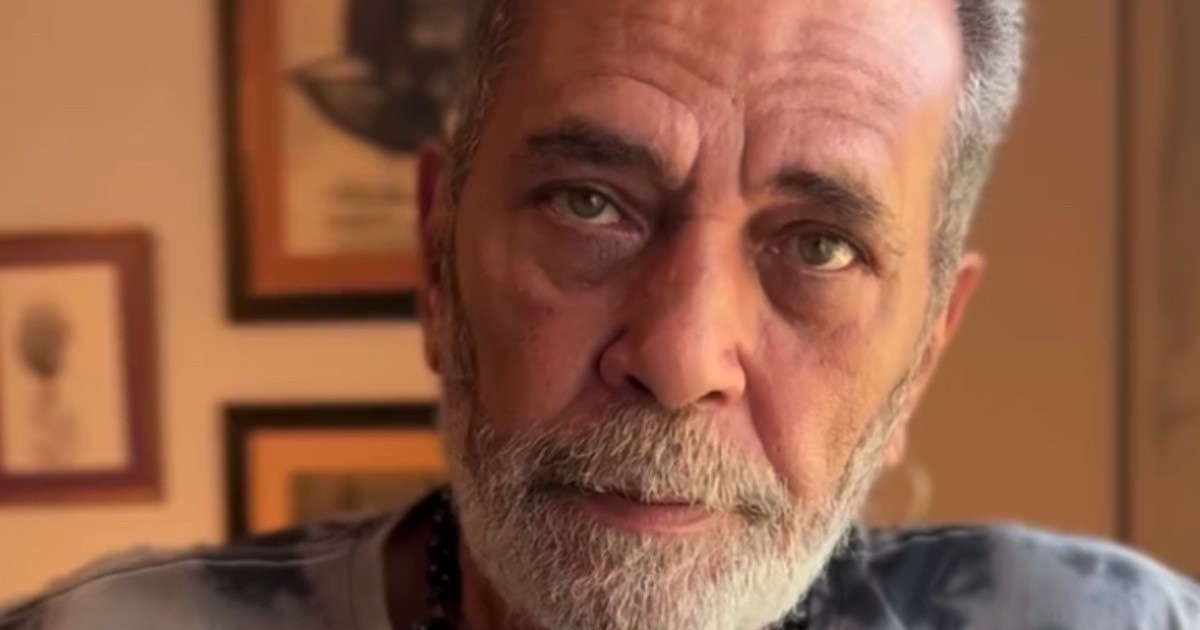
The Cuban actor Luis Alberto García Novoa posted a sarcastic reflection on Facebook this Thursday about the impossibility for Cubans to enjoy the upcoming 2026 World Cup due to the electrical crisis that is paralyzing the island, and coined a phrase that summarizes the situation with dark humor: "The first territory in the world free of the World Cup!".
The expression is a direct parody of the proclamation made on December 22, 1961, when Fidel Castro declared Cuba “Literacy Free Territory” at the conclusion of the National Literacy Campaign. García’s irony subverts the triumphant revolutionary logic: if Cuba was “the first territory free” of something negative back then, in 2026 it would be “the first territory free” of something that the rest of the world enjoys, not by merit but due to collapse.
"We're going to be in a lot of trouble. Too much trouble because the blackouts have evidently come to stay for 62 millennia," the actor wrote on his profile.
García detailed the obstacles that will prevent Cubans from participating in the tournament: chronic power outages, photovoltaic parks that "are in a very dysfunctional relationship with the aging thermal power plants and are going to court for a legal divorce," and the suspension of VISA and MASTERCARD cards, which he described as "more useless than the People's Power."
That last blow came precisely this Thursday, when Fincimex suspended operations of VISA and Mastercard cards in Cuba, also removing the option to pay in hotel lobbies to watch the matches.
"With the bad news that VISA and MASTERCARD credit and debit cards are more useless than the People's Power... and the exodus of hotel owners, it will become difficult to watch the matches in the lobbies of those establishments," he remarked.
In light of that situation, the actor proposed an ironic solution: "I suggest that those of us who have power during the hours assigned by the lottery inform on social media about the partial results of each match and the scorer of each goal."
And he finished with another remark: "Let's see... we'll also be able to watch the games on delayed transmission in OCTOBER or February. Let's not be so demanding."
The post generated dozens of responses from Cubans that ranged from laughter to tears. "I died with the first free territory of the World Cup... I don't know whether to laugh, cry, or go outside right now to bathe in the downpour under the storm and catch a lightning bolt to store energy for the World Cup," wrote one follower. Another added, "The saddest thing is that it will even be seen in Burundi." A third declared, "Congratulations, you've scored the first goal of the World Cup."
The energy crisis described by García is verifiable: this Thursday, the Cuban electrical system was operating with only 1,020 MW available compared to a demand of 2,570 MW, with a projected deficit during peak hours of 1,885 MW.
It's not the first time the actor has denounced the situation. On June 3, he ironically questioned the luxury party "Beginning of Summer 2K26" held in Varadero, featuring VIP tables at $600, while millions of Cubans endured power outages lasting over twenty hours.
On June 1, he described the weekend blackouts as something “specifically designed to register as a dissident,” noting that he only had between two to four hours of electricity per day during the previous week.
The 2026 FIFA World Cup, which will take place in the United States, Canada, and Mexico, kicks off on June 11 at the Estadio Azteca in Mexico City and concludes on July 19 in New York, precisely during the peak of the Cuban energy crisis, when the summer heat spikes electricity demand on the island.
Filed under: