
Related videos:
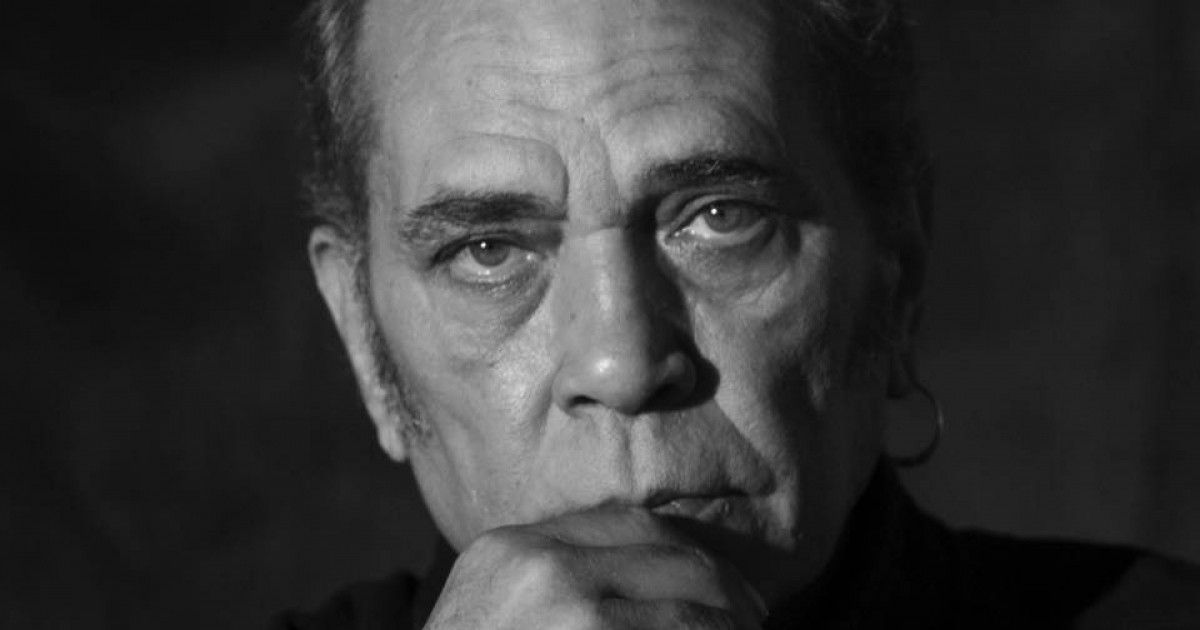
The Cuban actor Luis Alberto García denounced, with irony and frustration, the catastrophic electrical situation that Cuba experienced on Saturday and Sunday, describing those 48 hours as the worst of an already devastating week.
"What's happening this weekend had NO END," wrote the renowned performer on his Facebook profile.
García explained that during the previous week he only received between two and four hours of electricity each day, but that over the weekend he even exceeded that threshold of precariousness.
"Three, four, two hours of electricity in 24 hours for the past week, but this weekend they designed it especially for registering as a dissident," he wrote, in a phrase that summarizes the accumulated frustration of someone who has been denouncing the crisis from within the Island for months.
The data from the Electric Union confirms the seriousness of what the actor describes.
On May 31, the system had only 1,170 MW available compared to a demand of 2,700 MW, with a projected peak hour deficit of 1,930 MW. The maximum impact the previous day had reached 1,976 MW at 10:30 PM.
Furthermore, 106 distributed generation plants were out of service due to a lack of fuel, totaling 890 MW.
The Antonio Guiteras thermoelectric plant, the most powerful in the country, once again went offline from the National Electric System on May 30, just 36 hours after being reconnected, further worsening the collapse from the weekend.
Public discontent was also expressed in the streets. Cacerolazos in Cayo Hueso, Central Havana, and in neighborhoods of Santiago de Cuba such as Micro 3 and El Salao marked that same weekend as one of the most tense of the year in terms of civic protest.
García's complaint is not isolated.
On May 25, he raised concerns about 20 consecutive hours without electricity and the suffering of children. Two days later, he questioned the use of state fuel for political events while the country remained in darkness: "Is there fuel or not? Is gasoline and oil ideological?"
In March 2026, García declared that the country is "hitting rock bottom" and that "we don't see the end of this very dark tunnel at the moment."
Filed under: