
Related videos:
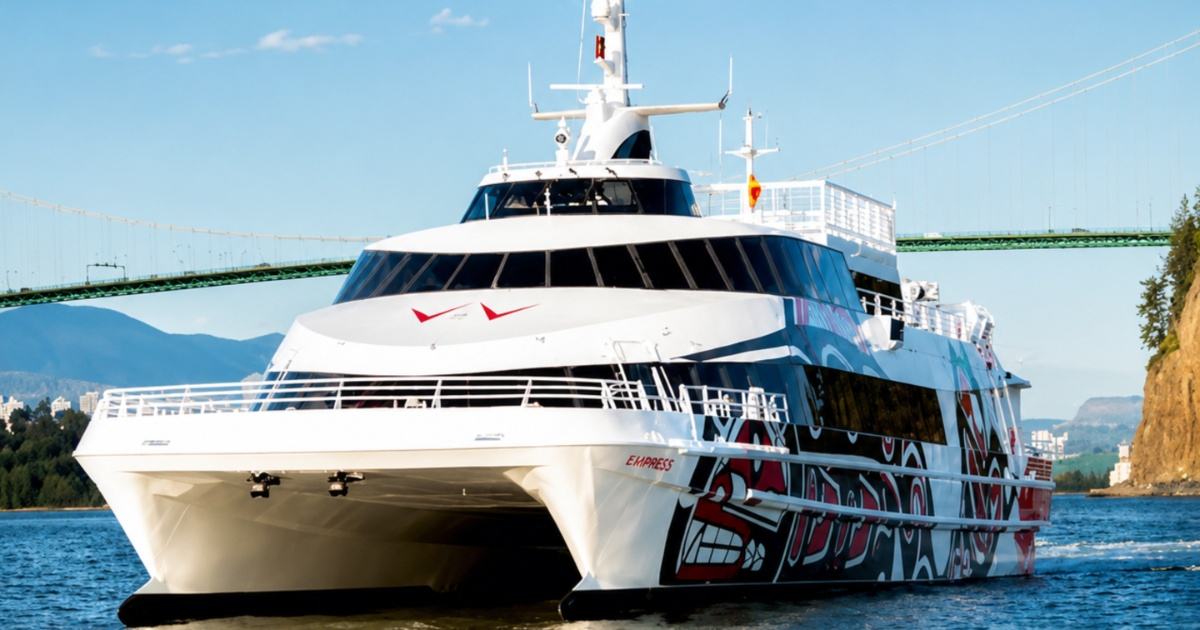
Dozens of passengers were stranded for more than 12 hours at the port of Batabanó on the night from Friday to Saturday, waiting for the catamaran V2V Empress which was supposed to set sail to Isla de la Juventud after a series of fuel supply failures by the state-owned company CUPET.
According to the official information note from the Empresa Prácticos de Cuba, the original plan included CUPET delivering a diesel boiler at the port of Batabanó before 1:00 PM on Friday, June 5, prior to the arrival of the catamaran.
However, the supply team experienced a breakdown that delayed the operation. The V2V Empress arrived in Batabanó at 3:40 PM, but fuel was not available.
When the equipment was finally repaired and charged, "at 7:40 PM, it experienced the same technical failure again," as acknowledged by the official report itself.
The diesel tank did not arrive at the port until 1:00 AM on Saturday, June 6. The vessel finally set sail at 3:00 AM, over 12 hours late compared to the scheduled time.
During the long wait, Prácticos de Cuba and the company Viajero implemented palliative measures: they placed children, women, and the elderly on board the vessel and provided them with food.
In addition, the power generation plant at the port was activated "due to the lack of electricity service in that municipality," a detail that illustrates the double precariousness faced by passengers that night.
The incident occurs within the context of a fuel crisis that has already forced a reduction in frequencies for buses, trains, ferries, and domestic flights.
The Ministry of Transport announced on May 16 that the Nueva Gerona–Batabanó route would operate only on Saturdays starting June 20, instead of the current two weekly trips.
The V2V Empress, which began operations on September 29, 2025 with capacity for 240 passengers and tickets priced at 200 Cuban pesos, operates this route as a complement to the ferry Perseverancia, a vessel that has also faced recurring suspensions due to fuel shortages and technical issues.
In May 2026, the local government of Isla de la Juventud requested citizen assistance to obtain parts and repair the Perseverancia.
In its statement, Prácticos de Cuba attributed the logistical difficulties to "the contingency situation the country is experiencing," referring to the fuel shortage.
Cuba produces only about 40,000 barrels of oil daily compared to a need of 100,000, and as of 2026, only two tanker ships would have officially unloaded, according to a report from Infobae dated May 14.
Cuba's practical providers and VIAMAR issued public apologies for the inconveniences and announced that CUPET and GEMAR "will analyze additional measures to avoid or minimize the impact on this type of service."
Filed under: