
Related videos:
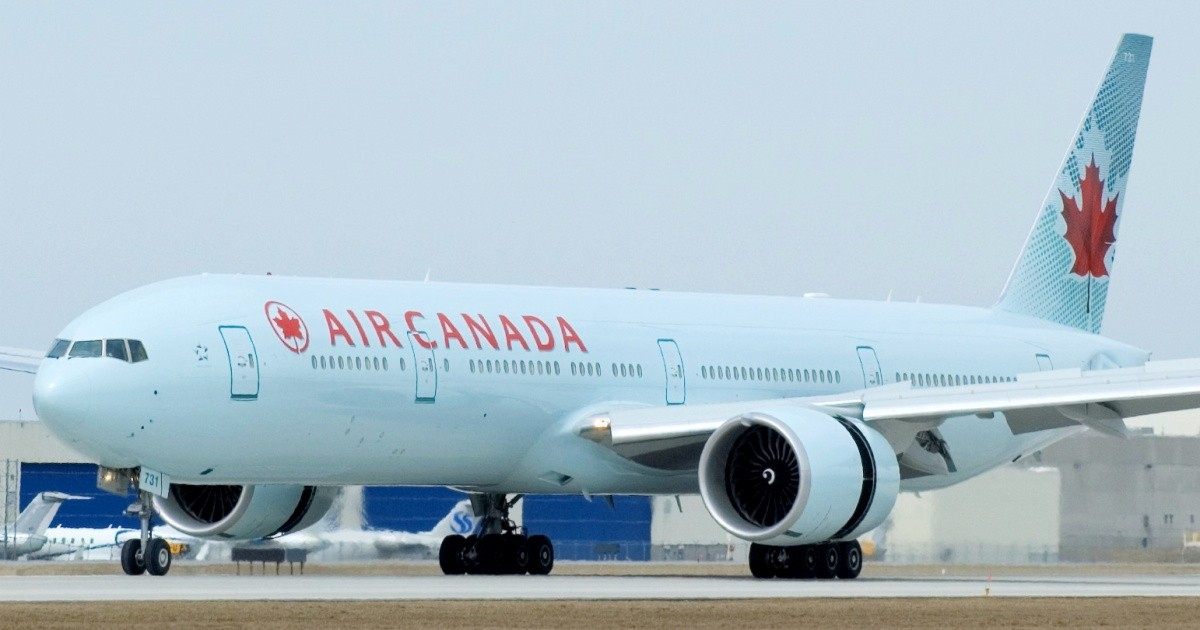
Air Canada, WestJet, and Air Transat, the three main airlines in Canada, announced the indefinite suspension of all their flights and vacation packages to Cuba, with no date for resumption, which represents a devastating blow to the island's tourism.
The three companies had suspended operations in February 2026 and were planning to resume them in the fall of this year.
Air Canada had set November 1 as a tentative date; WestJet and its division Sunwing Vacations, until October 9; Air Transat, until the end of October.
None of those dates will be met.
The reasons for abandonment
The spokesperson for Air Canada, Peter Fitzpatrick, cited the "ongoing political and economic uncertainty" in Cuba, in statements reported by The Globe and Mail.
In a statement published on its website, WestJet described the suspension as a "difficult decision" driven by the "current operational environment" on the island.
“We acknowledge that this news may be disappointing for customers and travel agents, especially considering the strong connection many Canadians have with Cuba and its people,” the airline admitted.
"Cuba has long been a beloved destination for our passengers, and we are aware of the challenges currently faced by local communities, tourism workers, and sector partners," the document adds.
In the case of West Jet, guests with travel bookings that include only flights for this winter will be notified of the flight suspensions starting June 21, and they will be provided with options for refunds and changes.
Guests with existing vacation package reservations with Sunwing, WestJet Vacations, and WestJet Vacations Québec will be contacted directly and offered options, including the possibility of booking an alternative destination or canceling for a full refund.
WestJet, however, did not completely close the door: "The airline remains optimistic about the island's path to long-term recovery and its return as one of Canadians' favorite leisure destinations."
The statement from Air Transat, also published on its website, was more concise.
"Due to the current geopolitical situation in Cuba, we must suspend our operations for an indefinite period. We will contact affected customers directly whose travel plans have been impacted to present them with the different available options," stated the airline
"We apologize for the inconvenience caused and thank our customers for their understanding. We will continue to closely monitor the situation and will communicate any relevant updates as soon as possible," the document adds.
The spokesperson for Air Transat, Andréan Gagné, confirmed to the local press that the airline will deploy its aircraft to other destinations next winter. "We did not make this decision lightly," she clarified.
The collapse of Canadian tourism
Before the downfall, Canada was the largest source market for tourists to Cuba, accounting for over 41% of visitors in 2025.
Last year, 754,000 Canadians traveled to the island, compared to 860,000 in 2024.
By 2026, that figure has plummeted to nearly nonexistent levels.
In March, only 511 Canadians visited Cuba, compared to 98,663 in the same month of 2025, representing a decline of 99.48%.
Cuba received only 328,608 international visitors in the first quarter of 2026, a decrease of 55.8% compared to the same period in 2025.
The hotel occupancy rate does not exceed 10%, a level at which no establishment generates profits.
Canada advises against traveling to Cuba
At the same time, the government of Canada has advised against non-essential travel to Cuba, warning of shortages of food, water, and essential goods, which even affect tourist resorts.
They have also emphasized that power outages occur daily and that hotels relying on generators could run out of fuel.
"Commercial flights remain available through international airlines; however, they may become limited with little notice. You should consider departing while options are still available," warns the travel advisory from Ottawa.
Despite the massive abandonment, the Cuban Ministry of Tourism states that 20 international airlines are still serving the island.
The context that precipitated the decision
The immediate trigger for the stampede was the enactment last Thursday of President Donald Trump's executive order that freezes the U.S. assets of foreign companies and individuals doing business with the Cuban regime.
That day marked the deadline for foreign companies to sever ties with GAESA, the Cuban military conglomerate that controls a significant portion of tourism and finance on the island.
Trump also imposed personal sanctions against Miguel Díaz-Canel and his family, along with other entities and officials of the regime.
The exodus from the international tourism sector was already underway.
The chains Blue Diamond Resorts, Meliá Hotels International, and Iberostar had announced days earlier their departure from Cuba, affecting dozens of hotels and thousands of rooms.
The Sunwing group also definitively suspended all its travel packages to the island.
The crisis erupted in February 2026, when Trump ordered a naval blockade that cut off the supply of aviation fuel to Cuba, including Venezuelan oil— the island's main energy source— following a U.S. military operation in Venezuela.
Filed under: