
Related videos:
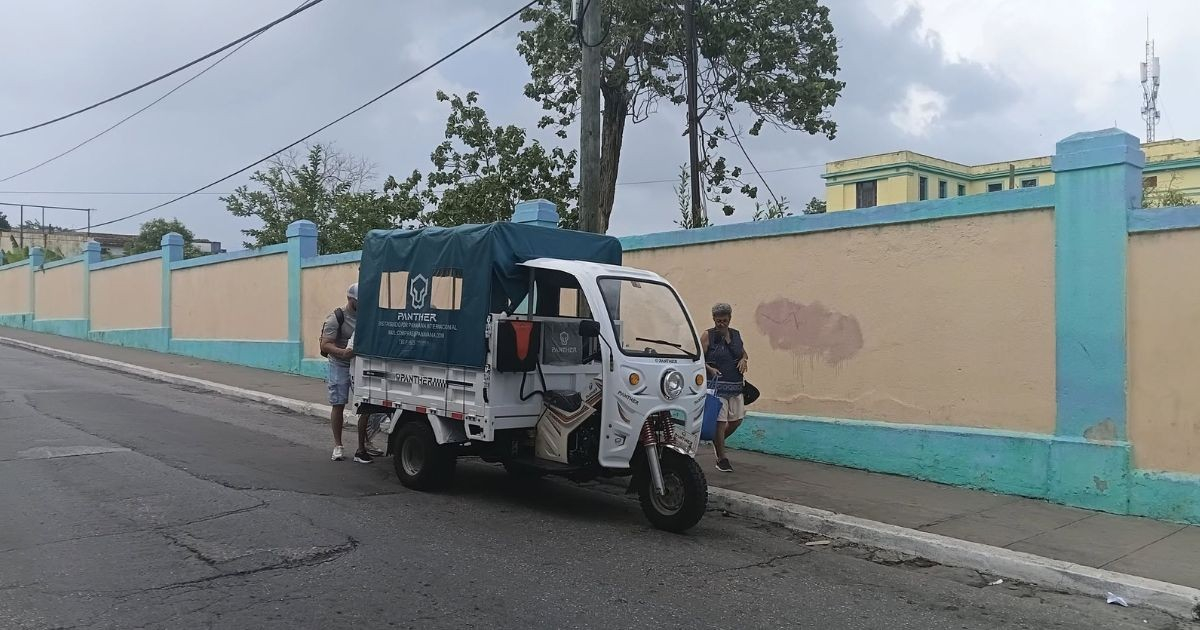
Private electric tricycles in Matanzas raised their fares simultaneously this Tuesday, now charging 150 pesos from the Pre-University to the Terminal and 300 pesos to Peñas Altas and vice versa, according to a report by journalist Yuni Moliner denounced.
"Yesterday was one price, today it's another. They all came to an agreement," wrote Moliner, who warned that the increase "is simply unsustainable" for those who rely on these vehicles to get to work, school, or hospitals.
The increase occurs in the context of a collapse of public transport in the province.
In September 2025, only 63 out of 129 buses were operational in Matanzas, just 48.8% of the available fleet, and by February 2026 the system was practically paralyzed, with no urban or intermunicipal routes.
In light of this void, private tricycles have become the main mobility alternative for thousands of residents in Matanzas, but their prices are set without effective regulation and are directly influenced by the informal exchange rate.
The informal dollar reached 625 Cuban pesos last Monday, after hitting a historic record of 600 pesos on June 3, which directly increases the cost of batteries and spare parts that operators purchase at dollarized prices.
The commentator Alexis Conde explained it frankly: "The problem is that a battery costs the owners more than 500 or 600 thousand pesos, depending on the value of the dollar. How can the owner recover that money by only charging 150 pesos per segment?"
Other users defended the same logic. "Stop criticizing those who have a tricycle, because even though it's expensive, it is providing the transportation that no state agency can guarantee. All the components have to be paid for in dollars," wrote Alfre Sebastián González.
However, indignation prevailed among those who pointed out that wages do not keep pace with the rising prices. "How can people work if they spend more on transportation than they earn daily from their labor?" asked María Elena Bayón Mayor.
The state minimum wage remains at 2,100 pesos per month and the minimum pension at 1,528 pesos, figures that have not changed since 2021 and represent an insignificant fraction of the actual cost of living, according to data on the impossible prices faced by Cubans.
The comments on the post also reflected an inflationary spiral that exceeds transportation costs: rice at 300 pesos per pound, oil at 1,600 pesos for 900 ml, pork prices jumped from 750 to 900 pesos in a week, and bread at a bakery in the city increased from 25 to 45 pesos.
Marta Martínez raised the question that many are asking: "How could retirees walk from Camínar, Gelpis, Peñas Altas, and other places to the Contreras bank to collect their pension, or to the hospital?"
Several commentators agreed in pointing to the regime as ultimately responsible for the situation. "If the state doesn't put a stop to this, the only thing left for the average Cuban is to risk their life walking, because salaries remain the same," summarized Marilina Muñiz.
The year-on-year inflation in Cuba reached 14.73% in April 2026, with the food category accumulating 18.16%, while the transportation component recorded the highest monthly increase in February, at 8.78%, according to official data on inflation in Cuba during the first quarter.
Filed under: