
Related videos:
The U.S. Department of State denied this Wednesday that it had authorized Vanguard Energy, a company based in Coral Gables, Miami-Dade County, to sell fuel to Cuba, amid a growing controversy over the legality of the agreement the company signed with a Cuban importing agency.
The official statement, reported by journalist Nora Gámez Torres from the Miami Herald, was clear: "Vanguard Energy has not received any U.S. license for this transaction. The sanctions imposed by the Trump administration remain in effect in the absence of specific guidance or a contrary license."
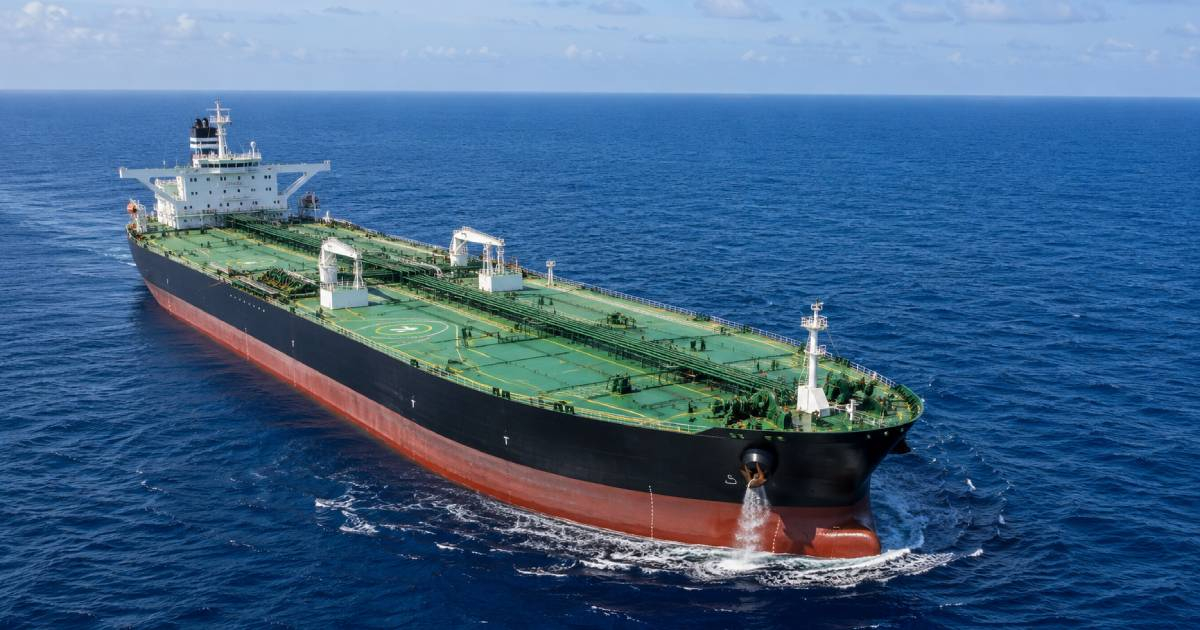
The denial comes hours after the Miami Herald and Bloomberg reported that Vanguard had signed a contract to lease storage facilities from CUPET and send more than 250,000 barrels of regular gasoline and diesel per trip on tanker ships, in what Bloomberg described as the largest shipment of U.S. fuel to Cuba since the Eisenhower era.
However, Gámez warns that Vanguard Energy's position is different. The company maintains that it does not need a specific license because the U.S. government has already issued guidance that authorizes fuel sales to the private Cuban sector.
This guide was published on February 25, 2026 by the Department of Commerce, under the exception "Support for the Cuban People," and allowed the export of petroleum products to the Cuban private sector without requiring an individual license, as long as the sales do not benefit the government, the armed forces, or sanctioned entities.
The contradiction between U.S. government agencies — Commerce versus State — is at the heart of the conflict. The Department of Commerce opened the regulatory pathway in February, but now the Department of State asserts that the sanctions from the Trump administration remain fully in effect.
The lawyer Augusto Maxwell from the Akerman law firm in Miami defended the legality of the agreement.
"This is not an agreement in which we hand over the fuel to CUPET; it actually establishes a physical presence on the island, where a person subject to U.S. law has the right to inspect the fuel, has title to it, and it is only distributed once payment is made in the United States," he stated.
Vanguard claims that the fuel will be sold exclusively to the private sector in Cuba, humanitarian and religious organizations, and entities such as the U.S. Embassy in Havana, and that payments will not go through the Cuban banking system.
A key agreement in Cuba's worst energy crisis
Since January 2026, the supply of Venezuelan oil was interrupted following the capture of Nicolás Maduro, and Mexico halted its shipments due to fears of U.S. tariffs.
The electricity deficit in Cuba exceeded 2,000 MW, with blackouts lasting up to 22 hours daily, and the Cuban Conflict Observatory recorded 1,311 protests in May.
Vanguard had already been sending fuel to Cuba in tank containers since February 2026, accumulating 11.6 million dollars in exports in the first quarter.
The new agreement would represent a qualitative leap: from 6,900-gallon containers to ships carrying over 250,000 barrels per trip, with a frequency of once a month or every 40 days.
In May, Secretary of State Marco Rubio announced new sanctions against GAESA, the Cuban military conglomerate, which reinforces the Trump administration's stance of maximum pressure on the regime and further complicates the legal future of the Vanguard agreement.
Filed under: