
Related videos:
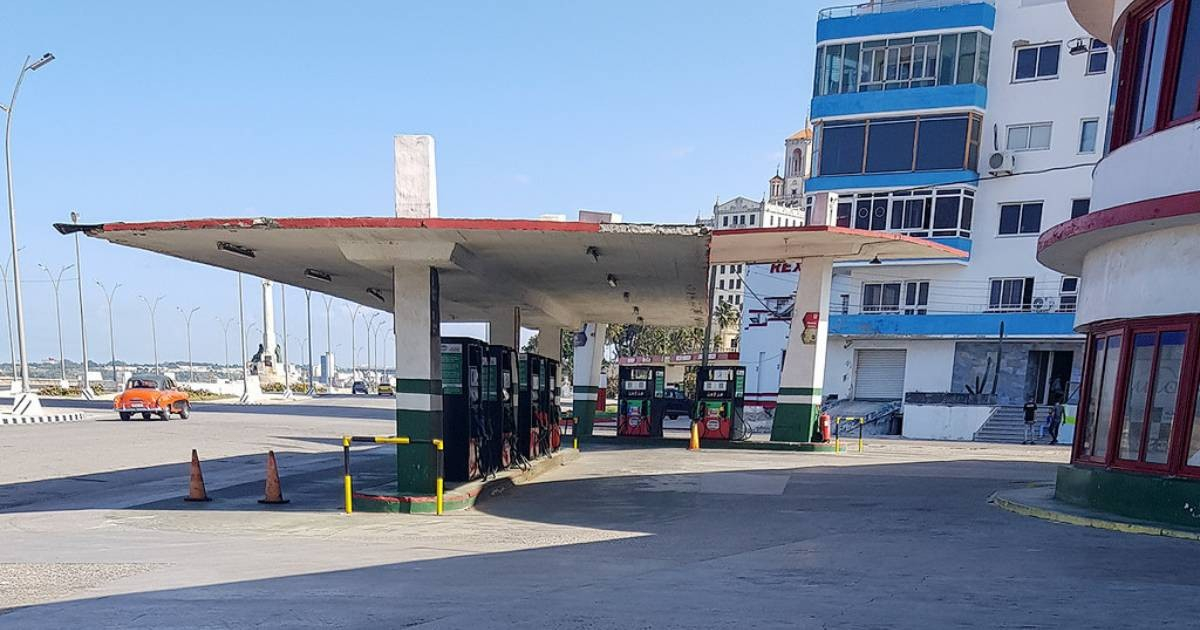
While Cuba is experiencing one of the worst energy crises in its recent history, a company from Florida is negotiating what could become the largest shipment of American fuel to the island since the triumph of the Revolution, reported Bloomberg.
Vanguard Energy, based in Coral Gables, seeks to transport around 250,000 barrels of gasoline and diesel to Cuba, intended exclusively for the private sector. If realized, this operation would mark a milestone in trade relations between the two countries and could partially alleviate the fuel shortages that contribute to the prolonged blackouts on the island.
The project includes the shipment of 100,000 barrels of regular 87-octane gasoline and 150,000 barrels of diesel per trip, with an estimated frequency of one operation every 30 to 40 days.
According to calculations cited by Bloomberg and attributed to U.S. officials, the gasoline included in the shipment would be enough to cover nearly 11 days of normal consumption in Cuba.
The proposal comes at a critical moment. The country currently generates less than 1,000 megawatts of electricity, just about a third of the approximately 3,000 megawatts needed to meet national demand. As a result, numerous localities are facing blackouts of up to 20 hours a day, while some areas in eastern Cuba have reported interruptions exceeding 40 consecutive hours.
The president of Vanguard Energy, Matthew Klann, stated that the company already has the approval of the Cuban authorities to move forward with the initiative.
"We aim to bring in a reasonably sized vessel, with more than 250,000 barrels of diesel and regular 87 gasoline, to store them in a tank," he explained.
To this end, the company signed a five-year lease agreement with an entity linked to the Union Cuba-Petróleo (CUPET), which will allow it to utilize storage facilities on the island. Additionally, it has preliminarily secured a supply from a Texas refinery and a U.S.-flagged vessel to carry out the shipments.
One of the most striking aspects of the project is its commercial structure. Vanguard claims that it will retain ownership of the fuel stored in Cuba at all times and that sales will be made exclusively to private actors, without transferring the product to the Cuban government or using the island's banking system for payments.
The company argues that it can operate under the "Support for the Cuban People" exception, a provision issued in February by the Bureau of Industry and Security of the Department of Commerce that permits certain exports aimed at the Cuban private sector.
However, that interpretation faced a setback this Wednesday when the State Department stated that Vanguard Energy has not received any specific license for the operation and reminded that the existing sanctions against Cuba remain fully enforced.
The discrepancy has raised questions about the legal viability of the project and has highlighted differences of opinion within the U.S. administration regarding the scope of the trade exceptions allowed for Cuba.
Attorney Augusto Maxwell from the Akerman law firm, which advises the company, defended the legality of the structure designed for the business.
"This is not an agreement where we hand over the fuel to CUPET," he explained. "It establishes a physical presence on the island where a person subject to U.S. law retains ownership of the fuel, which is only distributed once payment is made in the United States."
If the project finally receives the green light, it would become the largest shipment of U.S. fuel to Cuba since 1960, when the Dwight Eisenhower administration suspended oil trade with the island following the nationalizations initiated by Fidel Castro's government.
The initiative arises in a context of severe deterioration of the Cuban energy supply. The reduction of supplies from Venezuela and the suspension of shipments from Mexico have worsened the challenges in maintaining electricity generation and ensuring fuel supply in the country.
Until now, imports of U.S. fuel to Cuba had been limited to small operations using isotanks with capacities close to 150 barrels. Between January and March of this year, the island imported U.S. fuels valued at 11.6 million dollars under this scheme.
For Klann, the project could pave the way for a gradual transformation of the Cuban energy market.
"As the process progresses and it becomes clear that it is functioning and can be audited, it is expected that more private companies will be able to enter, that gas stations can be sold to the private sector, and that an energy market will flourish once again," he stated.
Filed under: