
Related videos:
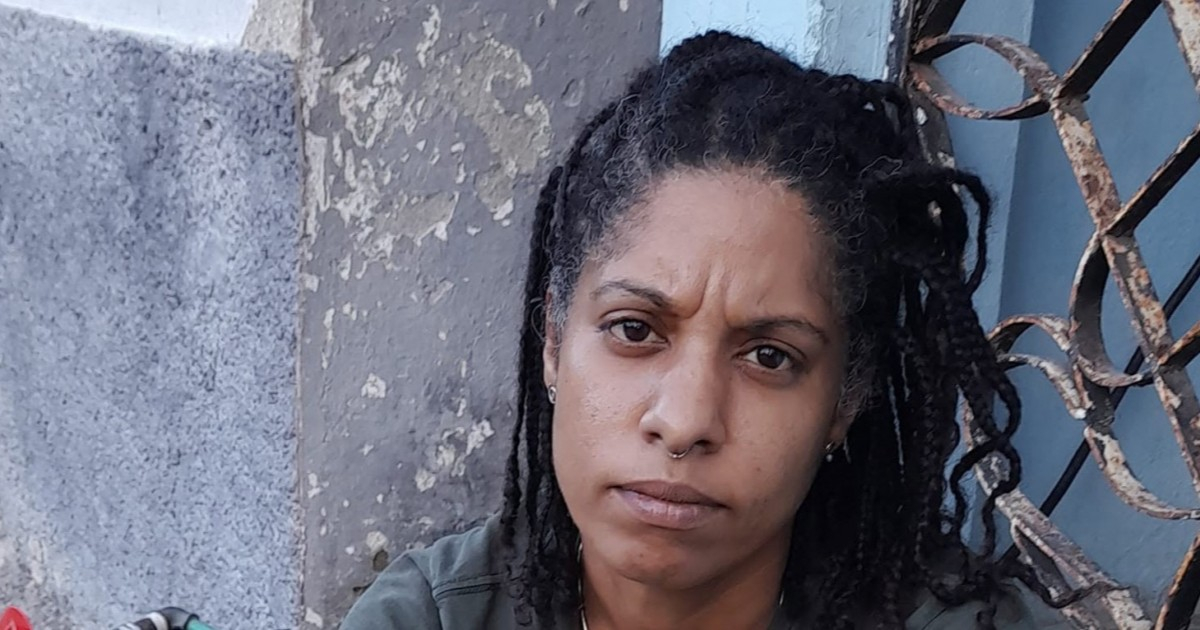
A Cuban mother from the Zamora neighborhood in Marianao, Havana, shared an apparently everyday anecdote on Facebook that turned into a devastating political metaphor: two children under the age of 10 accomplished in minutes what the governments of Cuba and the United States have not achieved in months of negotiations.
Zea Gisselle shared how two children from her neighborhood - Luca and Neymar, named in honor of athletes - catch lizards to sell them as food for cats, an activity that emerged as a direct response to the crisis of scarcity that makes it nearly impossible to feed pets in Cuba.
"I would have never imagined that dwarfs who are no older than 10 would learn the art of negotiation so quickly," he admitted.
She asked them what they wanted the money from the sale for, and they replied that they wanted to buy candies and sweets. “(Oh damn, a hostile country that forbids childhoods),” the woman lamented.
Zea negotiated with the locals for the release of three lizards in exchange for 800 Cuban pesos and yogurt, and agreed that they would not hunt in her garden after explaining the importance of lizards in eliminating harmful creatures such as cockroaches, flies, and mosquitoes.
The children accepted without hesitation.
"I think that if since last January 'those from over there' and 'those from over here' have been 'negotiating' Cuba's freedom, they have not succeeded and have yet to reach an agreement because THEY DO NOT KNOW HOW TO BE 'GREAT' LIKE CHILDREN. They should take a cue from the dwarfs in my neighborhood," the author wrote.
The final sentence of the post leaves no room for interpretation: "Negotiate and reach an agreement, as we are running late."
The post arrives at a time of extreme exhaustion for the Zamora neighborhood.
On June 5th, their neighbors erupted in protests with pots and pans after six consecutive days of 21-hour power outages and no running water.
Zea Gisselle is not a new voice. In May, she published a heartbreaking testimony about the protests that shook nine municipalities in Havana: "Cuba is at war, which is the defenseless people against the State."
On June 1, she reported the detention of a neighbor, Yansis Valladares, for asking for food for her son, whom the police accused of assaulting the child in an attempt to shift the blame. In March, she raised concerns about police surveillance and summonses for mothers in the neighborhood following protests over blackouts.
The political background that underlies their post is specific.
Cuba and the United States are holding conversations that Díaz-Canel himself acknowledged on April 22 as "very preliminary," discarding any negotiations on changes to the system.
Washington set a 14-day deadline for high-profile releases that expired on April 24 without results. The Cuban ambassador to the UN, Ernesto Soberón Guzmán, was emphatic: "Internal issues regarding detainees are not on the negotiating table."
While the regime blocks any real progress, Prisoners Defenders reported in May a historic record of 1,260 political prisoners in Cuba, with 785 in prison and 475 under other forms of restriction.
The Cuban Observatory of Conflicts recorded 1,245 protests in March—the highest monthly figure since July 11—and 1,133 in April, a 29.5% increase compared to April 2025.
Filed under: