
Related videos:
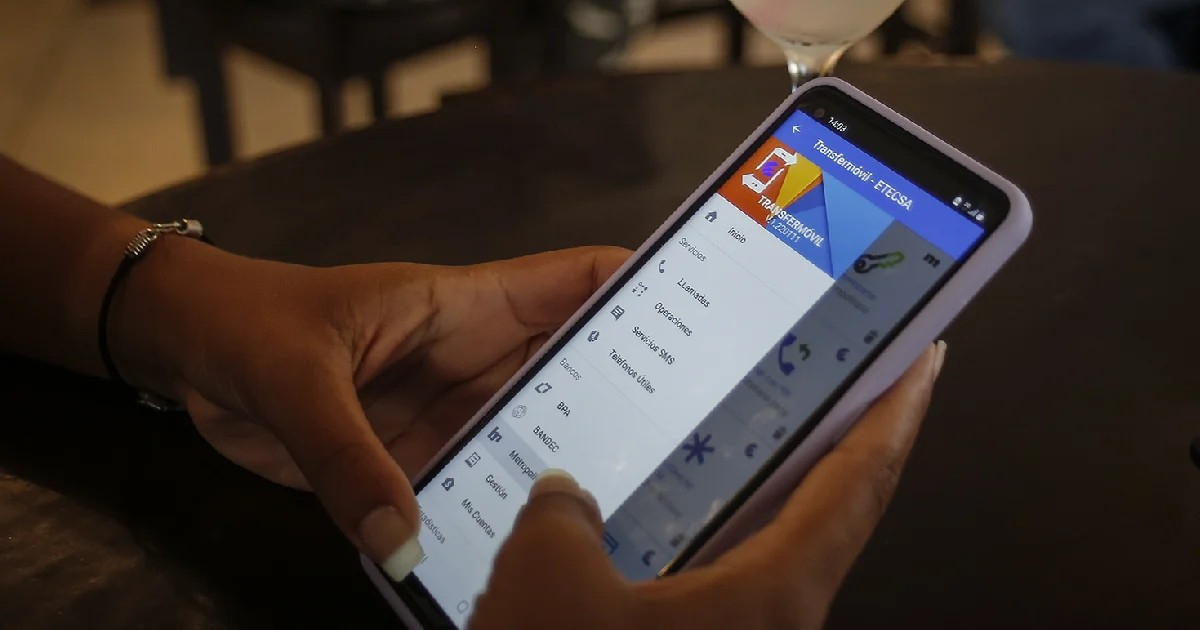
A Cuban woman identified as Jarocha Reyes Vega publicly reported that the restaurant-pizzeria Don Martín, located on the corner of 23 and Crechería in Vedado, Havana, charged her a 10% surcharge for paying via bank transfer, a practice that violates current regulations regarding banking.
The woman recounted that she went to the establishment with her daughter "due to the inability to prepare my own meals" and asked beforehand if they accepted transfers.
The employee confirmed that it was indeed the case, but she warned about the surcharge. When pressed for explanations, the worker replied that the instruction came from the owner of the business, who was not present but instead at another establishment with a similar name on 5th Avenue.
"He clarified to me that they charged 10 percent for accepting the transfer. I asked him where that directive came from, which violates all regulations set by the authorities, and he replied that it was from the owner," wrote Reyes Vega in his post.
The complaint is not limited to that establishment. The author points out that friends have told her that some businesses in Havana charge up to a 20% surcharge for transfers: "Where are the state inspectors who do not see or do not know that this is happening? Some friends mentioned that in certain businesses they charge you up to 20%—how horrible!"
The reported practice directly violates the Resolution 111/2023 of the Central Bank of Cuba, which requires all economic actors to accept bank transfers and electronic payments without additional conditions that discourage their use.
According to the regulations, fines for non-compliance range from 20 to 40 quotas for small businesses, and from 40 to 60 quotas for micro, small, and medium enterprises (mipymes) and cooperatives, with amounts that can reach up to 60,000 pesos. In cases of recidivism, penalties include temporary suspension or permanent revocation of the license and closure of the business.
The national context shows that the problem is structural. In May 2026, less than 10% of private businesses in Sancti Spíritus accepted bank transfers, highlighting the low level of compliance across the country.
This month, authorities seized 380,000 pesos from an alleged cash reseller who was exchanging digital balance for physical bills with a 20% markup, referencing street charges ranging from 30% to 50%.
Reyes Vega also pointed out the use of QR codes linked to personal accounts, a practice that the regulation itself qualifies as tax evasion because it "hinders the National Office of Tax Administration's (ONAT) control over operations."
In April 2024, the Cuban government acknowledged the partial failure of the banking initiative launched in August 2023, and that same year 476 businesses were closed for not enabling electronic payment options.
Citizens facing similar situations can report them through the Single Trade Line (800-22624), the Central Bank of Cuba (800-22622), the email consumidor@mincin.aguiar.cu, or the Citizen Attention Department (7 868 3549).
"Enough of the disrespect towards the people by making our lives more chaotic," concluded Reyes Vega in his post.
Filed under: