
Related videos:
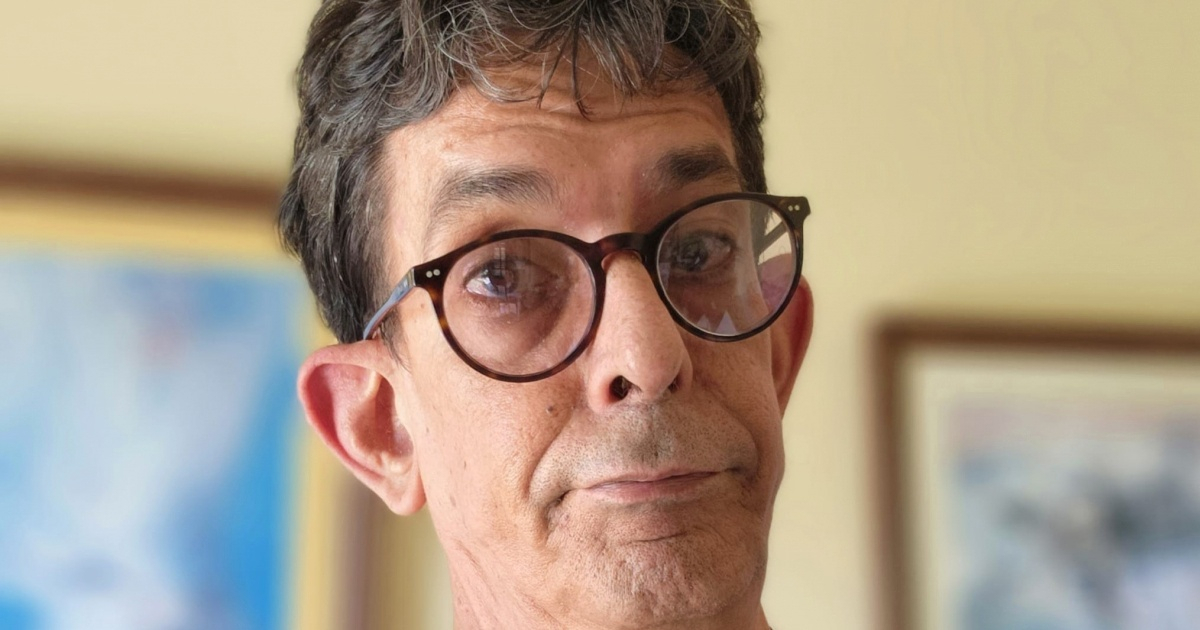
The Cuban comedian Ulises Toirac responded this Wednesday with a piercing remark to the ministerial reform announced by the regime: “I don’t understand what the issue with the Ministries is since there is NOTHING left to 'minister'. Just create one: Ministry of Stubbornness. And to hell with it”.
The comment, posted on his Facebook profile, came days after the National Assembly of People's Power announced a bill that reduces the number of ministries from 27 to 20, scheduled for approval in July 2026.
The post garnered over 7,000 reactions and hundreds of comments in less than 24 hours, becoming a barometer of public frustration with the bureaucratic reorganization of the Cuban state.
The project, signed by Miguel Díaz-Canel and the president of the Assembly, Juan Esteban Lazo Hernández, creates super ministries such as the Ministry of Food and Agriculture —which encompasses agriculture, sugar, fishing, and food industry— and merges the ministries of Economy and Planning with that of Finance and Prices.
One of the most controversial creations is the Ministry of Information and Social Communication, with the authority to manage media, control advertising, and endorse the creation or dissolution of media outlets.
The economist Pedro Monreal criticized the project in a thread of seven posts on the social media platform X, pointing out that this ministry "borders on the idea of a 'Ministry of Truth'," referencing George Orwell's novel 1984.
Monreal also warned that in the new scheme of 20 ministries the ones for Domestic Trade and Construction and Housing are “missing,” two critical areas for the daily life of Cubans.
The irony of Toirac points directly to the heart of the contradiction: the regime is reorganizing its bureaucratic apparatus while Cuba is experiencing an unprecedented crisis.
33.9% of Cuban households reported in 2025 that at least one person went to bed without eating; the country imports between 70% and 80% of its food at a cost of about 2 billion dollars annually.
Egg production dropped from four or five million daily to 1,200,000; blackouts last up to 20 hours in some areas; and the housing deficit exceeds 900,000 units, while in 2025 only 5,493 homes were completed nationwide.
In that context, Prime Minister Manuel Marrero admitted in May 2026 that Cuba "cannot sustain such bureaucracy," although the regime simultaneously created the INAEES, an entity that will concentrate the control of more than 2,000 state-owned enterprises under the Council of Ministers, which analysts describe as an economic recentralization.
Toirac, with 45 years of artistic career and more than 190,000 followers on Facebook, has transformed his profile into a space for social critique that resonates with Cubans both on the island and abroad, addressing issues ranging from blackouts to official propaganda.
The new law will come into effect 60 days after its publication in the Official Gazette, and the ministers will have up to a year to complete the transfers of resources, according to the text of the proposal.
Filed under: