
Related videos:
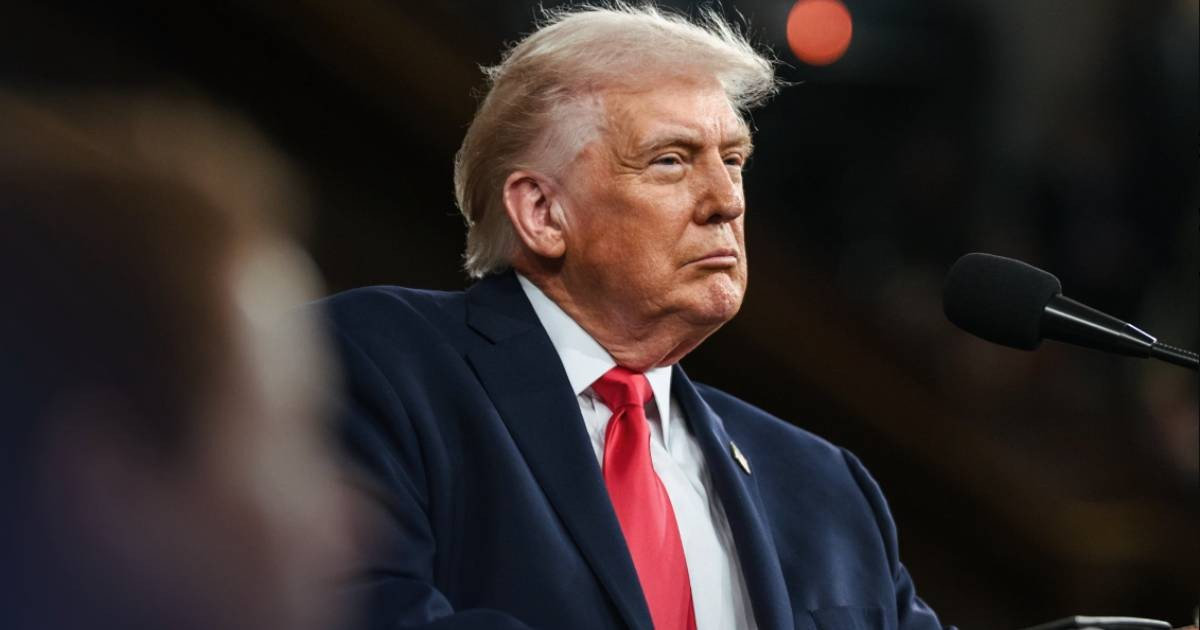
Shortly after Iran ruled out the possibility of signing a peace agreement, President Donald Trump announced that the nuclear deal with the Persian nation is scheduled to be signed this Sunday, June 14 and assured that, immediately afterward, the Strait of Hormuz will be "open for all."
In his Truth Social account, the U.S. President described the deal as "a wall against any nuclear weapon," in direct contrast to the JCPOA signed during the Obama administration, which he labeled as "an easy and beautiful path to a nuclear weapon that Iran would have had six years ago and would have used long before now."
Trump stated that the Persian nation "no longer wants a nuclear weapon, nor will it have one, whether through purchase, development, or any other means of acquisition," and emphasized that, unlike Obama's agreement—which involved hundreds of billions of dollars in payments, including 1.7 billion in cash—in this pact "no money will be exchanged."
One of the most striking elements of the announcement is the reference to what is called "nuclear dust": Trump explained that, at the right moment, the United States will go to retrieve the nuclear material buried beneath the granite mountains of Iran —a result of previous bombings by B-2 bombers— to reduce its concentration and destroy it, either in Iran or on American soil.
"In the right moment, when everything is calm, we will go to retrieve the nuclear dust, buried deep beneath the powerful sunken granite mountains, thanks to our beautiful B-2 bombers and their brilliant pilots, and we will mix it and destroy it, whether in Iran or the United States," wrote Trump.
According to administration sources cited in U.S. media, an initial phase of the agreement would extend the ceasefire for 60 days, during which Iran would reopen the Strait of Hormuz, dismantle its nuclear material, and put an end to its support for terrorist groups in the region. If Iran meets certain metrics, it could gain access to billions in frozen assets.
The vice president JD Vance was unequivocal on the matter: "Iran will not receive funds or cash for signing the agreement; it must fulfill its obligations before seeing any economic benefits."
The Iranian Foreign Minister Abbas Araghchi acknowledged that the agreement "had never been this close," although he urged the media to refrain from speculating about its content, and up until Trump's announcement, Iran had not officially confirmed the signing.
The announcement comes after months of negotiations, ultimatums, and military confrontations between the U.S. and Iran, which included bombings of Iranian facilities by B-2s and a naval embargo imposed in April.
This Saturday, amid the announcement, Iran attacked commercial ships with drones in the Strait of Hormuz, a route through which approximately 20% of the world's oil passes, adding tension to the negotiation context.
Last Wednesday, Trump had already announced a "great deal" with Iran and canceled planned military strikes, stating that the memorandum was "practically finalized."
Trump concluded his message with a veiled warning: "We hope to work with Iran and all of the Middle East in the future. If the process doesn't work, we have the ultimate alternative, with the hope that it will never be used again."
Filed under: