
Related videos:
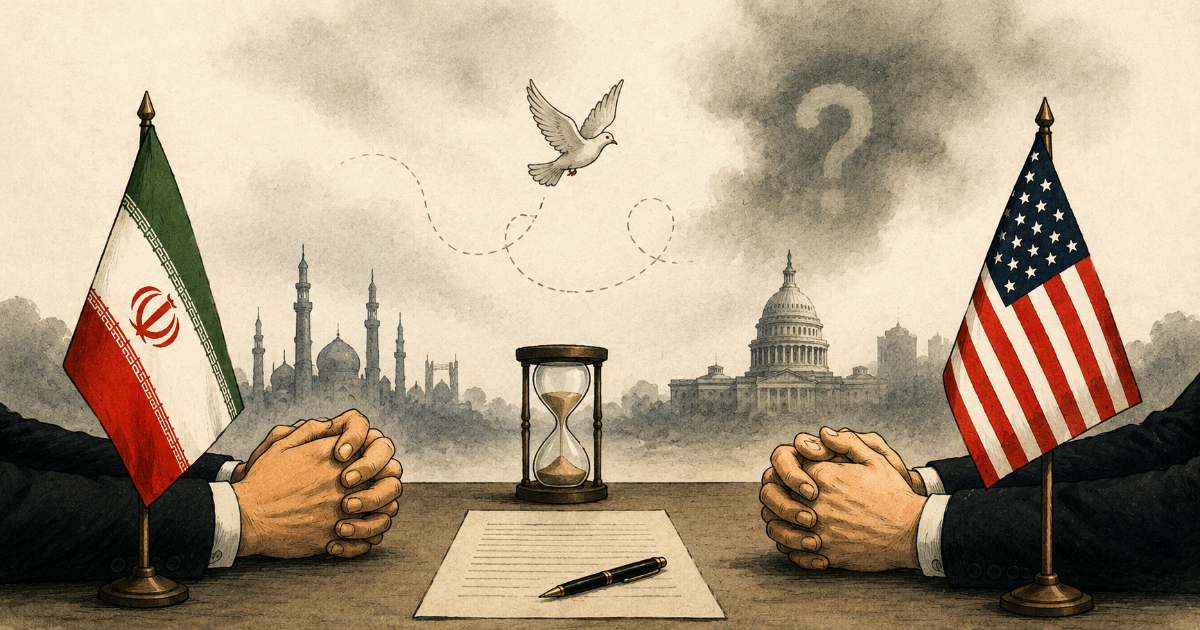
Iran dampened the expectations generated around an imminent peace agreement with the United States this Saturday, ruling out that the signing of the so-called Islamabad memorandum would occur on Sunday, as previously suggested by statements from the Prime Minister of Pakistan, Shehbaz Sharif, which were amplified by President Donald Trump himself.
The spokesperson for the Iranian Ministry of Foreign Affairs, Esmaeil Baghaei, was responsible for tempering optimism, according to live coverage this Saturday from El País regarding the conflict.
Baghaei noted that the possibility of the agreement being signed in the coming days could not be dismissed, but emphasized the need to act cautiously when setting a specific date.
The Iranian spokesperson also emphasized that the document "focuses on the end of the war, and for the time being it has been decided not to address the nuclear issue."
Hours earlier, Sharif had posted on the social media platform X a distinctly optimistic message: “We are closer than ever to a peace agreement. With the anticipated conclusion expected within the next 24 hours, Pakistan is preparing for the electronic signing of the peace agreement immediately afterward, followed by technical discussions next week.”
Trump shared a screenshot of that message on his Truth Social network, without adding any comment of his own, which was interpreted as a tacit endorsement of the Pakistani version.
The memorandum in question is a 14-point document that would initiate a 60-day negotiation phase regarding the Iranian nuclear program, the Strait of Hormuz, and other outstanding issues between both parties.
The Iranian Foreign Minister Abbas Araghchi also pointed out that the agreement could be signed "in the coming days" remotely or digitally, but did not commit to an exact date, and warned that formal nuclear negotiations would not begin until the interim memorandum was signed and implemented.
The conflict between the U.S., Israel, and Iran erupted on February 28 with a joint military operation that included attacks on Iranian nuclear and military facilities. In those initial bombings, the supreme leader Ali Khamenei was killed, and his funeral is scheduled for July 4 in Tehran.
Negotiations have faced multiple setbacks. On June 1, Iran suspended talks with the U.S. due to Israeli attacks in Lebanon that Tehran deemed a violation of the ceasefire.
Last Wednesday, Trump canceled new bombings planned against Iran and announced the existence of a "major high-level agreement," although Iran did not publicly confirm it and the U.S. naval blockade on the Persian country remained in effect.
This same Saturday, while the parties were discussing dates for the signing, the U.S. military reported that Iran launched new drone attacks against commercial vessels attempting to cross the Strait of Hormuz, and the Israeli military issued evacuation orders for 20 towns in southern Lebanon, resuming bombings after accusing Hezbollah of violating the ceasefire.
The gap between the positions of both parties remains considerable: in the first round of negotiations in Islamabad, held on April 12, the U.S. demanded the complete dismantlement of Iran's nuclear program and a 20-year moratorium, while Iran offered a five-year pause and claimed $270 billion in compensation.
Filed under: