
Related videos:
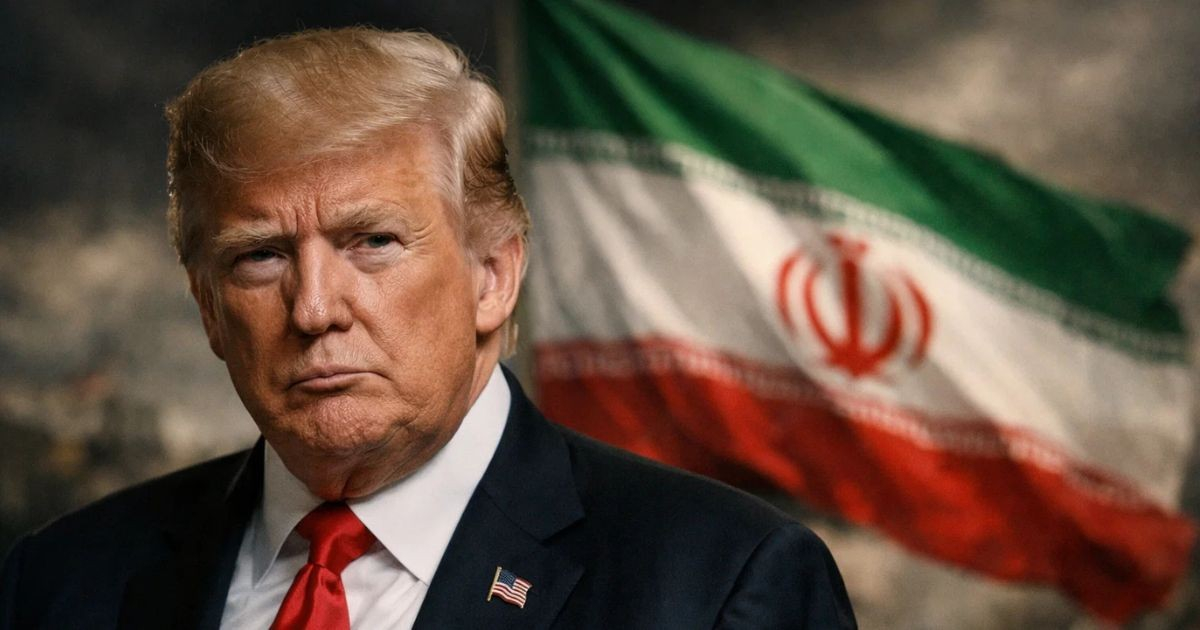
An Israeli bombing against the Hezbollah stronghold in the Dahiya neighborhood, in southern Beirut, jeopardized the peace agreement between United States and Iran that President Donald Trump had promised to sign that very day, coinciding with his 80th birthday.
Israel attacked what it described as a "command center" of Hezbollah in the Ghobeiri area with at least four laser-guided missiles, hitting an apartment building. According to the official Lebanese agency NNA, the bombing left at least three dead and 15 injured, as well as significant damage to nearby buildings and businesses.
The Iranian reaction was immediate and strong. Mohammad Baqer Qalibaf, head of the Iranian negotiating delegation and president of the Parliament, stated on social media that it was "useless" to continue the talks.
"The aggression of the Zionists against Dahieh once again demonstrated that the United States lacks the will to fulfill its commitments or lacks the capacity to do so," wrote Qalibaf.
"If you do not have the will or the ability to fulfill your commitments, then it is pointless to talk about continuing on this path," he added.
A senior Iranian military official also warned that the attack would not go "unanswered."
Trump, for his part, publicly criticized the Israeli action on his platform Truth Social, in an unusual turn towards his main ally in the region.
"The attack this morning in Beirut should not have happened, especially on such a special day, when we are so close to a peace agreement with Iran," wrote the leader.
While he acknowledged that "Israel has the right to defend itself against threats," Trump described the prior aggression that prompted the bombing as "minor and insignificant" and urged both sides not to waste the diplomatic opportunity.
"There should be no more attacks by Israel anywhere in Lebanon, but there should also be no more attacks by any other group, including Hezbollah, against Israel. This could be the beginning of a long and beautiful peace. Let's not ruin it!" he concluded.
Israel, for its part, rejected the Iranian accusations. The Israeli Defense Minister warned that any attempt to link the Lebanese front with Iran would receive "a response of great strength."
The agreement being negotiated faces four key roadblocks: the Iranian nuclear program, control of the Strait of Hormuz, the lifting of sanctions, and the inclusion of Lebanon in the pact. A leaked 14-point draft from the Iranian agency Mehr includes the right to uranium enrichment and the unblocking of $24 billion in Iranian funds frozen abroad.
Iran had already suspended negotiations on June 1 due to the Israeli attacks in Lebanon, and on June 11, it struck U.S. bases in a new escalation that further strained the diplomatic pathway.
This Sunday, a delegation from Qatar arrived in Tehran to advance the discussions, while the spokesperson for the Iranian Foreign Ministry, Esmail Baqai, had noted on Saturday that the agreement would not be signed that day, although he did not rule out that it could happen "in the coming days."
Israeli bombings in Lebanon have resulted in over 3,700 deaths since March, according to the Lebanese government, in a conflict that began on March 2 when Hezbollah launched rockets at Israel from Lebanese territory.
Filed under: