
Related videos:
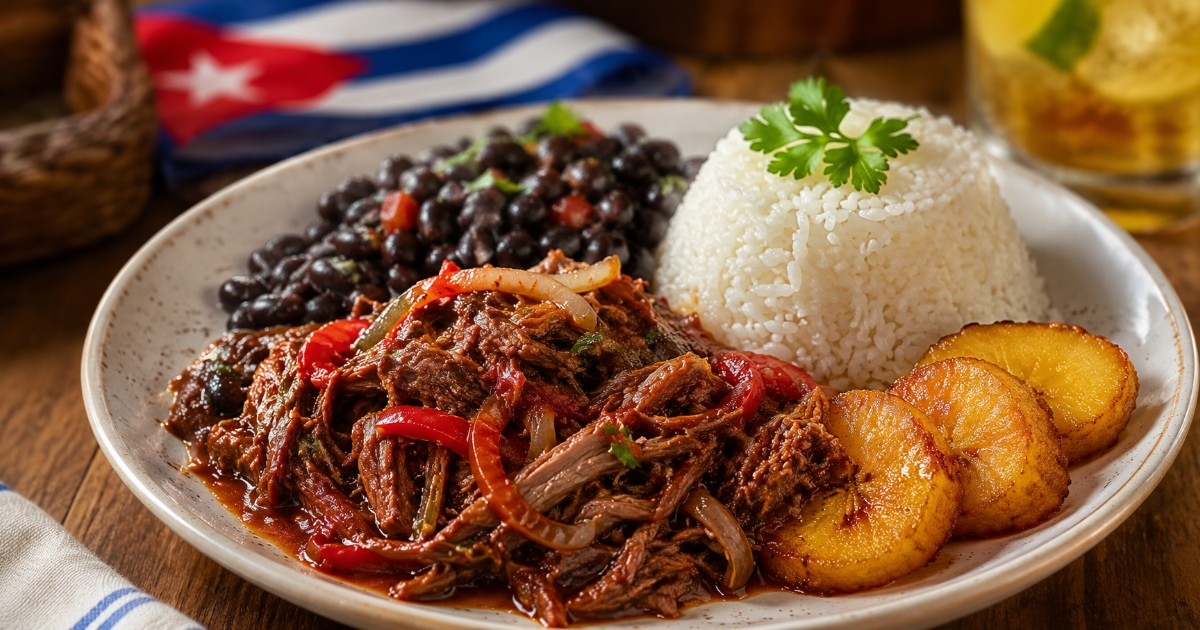
A Cuban family will inaugurate the restaurant Cubamar this Friday in Covas, Viveiro (Lugo, Galicia), featuring a Cuban-Galician fusion cuisine that reflects both the creativity of its promoters and the harsh reality they left behind on the island.
La Voz de Galicia reported that the business is driven by Beatriz Alonso, 25 years old, her partner Juan Manuel, and her mother-in-law Elvys Rosa, who explain their decision to emigrate with a phrase that summarizes the Cuban economic crisis.
"They said to the Spanish press, 'There, the salary is 3,500 pesos and a dozen eggs costs 4,000.'"
Cubamar will open its doors in the Parquemar building, just a few meters from another Cuban restaurant that is already operating in the same premises.
It is about Mesón Doña Inés, a venue that reopened in May, under the management of the Cuban Yoel Herrera Frometa, 39 years old.
Herrera Frometa also emigrated, driven by the same crisis on the island. "I never cared about the cold in Viveiro, I just wanted to work and send money to Cuba," he stated.
The presence of two Cuban restaurants in the same building makes Parquemar de Covas a small hub of Caribbean cuisine on the Lucense coast, reflecting the steady arrival of Cuban emigrants to coastal areas of Galicia.
The statement from the Cubamar family is not an exaggeration. The official average salary in Cuba is 6,930 pesos per month, equivalent to less than 10 dollars at the informal exchange rate.
An egg costs around 100 Cuban pesos, which means that a carton of 30 units exceeds 3,000 pesos, more than what many workers earn in a month.
This situation has driven a massive emigration, and Spain is one of the primary host countries, especially since many Cubans hold dual nationality. Between 2023 and 2024, more than 53,100 Cubans arrived in the country, according to the National Statistics Institute.
Galicia has a special historical connection with Cuba, stemming from Galician emigration to the island during the 19th and 20th centuries.
Many current Cubans have Galician ancestry, which makes it easier for them to access Spanish nationality and support networks in the autonomous community, turning the region into a common destination for those fleeing the crisis.
The hospitality sector has become one of the main avenues for economic integration for Cubans in Galicia. In this recent wave of migration, the first Cuban restaurant in Santiago de Compostela opened in July 2019, and since then, the presence of Cuban cuisine businesses in the autonomous community has continued to grow.
Filed under: