
Related videos:
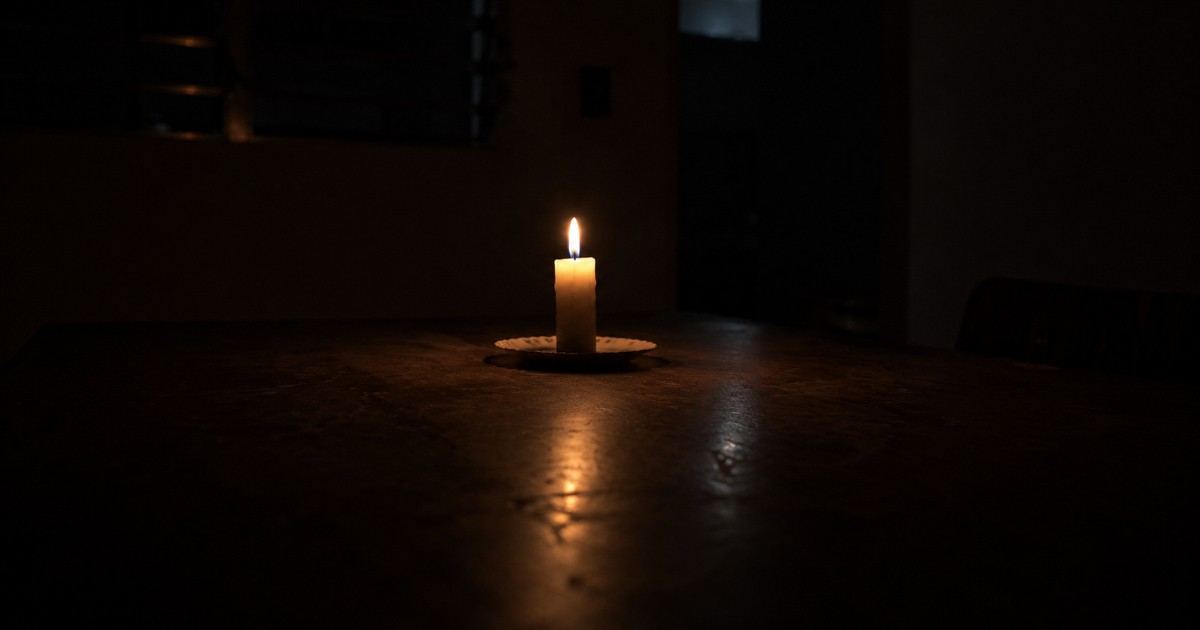
Ilsa Ramos, wife of the political prisoner Yasmany González Valdés, posted on Facebook this Wednesday a heartbreaking message denouncing that her 16-year-old son with autism has been without electricity for over 24 hours, exposed to the heat and mosquito bites.
"This is the heartbreaking image of my 16-year-old baby who suffers from autism. More than 24 hours without electricity. The EcoFlow sent by my cousin and the rechargeable fans sent by Orquídea have turned off. He got bitten by mosquitoes. Our children do not deserve to live like this. Down with the cruel Castro-Canel dictatorship. Freedom for my husband Yasmany and all political prisoners," wrote Ramos.
The case of Ramos illustrates a double tragedy: that of a family torn apart by political repression and that of the devastating electrical crisis impacting Cuba, with blackouts in Havana lasting between 20 and 22 hours daily, and in some provinces reaching 72 consecutive hours.
This Wednesday, according to data from the Electric Union, the system's availability was only 970 MW compared to a demand of 2,525 MW, with more than 1,555 MW affected. The shutdown of the Guiteras thermoelectric plant on June 15 further aggravated the already critical energy deficit.
The situation hits especially hard on families with vulnerable members who rely on fans and refrigeration equipment. The case of Ramos is not unique: the activist Ernesto Almaguer Díaz, from Holguín, who is also the father of an autistic child, experienced 45 hours without electricity in June and managed to raise over 2,125 dollars and 1.5 million Cuban pesos thanks to the solidarity of the diaspora to purchase a portable battery.
González Valdés, a rapper and activist, enjoyed his first prison leave in three years on May 4, 2026, but the regime and returned him to Combinado del Este as punishment for posting photos of his physical deterioration on social media.
The Cultural Rights Observatory described that decision as "a direct punishment for publicly expressing oneself about the inhumane prison conditions" and noted that "the Cuban penitentiary system uses conditional benefits not as tools for reintegration, but as mechanisms for obedience and silencing."
The health condition of the activist is alarming. In September 2025, Ramos described him as follows: “He looked like a skeleton, with a sunken face, very thin arms, his pants falling down due to extreme thinness, and missing dental pieces”.
Ramos has been facing harassment from State Security for years. In February 2024, she protested on the Malecón in Havana alongside her autistic son, and since her husband’s arrest, she has not stopped demanding his release: “My husband is unjustly imprisoned, and I will not tire of saying it,” she declared at the time.
Filed under: