
Related videos:
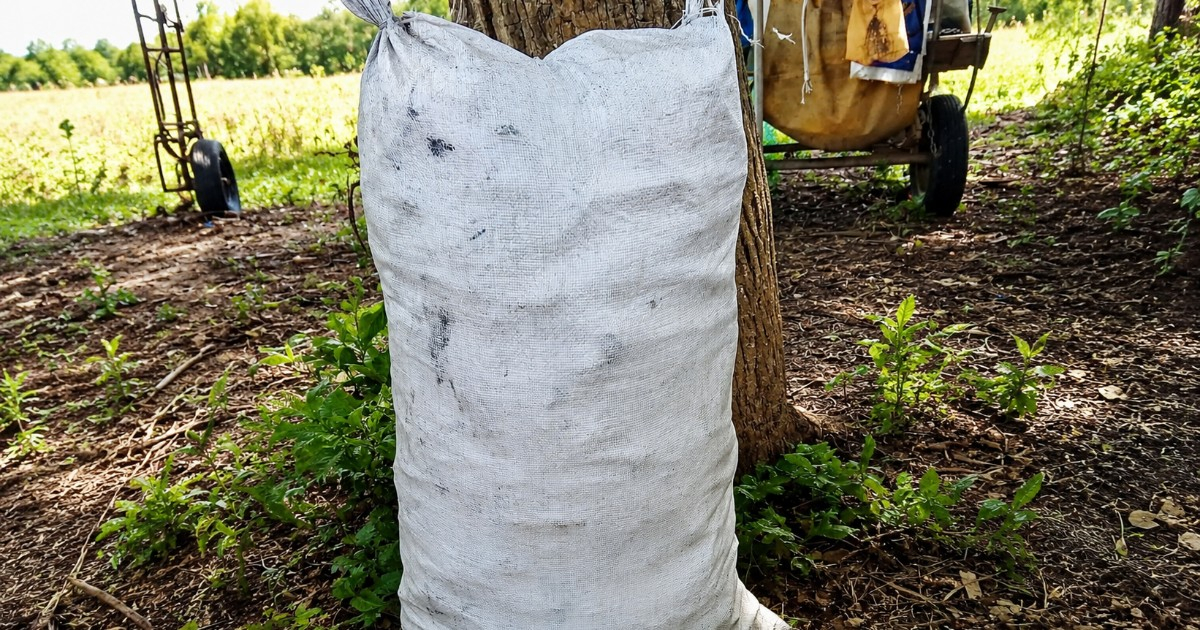
Cuban activist Yamilka Lafita, known on social media as Lara Crofs, got up early this Saturday to accompany a friend to buy marabou charcoal at the sales point known as Barreras, and encountered a price that encapsulates the crisis crushing millions of families on the island.
"The sack of coal rose to 3200 CUP. The increase was so significant that only half of what was needed could be purchased," he said on Facebook, and triggered an avalanche of comments from Cubans across different provinces.
In the debate, it was noted that 3,200 pesos is even the lowest price for coal in Cuba at this moment. Reports from Santa Clara indicated bags priced at 5,000 pesos.
In Holguín, it is 3,500. In other provinces, it ranges from 4,000 to 4,500. In Santiago de Cuba, a bag is equivalent to five cans sold for between 800 and 1,000 pesos each, which also amounts to 5,000 pesos.
"I bought a bag yesterday for 4,500, that's cheap," wrote a commenter with irony.
The rise in coal prices is dramatic when looking at the recent trend. In December 2024, the bag was sold in the informal market for between 900 and 1,400 pesos; by March 2025, it had already reached 3,000 pesos in some urban areas. In just six months of 2026, the price has more than doubled in various parts of the country.
The blow is particularly harsh because marabou charcoal has become the de facto cooking fuel for millions of Cubans amid the energy crisis and gas shortages.
"In my house, we use a sack of firewood every week for cooking, and the poor quality wood doesn't last long; finding marabou charcoal is a luxury," wrote one commenter. Another noted that gathering sticks and cooking with firewood is starting to seem more economical.
The contrast with the salary reality is striking. The official average salary in Cuba is around 6,930 pesos per month, according to data from the National Office of Statistics and Information (ONEI).
A single bag of coal can account for almost half of that monthly income, and in cities like Santa Clara or Santiago, where a bag costs 5,000 pesos, it completely surpasses it.
This happens while Cuba exports charcoal from marabú worth tens of millions of dollars each year —$61.8 million in 2023—, making it the ninth largest exporter of the product in the world.
At the same time, in Guáimaro, Camagüey, authorities are fining those who attempt to produce artisanal charcoal, exacerbating the internal shortage.
This week, Díaz-Canel acknowledged that the price ceilings failed and led to more scarcity, announcing the abandonment of that policy.
The author of the publication was straightforward in identifying those responsible. "The problem is not coal, nor the dollar, nor chicken. The real problem has a name and a surname: the Cuban dictatorship and those who govern it. They are the only ones responsible for a crisis that turns every day into a battle for survival."
Filed under: