
Related videos:
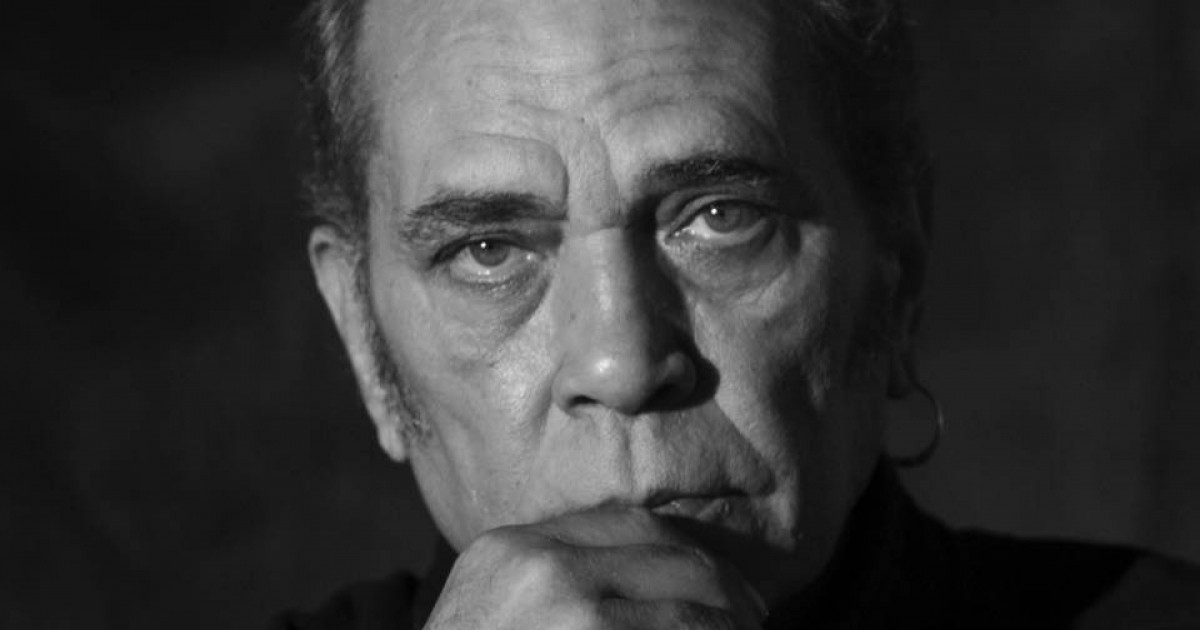
The Cuban actor Luis Alberto García published a lengthy text on his Facebook profile this Sunday, demanding that no official from the Communist Party of Cuba, state representative, deputy, or military chief—active or retired—should be allowed to become a businessman or shareholder (beyond what they already are) under the newly approved economic reforms by the regime, unless their assets are audited by an independent body from the government and the Party.
The statement comes days after Prime Minister Manuel Marrero Cruz presented apackage of 176 economic measures to the National Assembly, which includes the authorization of private banking, the transformation of state-owned enterprises into joint-stock companies, and a greater openness to foreign investment, in what analysts describe as the most significant economic shift of the regime in decades.
In his post on Facebook, García was unequivocal: "No official or former official of the PCC, no representative of the State, no Deputy, no active or retired military officer, nor their relatives, whether by close or distant blood relation, nor their partners, ex-partners, stepchildren, godchildren, or their closest friends from childhood, primary school, secondary school, pre-university, and university should be the head of a business, investor, or shareholder in the upcoming empires."
The actor warned that the danger is not limited to those who have accumulated wealth, but also to those who have gained influence and control over markets after decades in power, which should likewise disqualify them from engaging in nepotism.
To illustrate the risk, García drew a parallel with the fall of the communist bloc in Europe: "Already in the countries of the former communist bloc in Eastern Europe, following their dramatic collapse, we witnessed the magical and rapid transformation of high-ranking party officials and military leaders into wealthy businessmen with money that did not come from their previous salaries."
He noted that this process already has visible precedents in Cuba: "In our beloved reefs, we have long been witnesses to the economic flourishing of entrepreneurs from the upper classes of the political/ideological/military framework."
That scenario has a concrete reference on the Island: GAESA (Business Administration Group S.A.), the conglomerate controlled by the Armed Forces that concentrates between 40% and 70% of the Cuban economy, with more than 18 billion dollars in assets and an opaque structure with companies registered in Panama, Cyprus, and Liberia.
García clarified that his criticism is not directed at the reforms themselves: "I state this in writing: it is not the measures that discomfort me. Not at all. I have advocated for many of them since the last century. It is the people behind them, riding along in this reformist bus, interpreting the roles of dismantlers of the prohibitions that they themselves set up and burdened us with."
The actor also questioned the credibility of the officials who for years labeled exiles as "worms" and are now embracing reformist discourse: "It doesn't look good or credible to change one's stance so quickly. In my opinion, that's just a weather vane without its own principles or waiting to get splashed by the 'neo-sharks'."
On the contradiction of the official discourse, García summed up his skepticism in one sentence: "I smell a lot of perestroika but very little glasnost."
The actor also called for a truly independent press free from the ideological apparatus, urged the deputies to use their meeting to demand the release of political prisoners who simply expressed their disagreement with the regime, and questioned why the children of the leadership are "scattered around the world in universities, master's programs, self-improvement courses, ghost companies, or just traveling for pleasure" while the government invokes a homeland in danger.
This is not the first time García has raised his voice in recent weeks: on June 16, he had already publicly demanded that the leaders experience the same hardships as the people, including hunger, blackouts, and shortages of medicine.
The text concludes with an irony that summarizes the everyday reality of millions of Cubans: "I will be able to read messages from friends and enemies 'when they turn the lights on, my dear.'"
Filed under: