
Related videos:
The Immigration and Customs Enforcement (ICE) is dismantling the ambitious project to convert commercial warehouses into mega detention centers for immigrants, according to reported by the AP agency, putting an end to one of the key components of the immigration strategy led by then Secretary of Homeland Security Kristi Noem.
The federal government spent a total of $1.074 billion on the purchase of 11 warehouses located in various cities across the country, intending to accommodate up to 10,000 people in one location, as part of a $38 billion plan to expand detention capacity.
On Monday, the government informed a judge that the warehouse in Romulus, Michigan —spanning 249,000 square feet and acquired for $34.7 million— will be sold, following a lawsuit filed by the state of Michigan and a suburb of Detroit.
In Social Circle, Georgia, Republican Congressman Mike Collins informed the city that the Department of Homeland Security (DHS) will no longer pursue a detention center in that locality.
In Socorro, Texas, a suburb of El Paso, the acting director of ICE, David Venturella, informed local officials that the three warehouses purchased for $122 million will not be used to detain up to 8,500 immigrants as originally planned. Instead, they will be transformed into an ICE campus with offices, training space, and a smaller number of detainees.
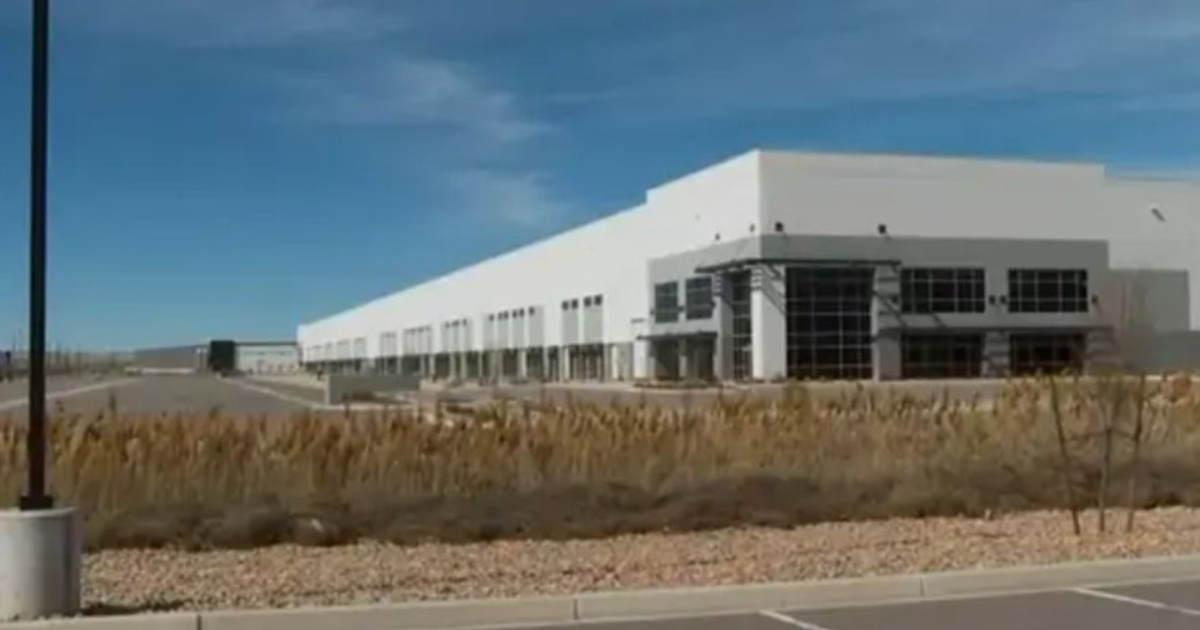
According to internal documents obtained by The New York Times, immigration authorities plan to dispose of seven out of the 11 properties, including the warehouse in Salt Lake City, the most expensive of all with a purchase price of $145.4 million.
The plan faced bipartisan opposition from the start: seven federal lawsuits were filed, states blocked permits due to insufficient infrastructure, and the purchases—made in secret without consulting the communities—sparked outrage in both Democratic and Republican municipalities.
The irregularities in the prices paid also triggered an internal audit: DHS disbursed double the assessed value for the New Jersey warehouse and almost five times the appraised value for the one in Social Circle.
The lack of basic infrastructure was another significant obstacle. In Salt Lake City, ICE even proposed transporting water and wastewater by truck as a "temporary solution" in the absence of proper networks.
Claire Trickler-McNulty, a former ICE official under the Obama, Trump, and Biden administrations, described the plan as "absolutely reckless" and warned that large-scale facilities are operationally unviable: "Facilities with more than 2,000 people simply fall apart. It's very difficult to manage such a large facility, keep it staffed, and make everything work."
Noem was dismissed in March 2026. Her successor, Markwayne Mullin, immediately paused the purchase of new warehouses upon assuming office and acknowledged in his confirmation hearing that most municipalities lack the capacity in their water and sanitation networks to accommodate thousands of people.
The DHS did not confirm the reports regarding the sale of the properties, but stated that it is "moving quickly to utilize the existing detention space with our state and county partners."
Not all projects have been canceled: in Maryland, where a judge blocked the construction due to a lack of environmental assessment, ICE continues to gather public comments and has released details of the project, which includes six secure recreation yards. Patrick Dattilio, founder of the opposing group Hagerstown Rapid Response, remains adamant: "It's a big warehouse. It's not meant for people."
Filed under: