
Related videos:
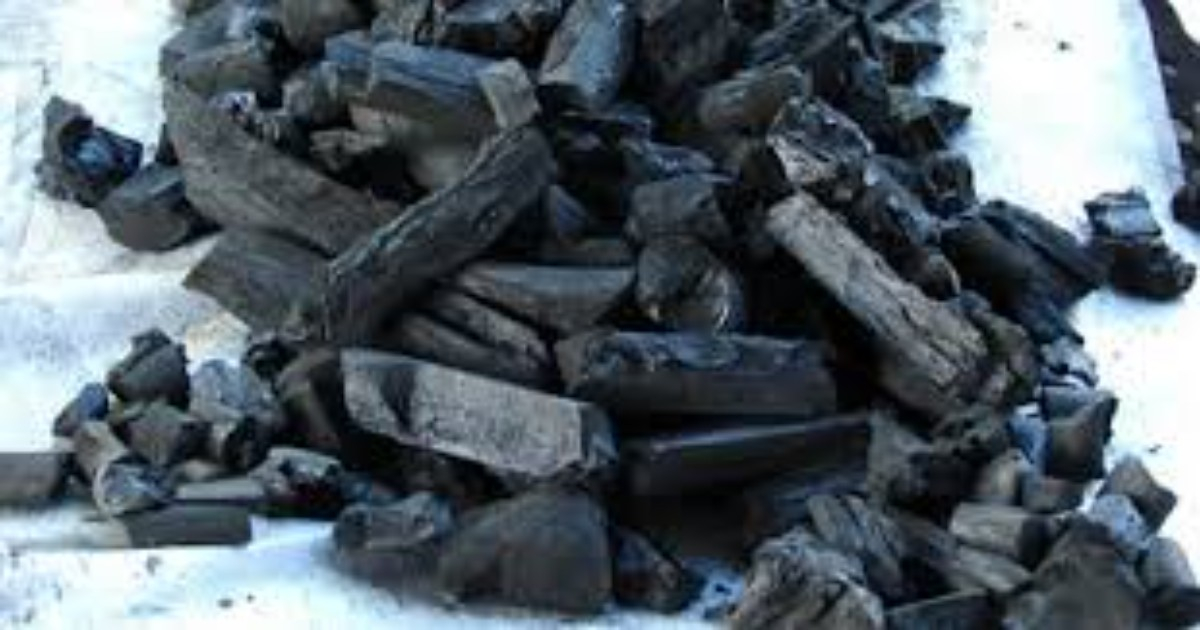
In the neighborhoods of Santiago de Cuba, amid multi-family buildings and dilapidated houses, the unmistakable earth cones of artisanal charcoal kilns have begun to appear.
According to a study by Diario de Cuba, urban charcoal production has become a desperate response from the population in the face of the near-total disappearance of liquefied gas, kerosene, and electricity as cooking fuels.
Eduardo, a 25-year-old from Distrito José Martí, in the northeast of the city, is one of those who has taken that step.
He is finishing constructing his first oven between the remnants of two granite benches, making use of the dry wood that Hurricane Melissa —a category 3 storm that made landfall on October 29, 2025— left scattered across the streets, which no one picked up.
"So far, no one has come by here, no inspector," says Eduardo.
"I don't know anything about regulations for building ovens or cutting down trees. I don't understand how they are going to fine me when the Government is unable to sell any fuel for cooking. I'm simply applying the creative resistance that Díaz-Canel advocates."
The irony of the quote is striking: President Miguel Díaz-Canel himself promoted cooking with charcoal and firewood for months as an example of "creative resistance," but on June 18th, he admitted at the Extraordinary Plenary of the Central Committee that this slogan "is no longer enough."
The immediate trigger is the energy crisis. Power outages in Santiago reach up to 20 hours a day, and the Electric Company has reorganized the supply into nine blocks, leaving each area with just one or two hours of electricity per day. In this context, coal has become the only reliable fuel for millions of Cubans.
«Coal is the only reliable fuel we have today in Cuba, with 20 hours of blackouts and, not knowing when the power will return or how long it will last, one cannot rely on electricity,» states Eduardo, as reported by Diario de Cuba.
The price of the product reflects that unchecked demand. The can of charcoal, which cost 200 pesos not long ago, is now sold for 800 pesos in Santiago, raising the cost of a sack of five cans to 4,000 Cuban pesos, nearly double the monthly minimum wage.
Eduardo plans to produce between eight and ten bags, reserving half for his home and selling the rest to neighbors who have already reserved their share.
"I already have clients; the people from the neighborhood are reserving their bags or have come to an agreement to buy one bag together," he explains to the independent Cuban media.
The underlying paradox in all of this is significant. Cuba is one of the world's largest exporters of charcoal, with sales of 61.8 million dollars in 2023.
In the first quarter of 2026, a company from Camagüey exported over 150 tons to Europe while the population had no fuel for cooking.
Once Eduardo finishes setting up the furnace, he will face four to five days of continuous monitoring to prevent any openings. Pray that it doesn't rain: humidity would ruin the process entirely. This is the price of survival in a city that, five months after Hurricane Melissa, had only rehabilitated 17% of the more than 106,500 damaged homes.
Filed under: