
Related videos:
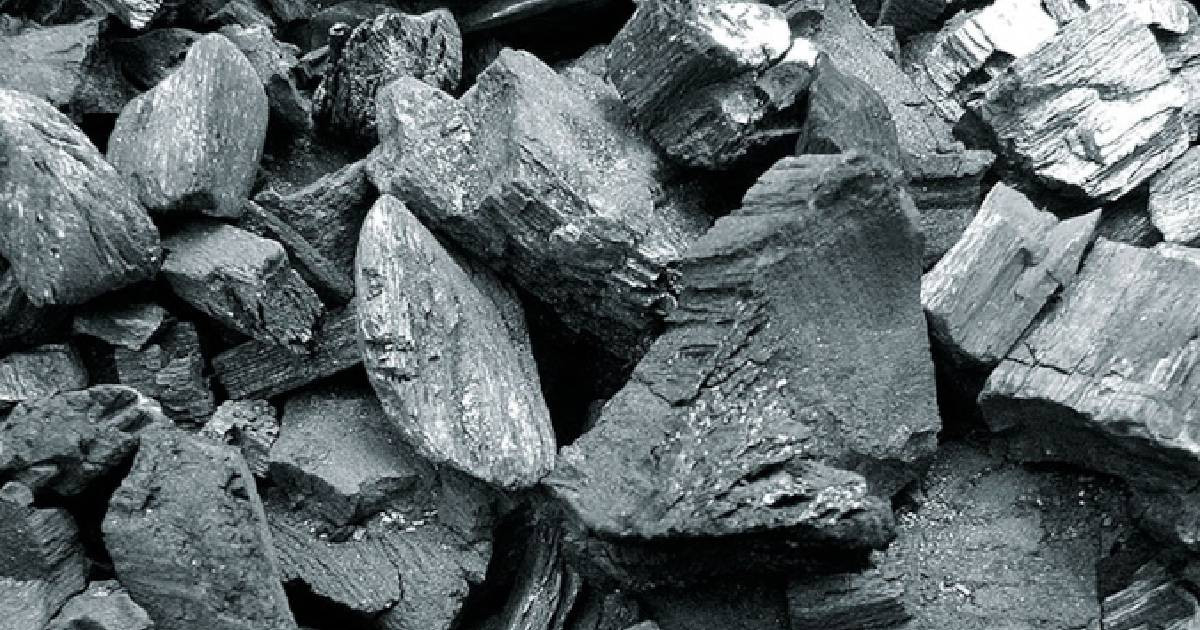
The government of the municipality of Camagüey announced on Friday a controlled distribution strategy for charcoal to curb speculation, setting the official price at 70 pesos per kilogram, in addition to channeling sales through the defense zones, confirmed the official newspaper Adelante.
The municipal mayor Lázaro Echeverría Rodríguez appeared before the press to explain that starting from Saturday, June 20, the distribution would begin, offering a 20-kilogram bag for 1,400 pesos, compared to the 3,500 to 4,000 pesos that the same product reached in the informal market.
"Speculative prices are what we must not allow," declared the official, who attributed the rise to the increase in production costs, particularly the fuel that producers use to cut and transport coal.
The initial plan includes 1,700 bags: 1,200 from other municipalities and 500 from local production, a quantity that the mayor himself acknowledged as insufficient given the actual demand.
The distribution will not take place in traditional retail outlets, but rather through defense zones, with direct sales from the producer to the consumer without intermediaries.
"The producer is not going to sell the coal to a third party for them to take a percentage. The idea is to bring the coal to where it is most needed: areas with long power outages, communities without water, neighborhoods where people have no means to cook," emphasized Echeverría.
Before the coal reaches the rest of the population, priority will be given to the eight vulnerable profiles defined by the Labor Directorate.
The government also insists that sales be made by the can and not by the sack, so that the product reaches more families.
In response to sellers who refuse to lower their prices, the official strategy is not confiscation but forced sale at the official price. "We have not withdrawn or confiscated any bags of coal from the people who are currently trading in our city. Anyone who produces and sells can continue, but at a fair price," stated the mayor.
The municipality has 43 base entities —33 cooperatives and 10 Base Business Units— involved in production, although part of the local coal must be allocated for social consumption: 24 Family Care Systems, 23 children's circles, semi-boarding schools, and three homes for children without parental care.
The coal crisis is framed within the energy collapse that Cuba is experiencing, where blackouts last between 22 and 42 continuous hours in several provinces and liquefied gas is practically inaccessible, making marabou coal the de facto cooking fuel for millions of families.
The price of a sack of coal has skyrocketed from 900-1,400 pesos in December 2024 to between 3,200 and 5,000 pesos in June, depending on the region, in a country where the official average salary is around 6,930 pesos per month.
The paradox that worsens the situation is that Cuba exports that same charcoal to Europe. An economic association in Camagüey exported more than 150 tons to the European continent just in the first quarter of 2026, with an annual goal of 4,000 tons.
In Guáimaro, another municipality in the same province, authorities went on to fine those attempting to produce artisanal charcoal from marabú to address the local shortage, while the State did not ensure the supply.
Echeverría himself acknowledged that this is just a first step, as current local production is insufficient and speculation cannot be curbed with good intentions alone, but requires sustained actions over time.
Filed under: