
Related videos:
The Foreign Interference Restriction and Enforcement Act (FIRE) came into effect this Wednesday in Florida, introducing new restrictions for businesses and officials with ties to Cuba and six other countries deemed hostile by the state: Venezuela, China, Russia, Iran, North Korea, and Syria.
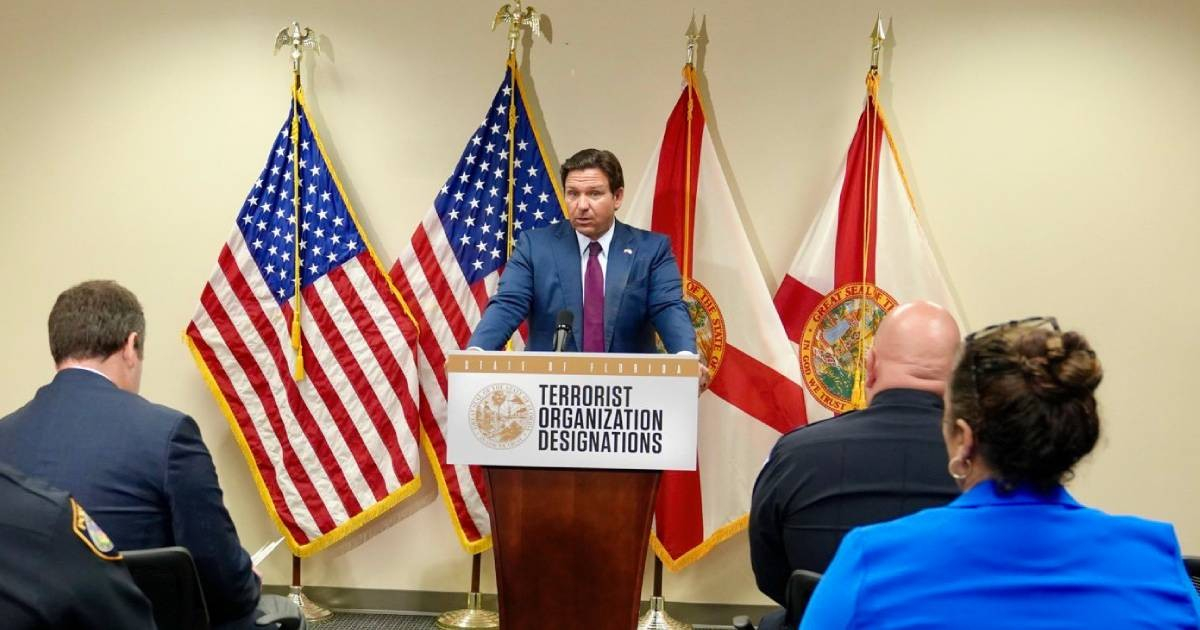
The law, signed by Governor Ron DeSantis on May 9 at the Museum and Library of the Bay of Pigs in Little Havana, Miami, tightens the consequences for Florida companies that engage in commercial relations with those countries outside of U.S. federal law.
One of its main provisions authorizes local governments to suspend or revoke the business licenses of companies established in Florida that engage in business with Cuba in violation of federal laws, reports the agency Efe.
In addition, it categorizes the submission of false declarations related to prohibited commercial activities or illegal connections with any of the countries included in the regulations as a third-degree felony.
The law also prohibits public officials, government employees, lawyers of local administrations, and candidates for public office from accepting gifts, benefits, or compensation from those foreign governments. It also establishes criminal penalties for those who act in their favor.
Another provision restricts surrogacy agreements and adoption processes when any party is a citizen or resident of any of those seven countries.
"This legislation combats hostile foreign influence in Florida by establishing new restrictions on agreements and partnerships involving countries of concern, such as Iran and Cuba, as well as sanctions for violations," DeSantis stated during the signing of the law.
The implementation of FIRE coincides with an intensification of political and economic pressure on the regime of Miguel Díaz-Canel from both Florida and Washington.
In June, Miami-Dade County revoked the tax license of Vanguard Energy, a company that planned to export 250,000 barrels of fuel to Cuba through CUPET. Meanwhile, municipalities like Miami and Hialeah are conducting investigations into hundreds of businesses suspected of having ties to the Cuban regime. The task force created by Hialeah has identified over 200 establishments under review.
In that context, the platform EnviosCuba.com announced two weeks ago the suspension of its operations, becoming one of the first companies impacted by the new regulatory environment.
State legislation also adds to the measures taken by the administration of President Donald Trump since the beginning of 2026. Among these are new sanctions against entities linked to the Cuban regime and restrictions aimed at complicating the fuel supply to the island, amid the profound energy crisis the country is experiencing.
FIRE also includes a clause titled "Support for a Free and Independent Cuba," which allows the governor to temporarily suspend some of the restrictions if the federal government modifies Cuba's diplomatic status. However, any extension of that suspension must be approved by the Florida Legislature.
During the promulgation ceremony, DeSantis summarized the spirit of the regulation with a phrase aimed at the Cuban regime: "You cannot do business with criminals."
Filed under: