
Related videos:
A journalist from the Cuban system, a doctor in sciences, publicly defended the role of Colonel Raúl Guillermo Rodríguez Castro, known as "El Cangrejo," in the contacts between Havana and Washington, with an argument that speaks volumes about the crisis the island is experiencing: if these conversations lead to electricity, then let them happen.
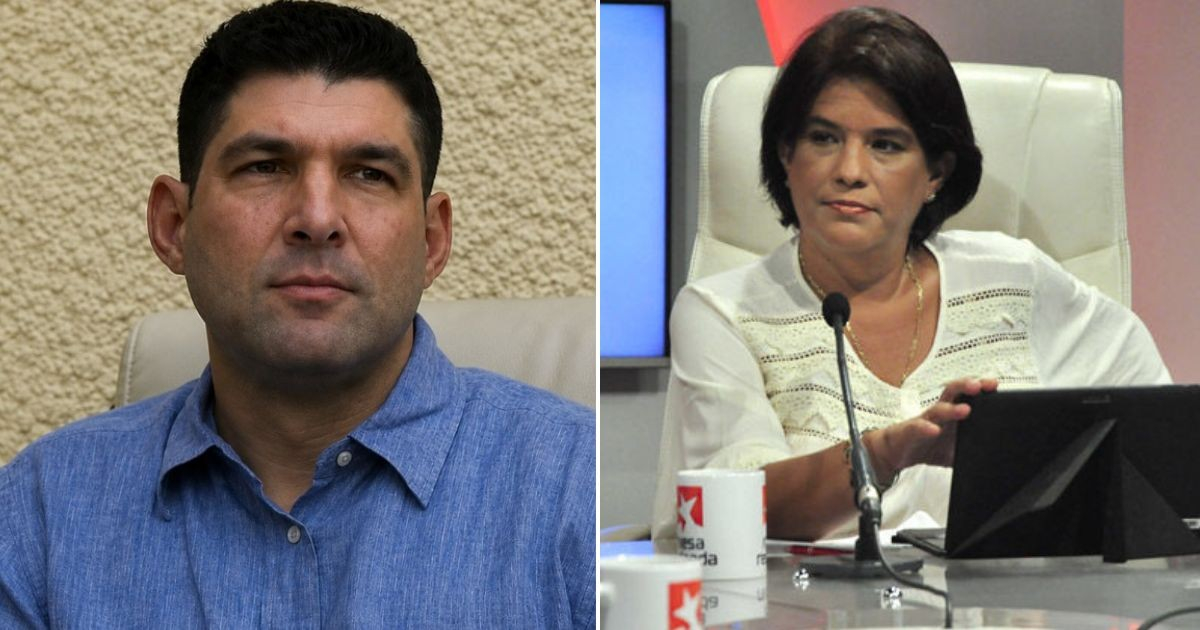
Ana Teresa Badia Valdés posted a lengthy text on her Facebook profile titled "The Colonel Does Have Someone to Write to," motivated by the interview that Rodríguez Castro gave to USA Today on July 6, 2026, where he offered to negotiate directly with Donald Trump.
The sentence that encapsulates the entire weight of the text is this: "If Raúl Guillermo can help me to have light, then let him participate in the dialogue," the professor said, echoing the comforting rhetoric now displayed by the regime's spokespeople.
Badia wrote it, as she confesses at the end of the article, under the worst possible conditions: "I write without light, with the same sorrow of my people in the face of economic suffocation, and almost without connection."
The detail is not insignificant. Cuba is experiencing one of its worst energy crises, and that a doctor of science, a state journalist, is writing without electricity, does it justify any negotiation that could change that?
The article also directly addresses the speculation about a possible presidency of Rodríguez Castro, and Badia dismisses it with a phrase that has a double meaning: "Raúl Guillermo did not choose the family into which he was born nor does his surname give him the right to be president, which I insist he never claimed," though he failed to add that he enjoys the privileges.
The surname Castro, inherited as the grandson of Raúl Castro and the son of Débora Castro Espín, is precisely what has fueled the speculation.
Badia implicitly acknowledges it: the surname is not an achievement, but it isn't a fault either. What he doesn't mention is that the same surname is what opened all the doors.
Without an official position in the government, "El Cangrejo"—a nickname derived from a deformity on one of his fingers—has emerged as the main informal operator between the regime's top echelons and Washington.
According to reports from Axios and Miami Herald, he met with Secretary of State Marco Rubio in Saint Kitts and Nevis during the CARICOM summit, and with State Department official Jeremy Lewin at the Havana Convention Palace in April 2026.
Badia acknowledges that the situation in the country has reached a breaking point: "The current situation in which Cubans live is unsustainable; it brushes against the limits of human endurance."
But it frames any negotiation within the context of the "economic and social transformations" announced by the Party, without ever questioning the regime's responsibility for that situation.
He also criticizes a detail from the interview with USA Today: "I didn't like some mentions of brands in the interview with USA TODAY; I didn't like it because most of this community has no access to any of that, and we are almost dying, or rather, we are almost dying." A hint of criticism.
That "we're almost dying" —in the first-person plural— is perhaps the most candid admission in the entire text: a journalist from the system who includes herself among those suffering from the crisis that the very same system has generated for decades.
Badia's article joins a line already established by Colonel Francisco Arias Fernández in Granma on April 18, 2026, when he defended the Cuba-U.S. contacts and blamed the Miami exile community for sabotaging any rapprochement.
Two doctors in Social Communication Science, both within the system, are laying the groundwork for a negotiation that the regime has yet to officially acknowledge.
Filed under: