
Related videos:
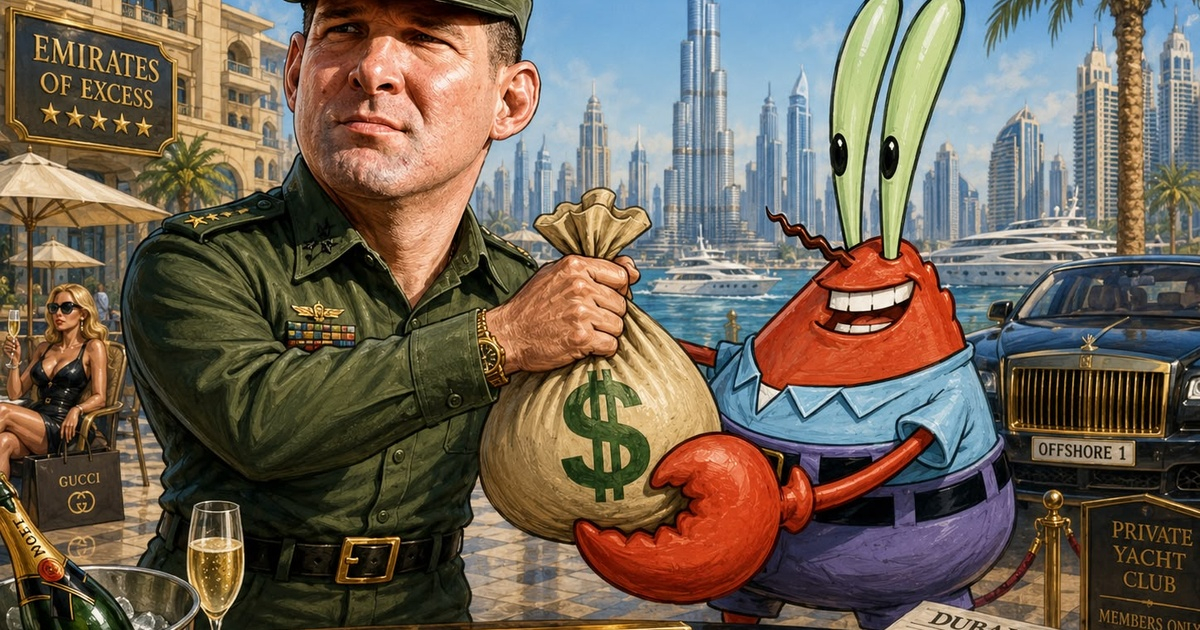
Until very recently, Raúl Guillermo Rodríguez Castro -El Cangrejo-, was known more for his inclinations toward a comfortable, bohemian, and luxurious lifestyle than for his statesman abilities. As the grandson of Raúl Castro and son of the privileged class that took control of Cuba in the name of the poor, he appeared on social media much closer to the "reparto" -a Cuban urban subgenre-, drinking, dancing, and the nightlife than to the real problems of a nation ruined by his family.
In some videos, he has been seen drunk, dancing, enjoying a life of privilege that stands in stark contrast to the hunger, blackouts, and despair of the Cuban people.
But suddenly, as if the Crustacean had been transported from the depths of the sea to the dark halls of Castro's power, The Crab appeared transformed into a "negotiator." It was no longer just the pampered heir of a family accustomed to living above the rest of the Cubans.
He is now presented as the heir of the Castro family and a potential interlocutor with the United States. All of this, of course, without any known official position, without a popular mandate, without elections, without legitimacy, and with no credentials other than his last name.
The phenomenon would be comedic if it weren't tragic. Cuba is sinking amid blackouts, hunger, destroyed hospitals, miserable wages, political repression, and prisons filled with prisoners of conscience. The population is increasingly protesting against the lack of freedom and bread. And in the midst of the crisis arrives the Crustacean, reeking of alcohol and scandals, presenting himself as a statesman concerned for his people.
The comparison with Don Cangrejo, Eugene H. Krabs, the famous character from SpongeBob SquarePants, is inevitable. That red crab, owner of the “Krusty Krab” restaurant, is obsessed with money. The tropical crab of the Castro dynasty seems to have shifted his obsession from a bohemian lifestyle to political ambition.
She is no longer satisfied with dancing to the rhythm of urban music; now she wants to dance over the fate of millions of Cubans, just as Fidel Castro did and her grandfather still does. She is not content with her life of luxury and seeks the throne and the continuation of Castroism. She dreams of becoming the Kim Jong-un of Cuba, the young face of an old and criminal family tyranny.
The rejection from the vast majority of Cubans is evident. We do not want any Castro in power. But what is most interesting is that the discontent is not only coming from the opposition and the oppressed people. Voices have also emerged from areas that are generally obedient to the regime.
Israel Rojas, from Buena Fe, a figure long associated with the cultural defense of the regime, reacted with an unusual critique. He spoke of a situation that was “indignant, unjust, and disgraceful,” making it clear that he would not lend his activism to justify such things. María del Carmen Hernández Carús, mother of Leticia Martínez Hernández, head of Communication at the Palace of the Revolution, was even more direct in asking if someone could “bring that boy down to earth” and tell him to be quiet. The photojournalist Kaloian Santos also pointed to the profound delegitimization caused by seeing a privileged heir occupy spaces that supposedly belong to institutions, officials, and the public.
Even the Cuban ambassador in Uruguay, Lissett Pérez, although she did not directly criticize the individual, attempted to reduce him to his role as a mere bodyguard of Raúl Castro. In other words, she did not present him as a statesman, negotiator, or political figure, but rather as the grandfather's bodyguard.
If those voices, generally docile, obedient, and sycophantic, are displaying criticism, what might the old generals be thinking? What will the colonels, the high-ranking officials, Manuel Marrero Cruz, Bruno Rodríguez Parrilla, Roberto Morales Ojeda, the ministers, and the bureaucrats of the Party feel? Above all, what might Miguel Díaz-Canel be feeling, that "president" who increasingly seems like a secondary actor reading a script written by others?
El Cangrejo exposes the institutional farce of Castroism. It reveals that behind the president, the Parliament, the Party, and the Chancellery, the family still holds power. But it also shows something else: that this family no longer instills the same reverential fear as before. The throne creaks, the court murmurs, the people protest, and even some palace musicians are out of tune.
Everything is aligning against the Castro-communist dynasty, and the Cuban people are increasingly realizing that the solution to such a grave tragedy does not lie in mere economic reforms or in a "enchanted crab," but rather in conquering freedom, democratizing Cuba, and consigning the Castro family and all those who have profited from enslaving the nation to the dustbin of history.
Filed under:
Opinion article: Las declaraciones y opiniones expresadas en este artículo son de exclusiva responsabilidad de su autor y no representan necesariamente el punto de vista de CiberCuba.