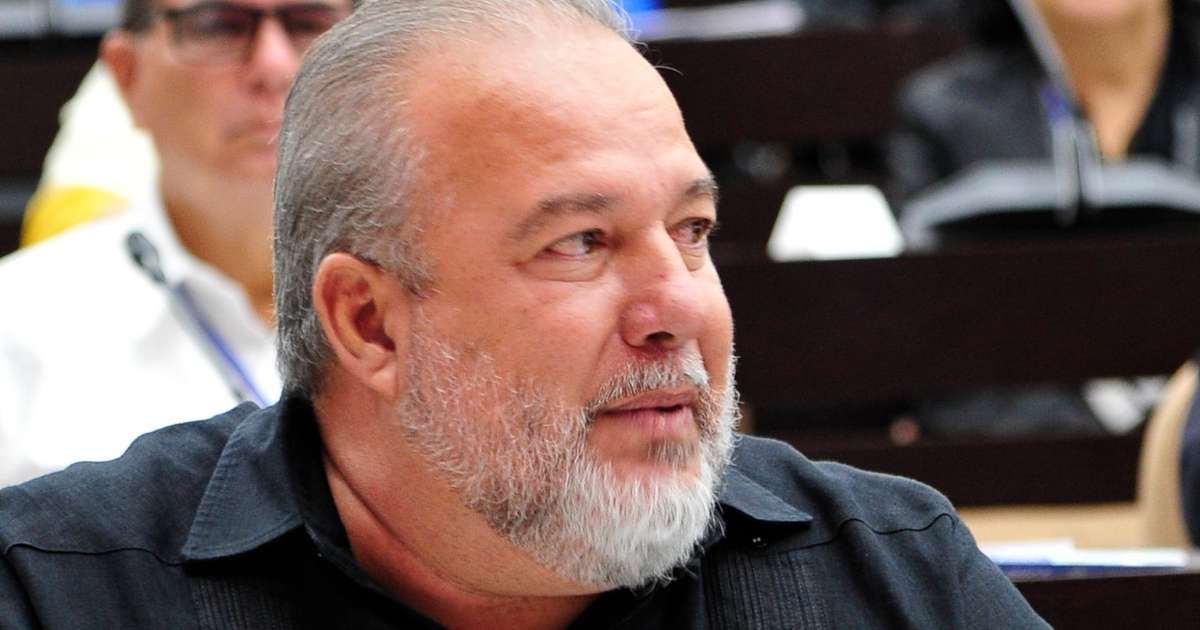
The Cuban Prime Minister Manuel Marrero Cruz posted a series of messages on his X account on Wednesday promoting repair works in Pinar del Río just days before July 26, and the response from the Cuban people was overwhelming: accusations of propaganda, lies, and cosmetic staging.
In his social media posts, Marrero highlighted the repair of the operating room at the Pepe Portilla Pediatric Hospital and more than a dozen rooms at the Abel Santamaría General Teaching Hospital, as well as announcing the opening of a new home for children without parental care and the maintenance of parks and plazas.
"Just a few days before the celebration of National Rebellion Day, Pinar del Río is committed to the repair of vital spaces," wrote the Prime Minister, using the hashtags #MyMoncadaIsTheFatherland and #PinarDelRíoOn26.
In a second message, Marrero stated that "in the midst of the country's complex situation, in Pinar del Río, there is a sense of renewal and eagerness to take action," a phrase that many Cubans received with indignation.
The backdrop of these repairs is the designation of Pinar del Río as the venue for the National Central Act on July 26, announced by the Political Bureau of the PCC on June 27.
This is the third time in history that the province hosts this event; the last one was in 2001.
The announcement sparked an avalanche of outrage on social media, with Cubans reporting that Pinar del Río is experiencing power outages of over 20 hours, food shortages, and a lack of medicines.
"Cuba is not celebrating; you are killing the country," wrote citizens on social media following the announcement of the venue.
The most common criticism points to the regime's recurring practice of concentrating resources and visible repairs in the provinces that were headquarters for the July 26th movement, while structural deterioration remains unaddressed for the rest of the year.
The contrast between Marrero's announcements and the country's healthcare reality is striking. The regime itself admitted on July 3rd during the Mesa Redonda that health indicators have fallen to alarming levels.
Infant mortality in Cuba has doubled, the survival rate of children with cancer has dropped by 20 points, and over 100,000 people are awaiting surgery.
Cuban hospitals are reporting critical shortages of syringes, gauze, anesthetics, and reagents, while power outages lasting up to 20 hours render medical equipment unusable in the same centers that the government claims have been repaired.
Pinar del Río is also one of the provinces most affected by the housing crisis: 40,000 families remain without homes following Hurricane Ian in 2022, and by April 2026, only 63% of the damages had been addressed.
Related videos:
Filed under: