
Related videos:
The Political Bureau of the Central Committee of the Communist Party of Cuba decided this Friday that Pinar del Río will be the host of the National Central Act for July 26th, in commemoration of the 73rd anniversary of the assaults on the Moncada and Carlos Manuel de Céspedes barracks. The announcement, published by the official Granma, comes as that same province experiences power outages exceeding 20 hours daily, with over 40,000 families without housing and bakeries that barely have flour for five days.
The regime described Pinar del Río as a "surplus" territory, with advancements in tobacco production, renewable energy, an infant mortality rate of 4.4 per thousand live births, and nine national sports titles. All this, according to the official statement, amid "the numerous limitations imposed by the suffocating policy of the United States government." The embargo, as always, bearing the blame for 67 years of dictatorship.
The Political Bureau also granted the title of "Outstanding" to Matanzas and Villa Clara, and a "Recognition" to Guantánamo and Sancti Spíritus. Five awarded provinces, five territories where the population is surviving without stable electricity, without transportation, and without medications. The regime refers to this as "facing the challenges of the current context."
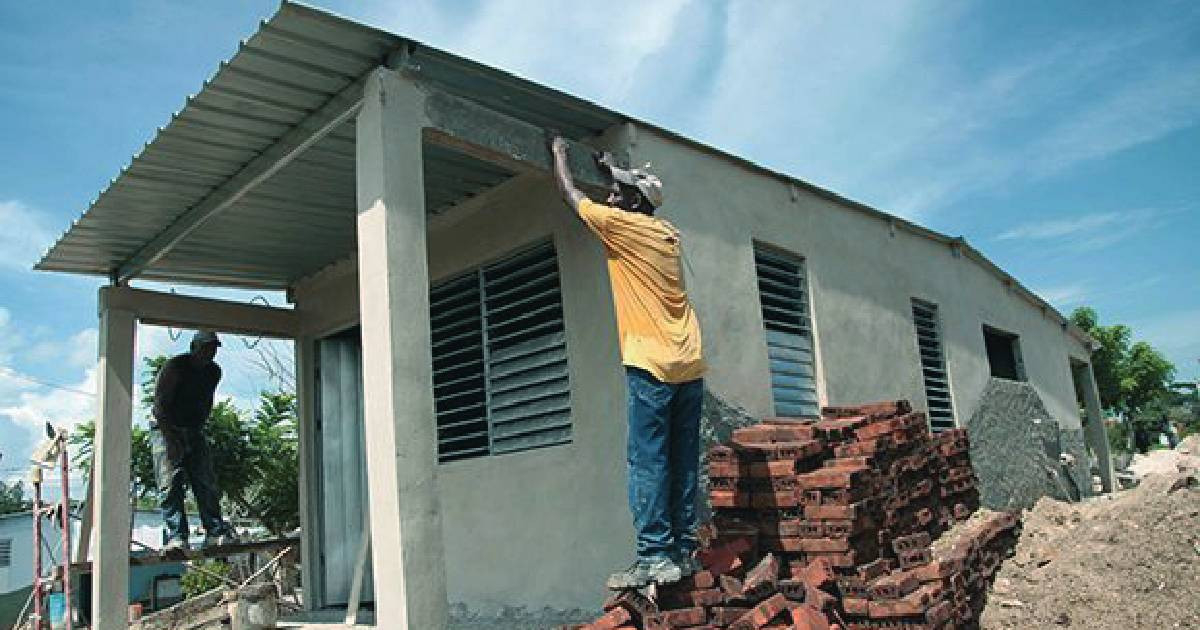
The reality of Pinar del Río that the Political Bureau prefers not to mention is quite different. The first secretary of the provincial PCC, Yamilé Ramos Cordero, admitted in June that “there are families that have been without housing for 30 years, generation after generation”. Of the more than 102,000 damages caused by Hurricane Ian in September 2022, only 63% have been resolved as of the end of April 2026, showing a mere 5% improvement compared to the previous year.
In terms of food, the situation is no less bleak. The director of the Basic Food Unit of Sandino reported that the bakeries of Manuel Lazo, Las Martinas, and La Grifa would only receive flour for five days, "which depends on a means of transportation and fuel for its delivery." Cuba needs about 20,000 tons of flour monthly to ensure only the regulated bread, and the mills are either paralyzed or operating at minimal capacity.
While the regime fine-tunes the details of the festive event, the people of Pinar del Río sleep without fans due to power outages. The case of a father who posted a photo of his daughter sleeping on the tiled floor in search of the coolness that electricity cannot provide has become a symbol of the crisis. "Is this humane? Is this communism?" the father wrote on Facebook. A netizen responded directly: "Do you know what homeland is? Homeland is your daughter, it’s mine, it’s everyone’s. Because of this and for them, down with everything."
The national context in which the announcement is made is one of systemic collapse. The Cuban economy has accumulated a contraction of over 15% since 2020, the dollar exceeds 600 pesos in the informal market, and more than one million Cubans have left the island since 2021. The electrical system has recorded a generation deficit exceeding 2,000 megawatts during peak hours and has experienced at least seven total collapses in the last 18 months.
The regime, far from acknowledging the collapse, calls for celebration. The statement from the Political Bureau concludes with an exhortation that accurately summarizes the chasm between the nomenclature and the people: "Let us make the celebrations for July 26, in the year of the centenary of the Commander-in-Chief, the greatest tribute to Fidel, Raúl, and the youth of that generation."
Meanwhile, President Miguel Díaz-Canel announced a package of 176 economic reforms that the public deems insufficient and overdue, and one internet user summed up the general sentiment: "These measures bring no good for us, they only aim to maintain power."
Filed under: